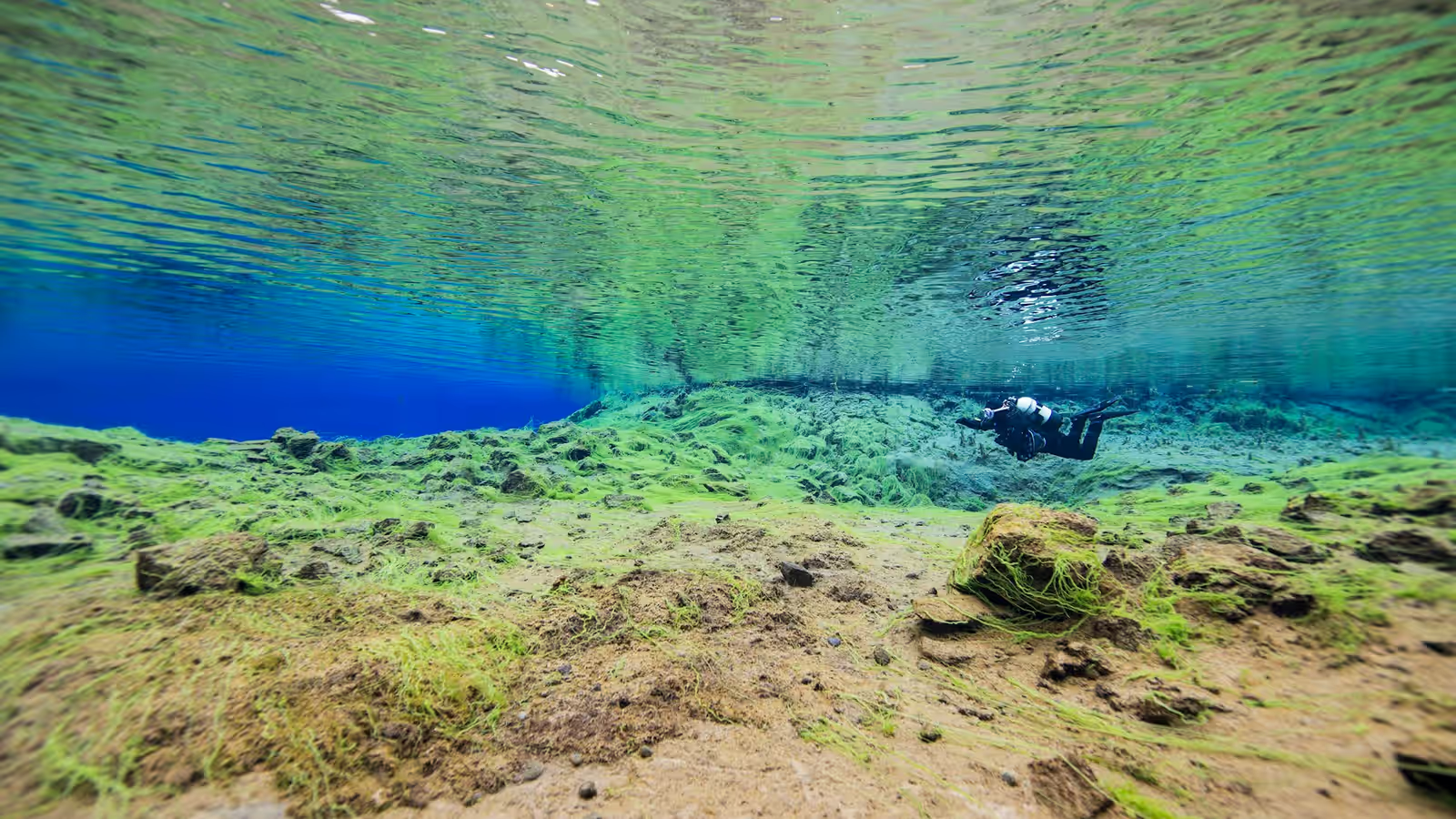
 Snorkelling
- Duration
- Flexible
- Kids
- Teen+
- Cost
- $$$$
- Permit
- Not needed
- Crowd
- Steady
Snorkelling in Þingvellir
Iceland
The only place on the planet where you can swim in the gap between two continental plates.
Skill · Beginner
Suðurland·Iceland
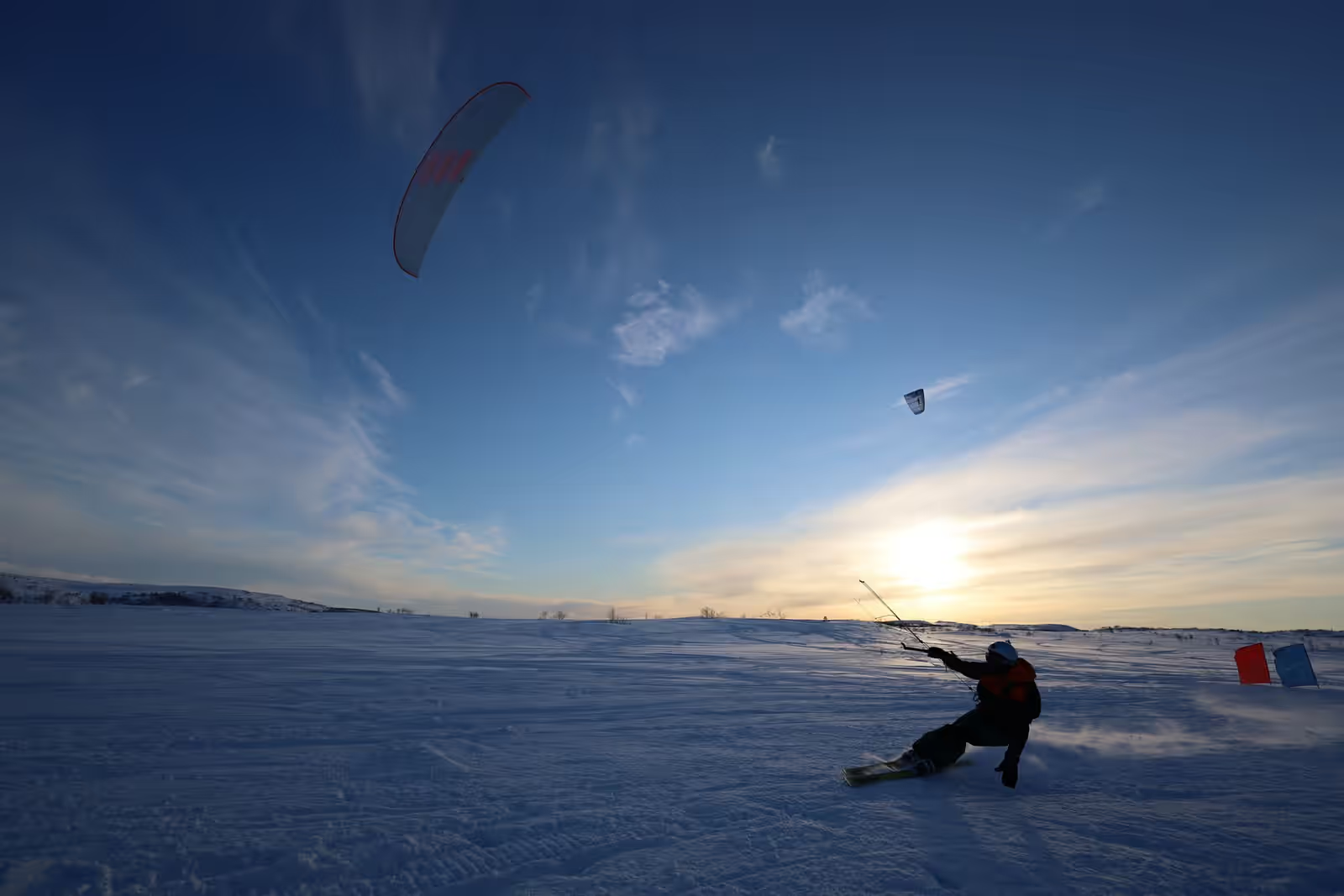
Photo: Serg Alesenko · Pexels
Snowkiting harnesses the wind through a large steerable kite to pull a skier or boarder across snow, and Iceland's second-largest ice cap, Langjökull, is one of the world's great arenas for it: a vast, flat, wind-scoured white dome with nothing to hit and nothing to stop you.
On a good day the kite does the work while you glide, and expedition riders can cover astonishing distances — 100 kilometres or more — crossing an entire ice cap in hours that would take days on foot.
It is fast, silent and exhilarating, a way of travelling the frozen interior that feels almost like sailing across land. The combination of reliable wind, huge open glacier and total emptiness makes the Icelandic highlands a bucket-list destination for the small tribe who chase this sport.
In season: Feb–Apr
Wind-powered travel across an open ice cap: you ride skis or a snowboard while a kite, flown on control lines, pulls and steers you over the snow.
It is physically demanding and technical — you must manage the kite's power in gusty, cold, exposed conditions and be a competent skier or boarder — and the environment is a serious high-latitude glacier with crevasse risk at the margins, brutal wind chill and fast-changing weather.
Distances can be huge when the wind is good, and nonexistent when it isn't, so trips are entirely weather-dependent. Falls, kite tangles and cold are constant companions.
For those with the skills it is euphoric, near-effortless gliding across a white infinity; for everyone else it is a steep and chilly learning curve.
The season is late winter to spring, roughly February to April, when there is reliable snow cover and wind on the ice cap.
This is an advanced pursuit — you need existing kite skills (or land/snowkiting instruction) and solid off-piste skiing or boarding — so beginners should take a course first, ideally with an operator who runs guided snowkiting on Langjökull and knows the glacier's hazards.
Go guided for expedition crossings: glacier travel here needs crevasse awareness, navigation and weather judgement. Bring or rent snowkiting-specific kites and cold-weather layers, and be ready for trips to hinge entirely on the wind. Never ride a glacier alone.
With the right skills and a good forecast, it is one of the most extraordinary ways to move across Iceland.
SnorkellingIceland
The only place on the planet where you can swim in the gap between two continental plates.
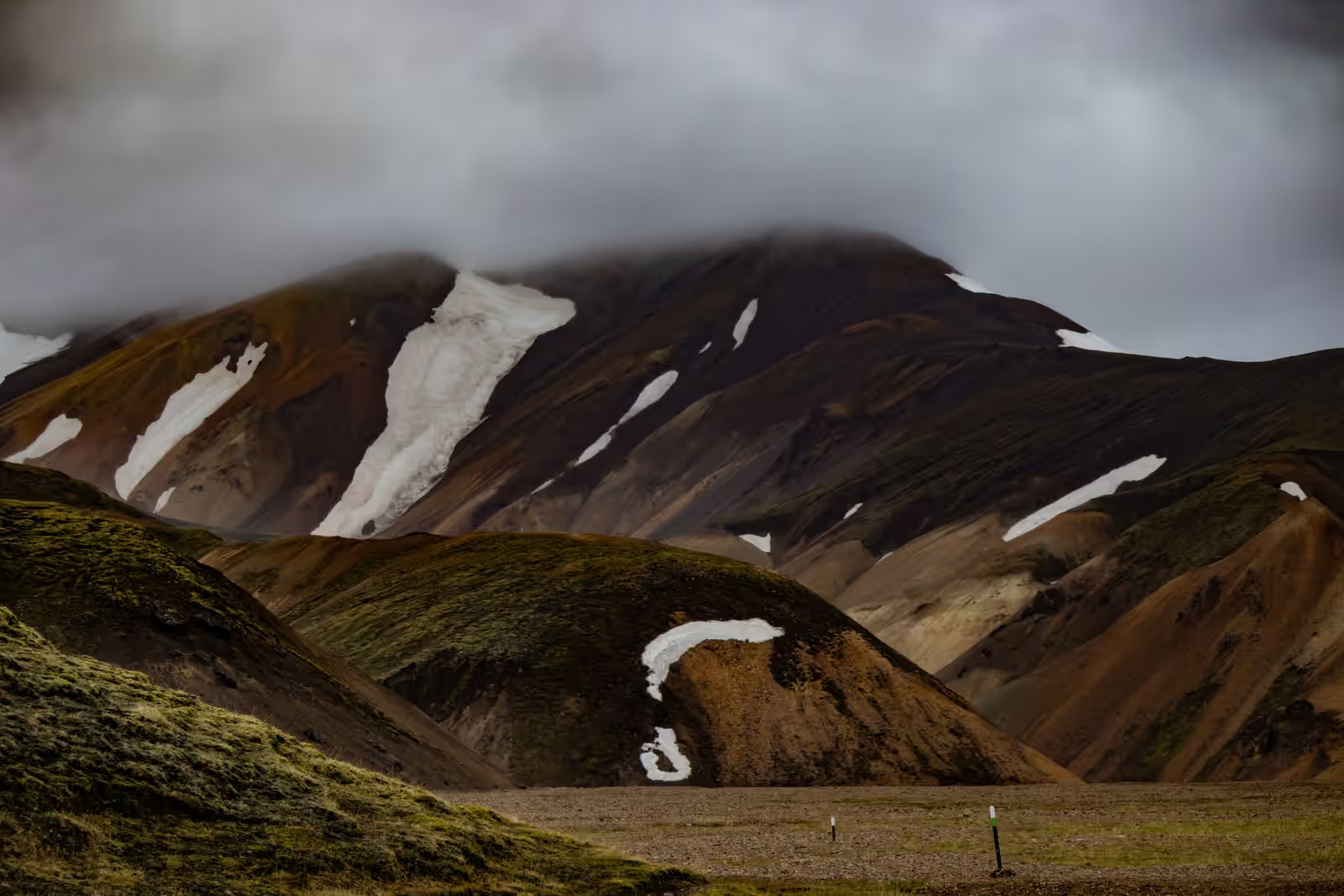 Trekking6 routes
Iceland
Five days across the Icelandic interior from Landmannalaugar to Þórsmörk, finishing over the Fimmvörðuháls pass between two glaciers.
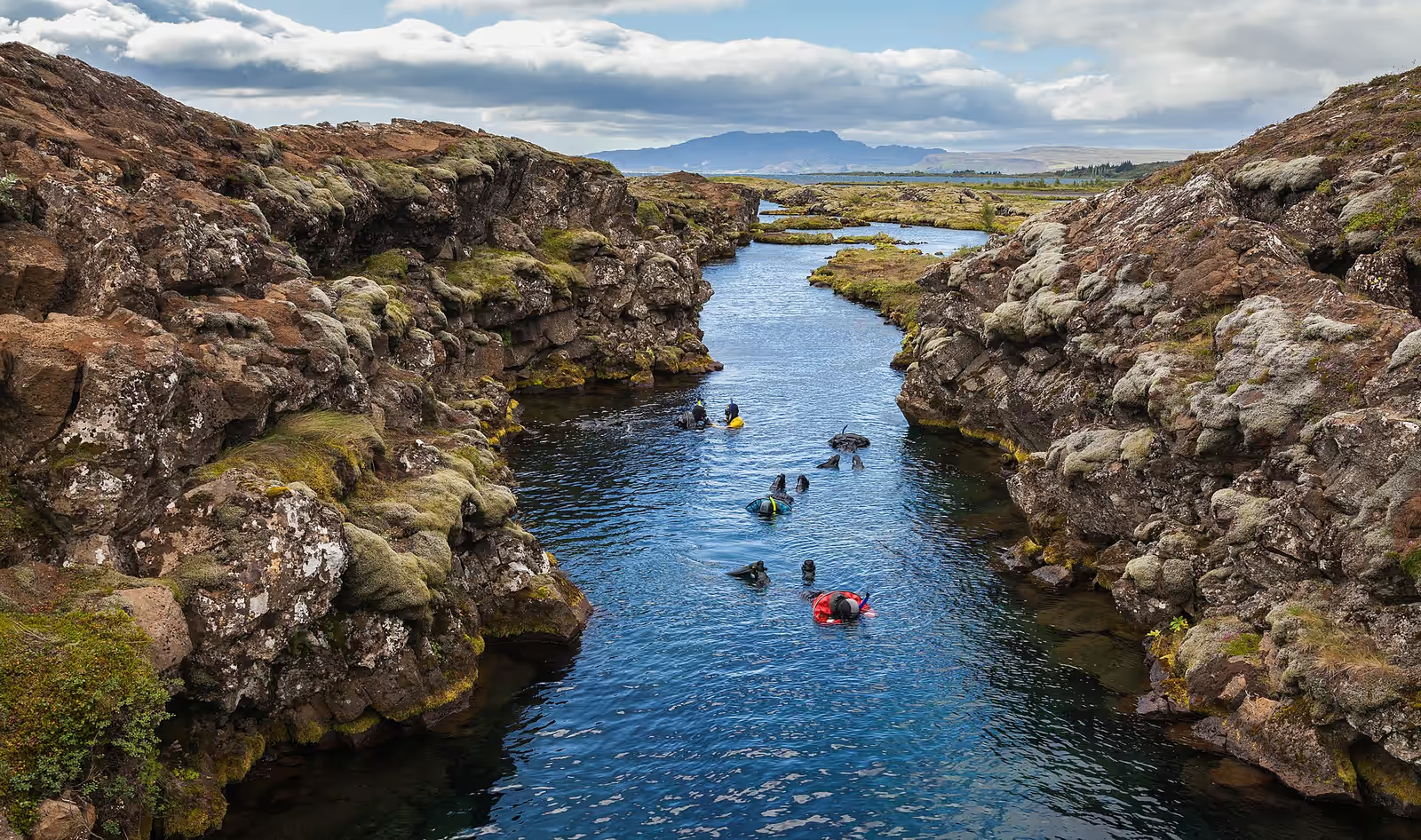 Ice diving
Iceland
Drysuit dives in 2°C glacial water, in the flooded rift between two continental plates.
A short note when a batch of places worth the trip goes up. No spam, no operators, unsubscribe anytime.