Aurora watching- Length
- Flexible
- Kids
- Kid+
- Cost
- $$$
- Permit
- Not needed
- Crowd
- Quiet
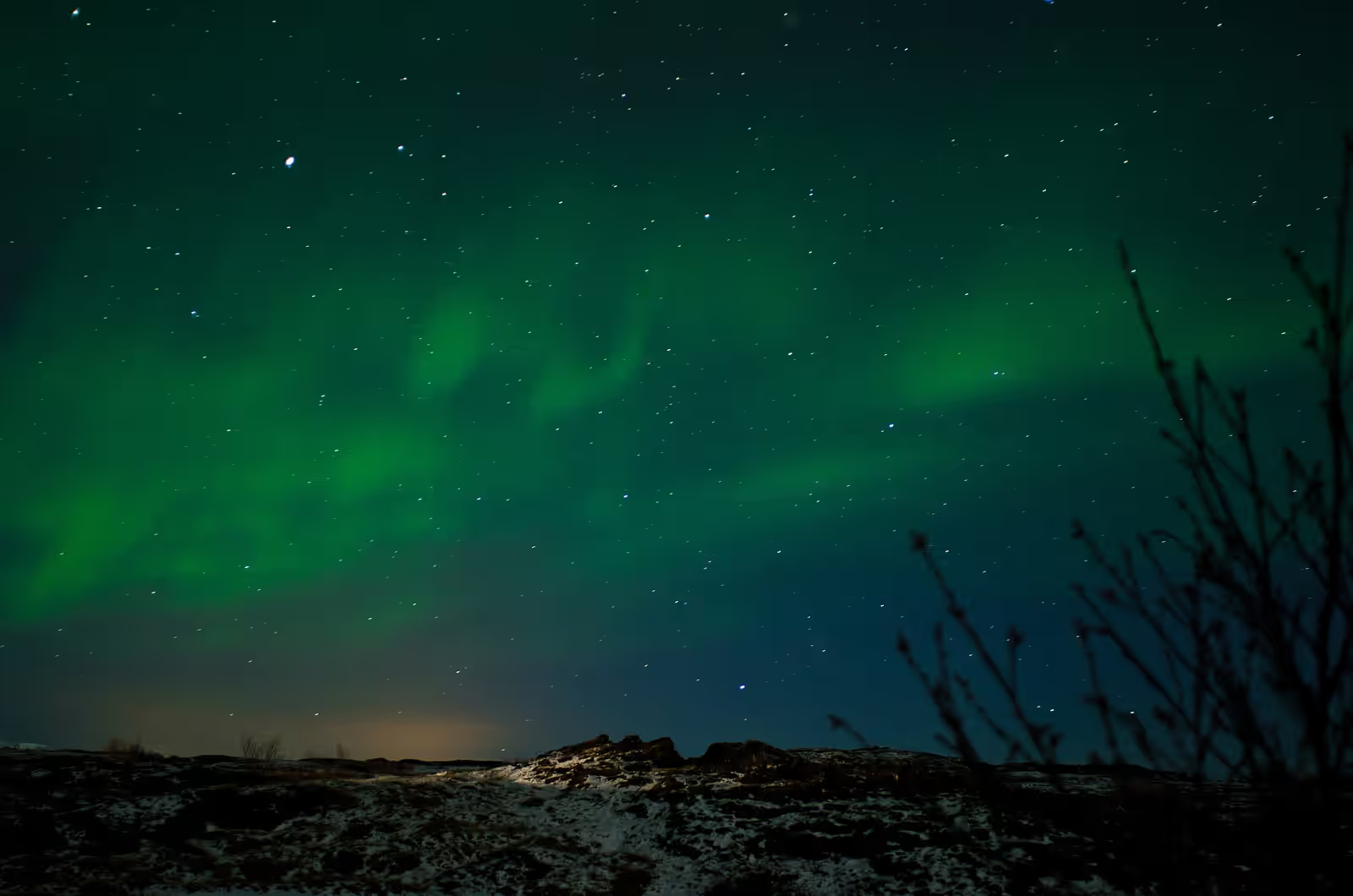
Aurora watching in Abisko
Sweden
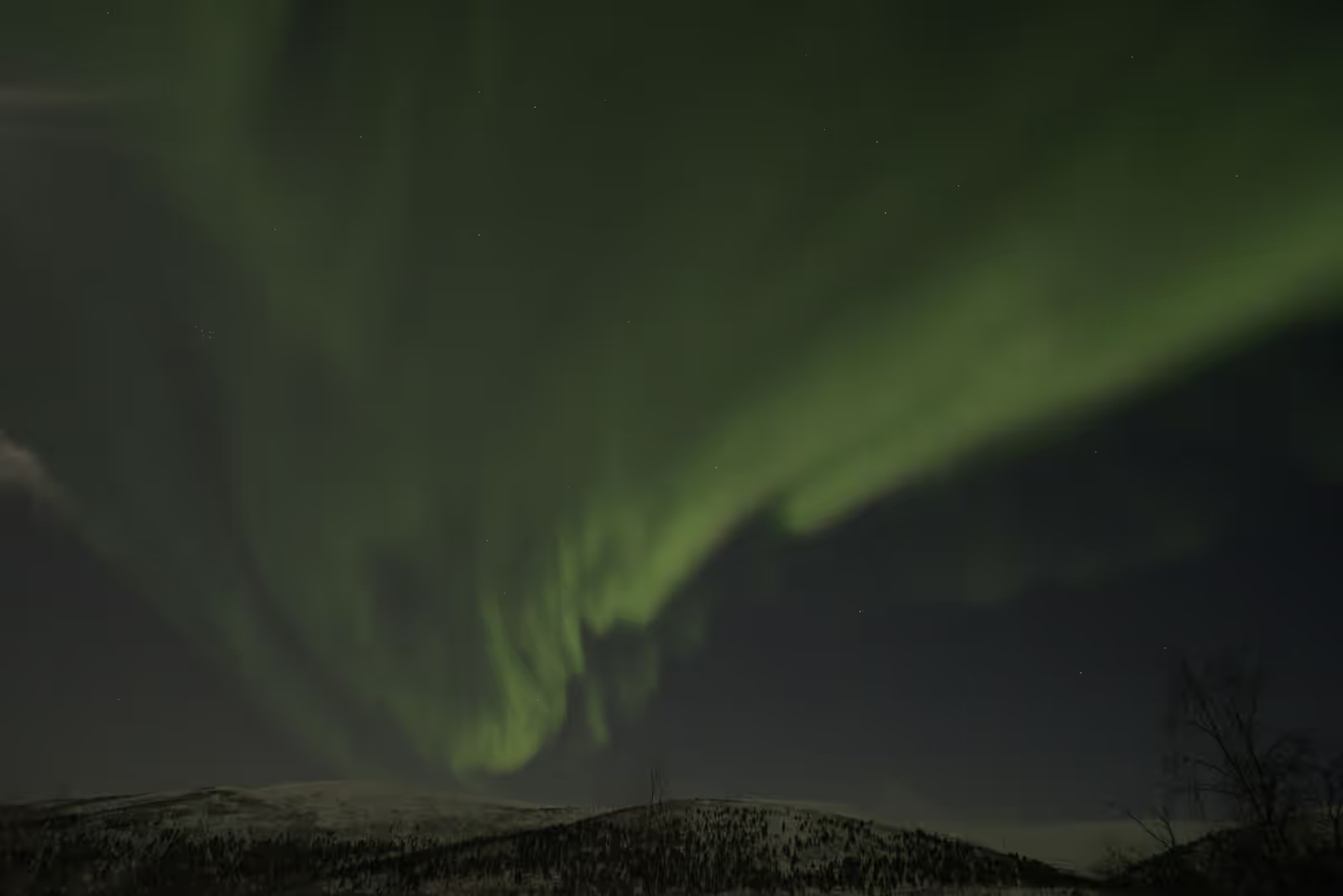
The 'blue hole of Abisko' — a rain-shadow microclimate with unusually clear winter skies.
Tromsø·Norway
Photo: Andi Gentsch · Wikimedia · CC BY-SA 2.0
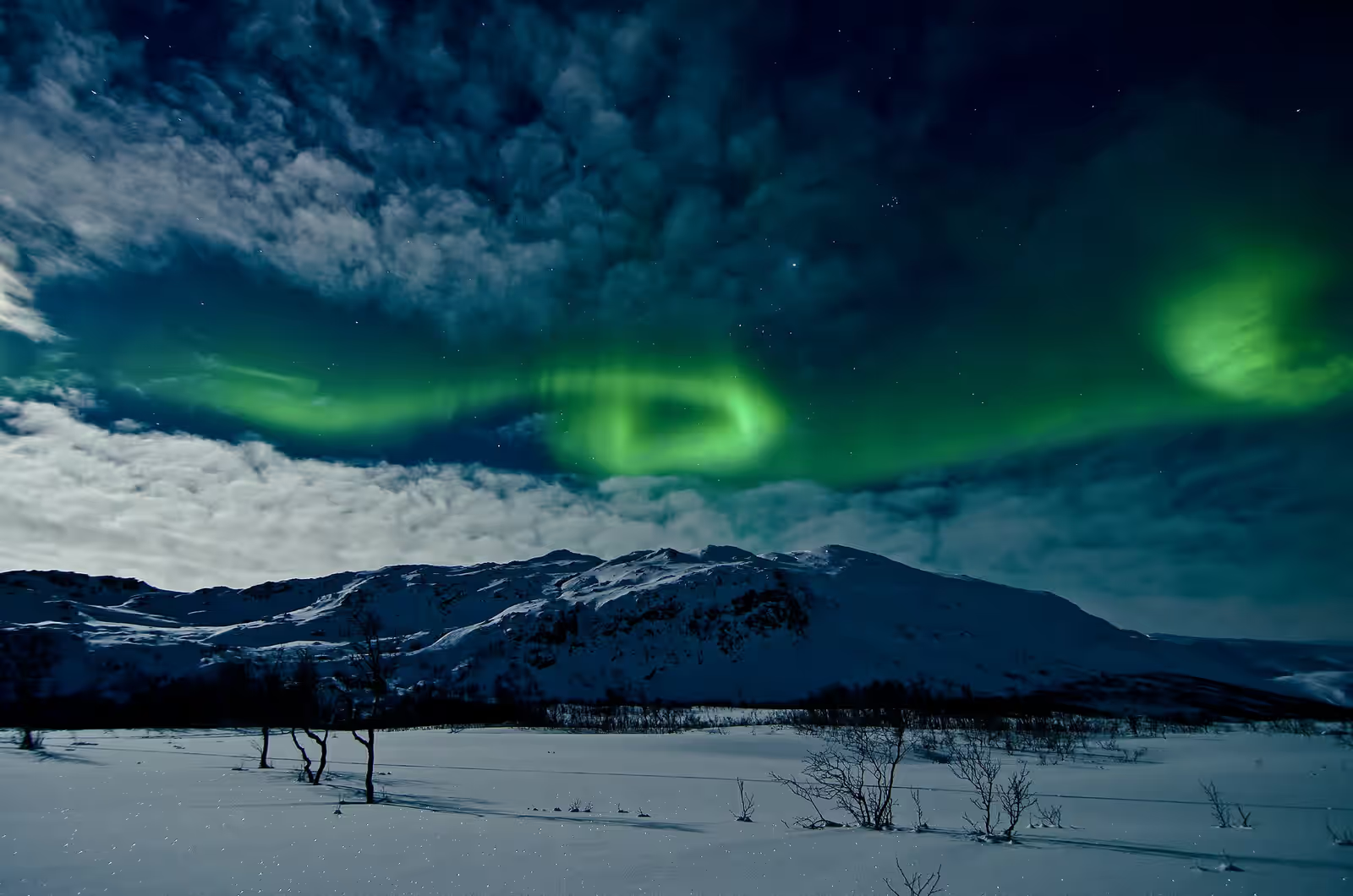
Tromsø sits deep inside the auroral zone, more than 300 kilometres north of the Arctic Circle, which makes it one of the best and most convenient places on earth to see the northern lights.
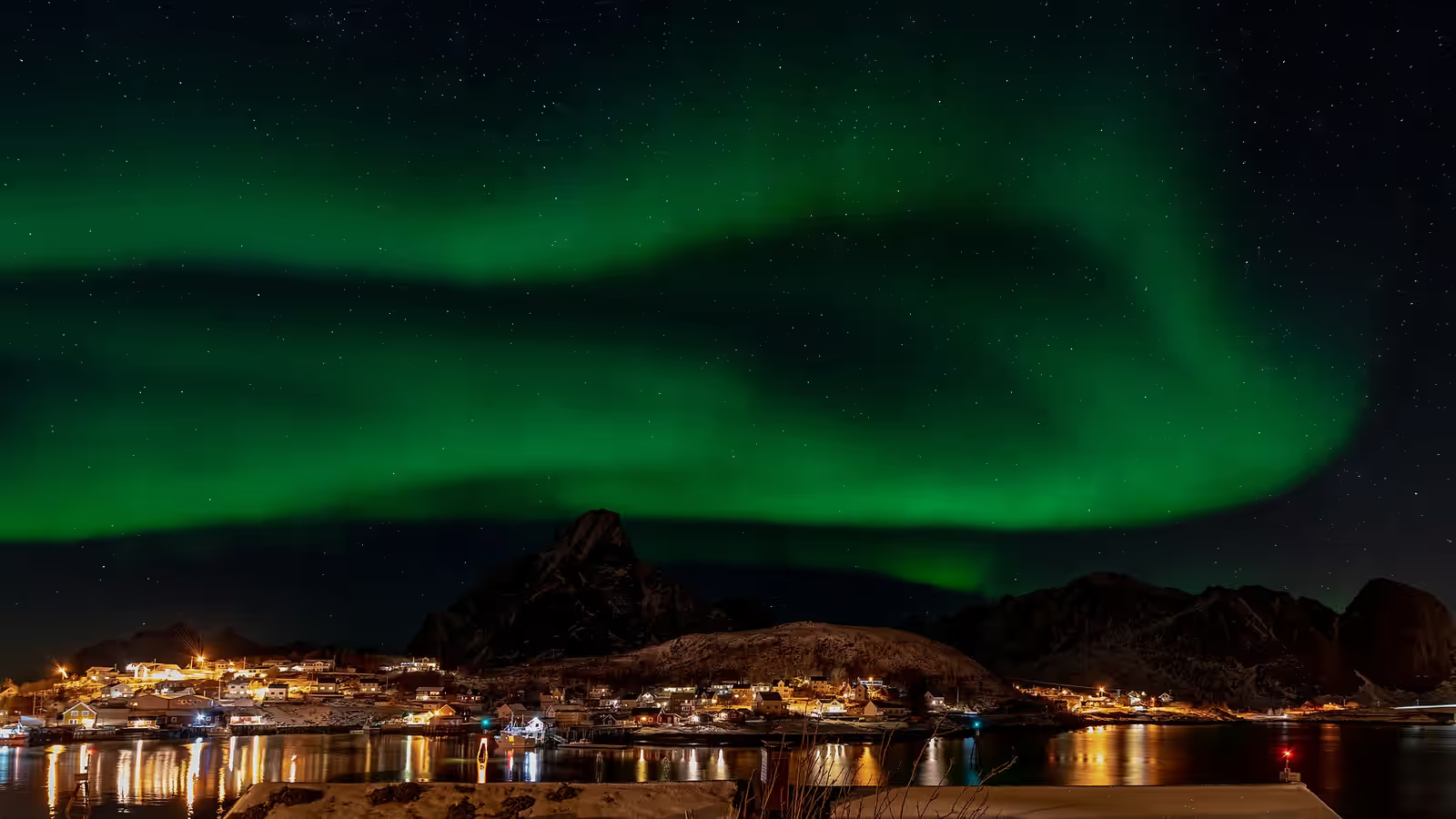
From September to March the long polar nights give hours of darkness, and when a solar storm lights the sky, curtains of green and violet ripple overhead in a display no photograph quite prepares you for.
Because coastal weather is fickle, the local way to chase them is by minibus: a guide watches the forecasts and cloud maps and drives you — sometimes for hours, even across the border into Finland — to wherever the sky is clearest.
It turns a matter of luck into a proper expedition, and standing under a full-blown aurora, bundled against the Arctic cold with a hot drink in hand, is genuinely one of nature's great spectacles.
In season: Sep–Mar
An evening or night-long outing, usually in a small minibus, spent hunting clear, dark sky away from town lights.
There is a lot of watching and waiting — the aurora is unpredictable and cloud is the enemy — so guides drive to the best forecast conditions, which can mean a long drive and a late finish.
When it appears, the lights can range from a faint grey-green arc to a full sky-filling storm of shifting colour. It asks nothing physical of you beyond standing outside in deep Arctic cold, often well below freezing, for extended periods.
Guides typically provide hot drinks, warm suits and help photographing the display. Success is never guaranteed on any single night, but a mobile chase dramatically improves the odds over staying put.
Come between late September and late March, when nights are dark enough; clear, cold spells are ideal.
Give yourself several nights rather than one to beat the weather, and book a small-group aurora chase whose guides actively drive to find clear sky — it makes a real difference over a fixed viewpoint.
Dress for serious cold in full thermal layers, or use an operator that lends insulated suits and boots. Bring a camera with manual settings and a tripod, or let the guide capture shots for you.
Keep expectations honest: the aurora depends on both solar activity and clear skies, and no tour can promise it. Check the aurora forecast (the Kp index) and simply maximise your chances with dark nights, mobility and patience.
Aurora watchingSweden
The 'blue hole of Abisko' — a rain-shadow microclimate with unusually clear winter skies.
Norway
Sep–Mar northern lights over open sea rather than forest — reflected in the fjords.
A short note when a batch of places worth the trip goes up. No spam, no operators, unsubscribe anytime.