- Length
- Flexible
- Kids
- Teen+
- Cost
- $$$$
- Permit
- Not needed
- Crowd
- Quiet
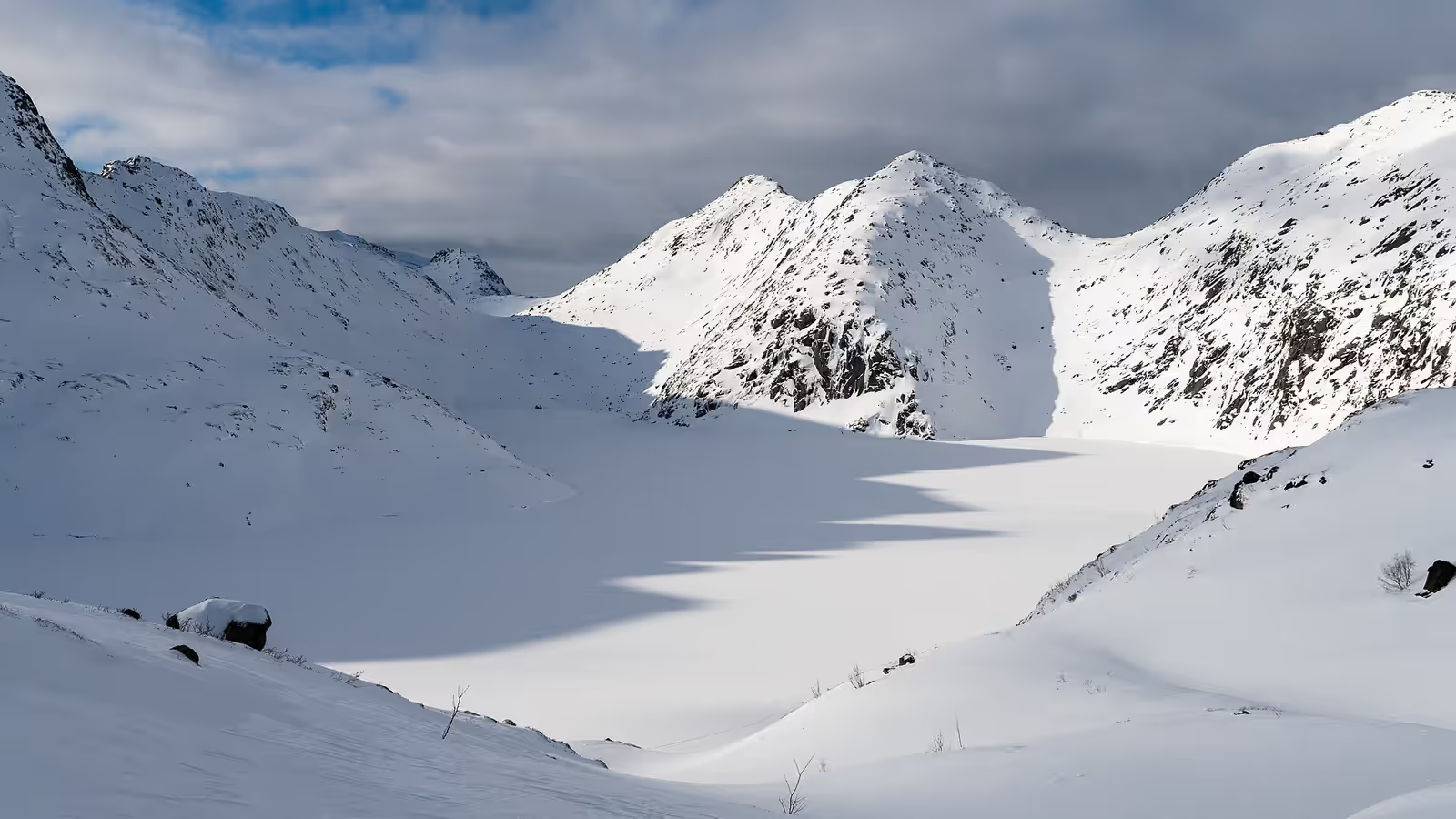
Ski touring in Lofoten
Norway
Summit-to-sea descents launched from a boat — skin up from the shoreline, ski back down to it.
Lofoten·Norway
Photo: Christoph Strässler · Wikimedia · CC BY-SA 2.0
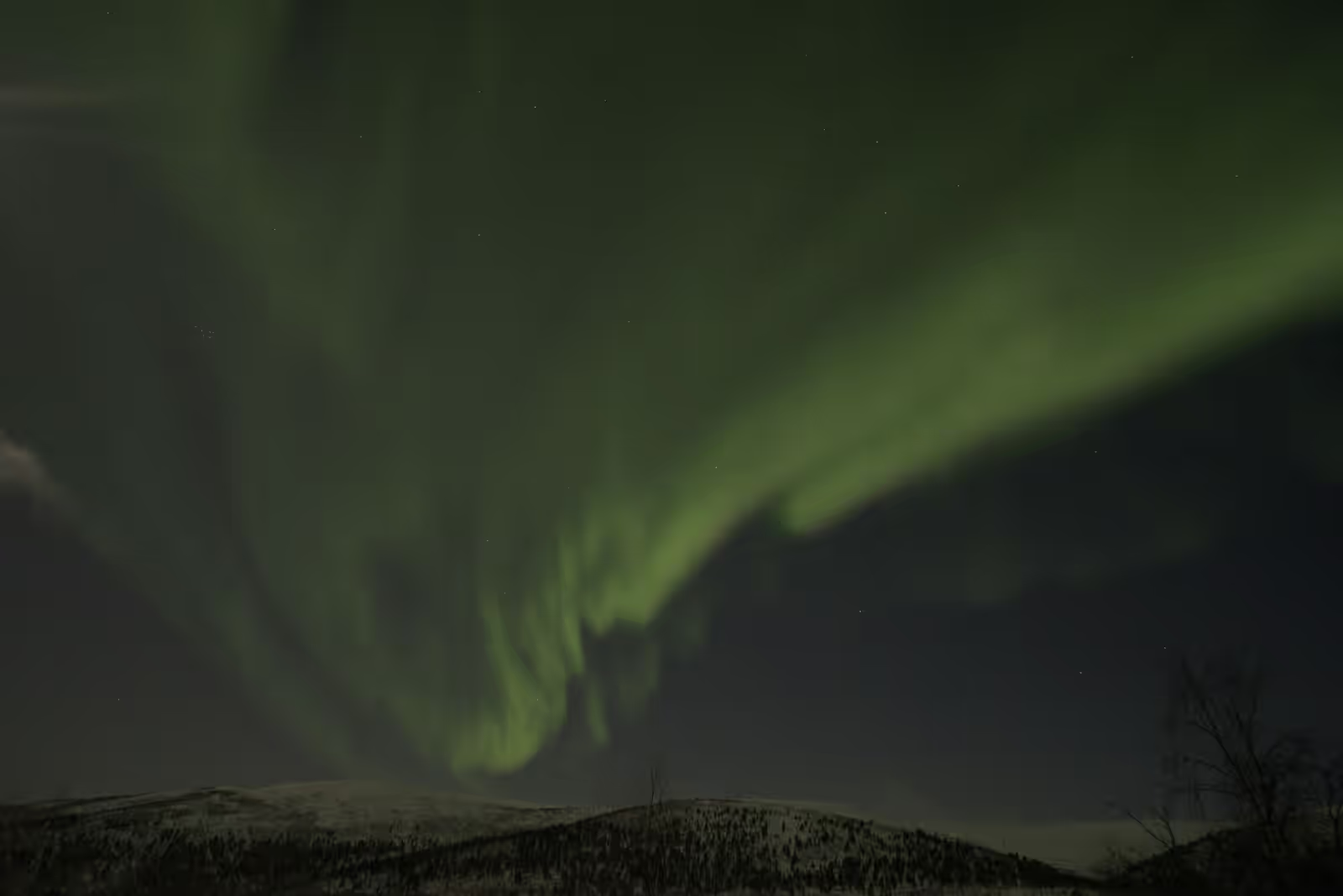
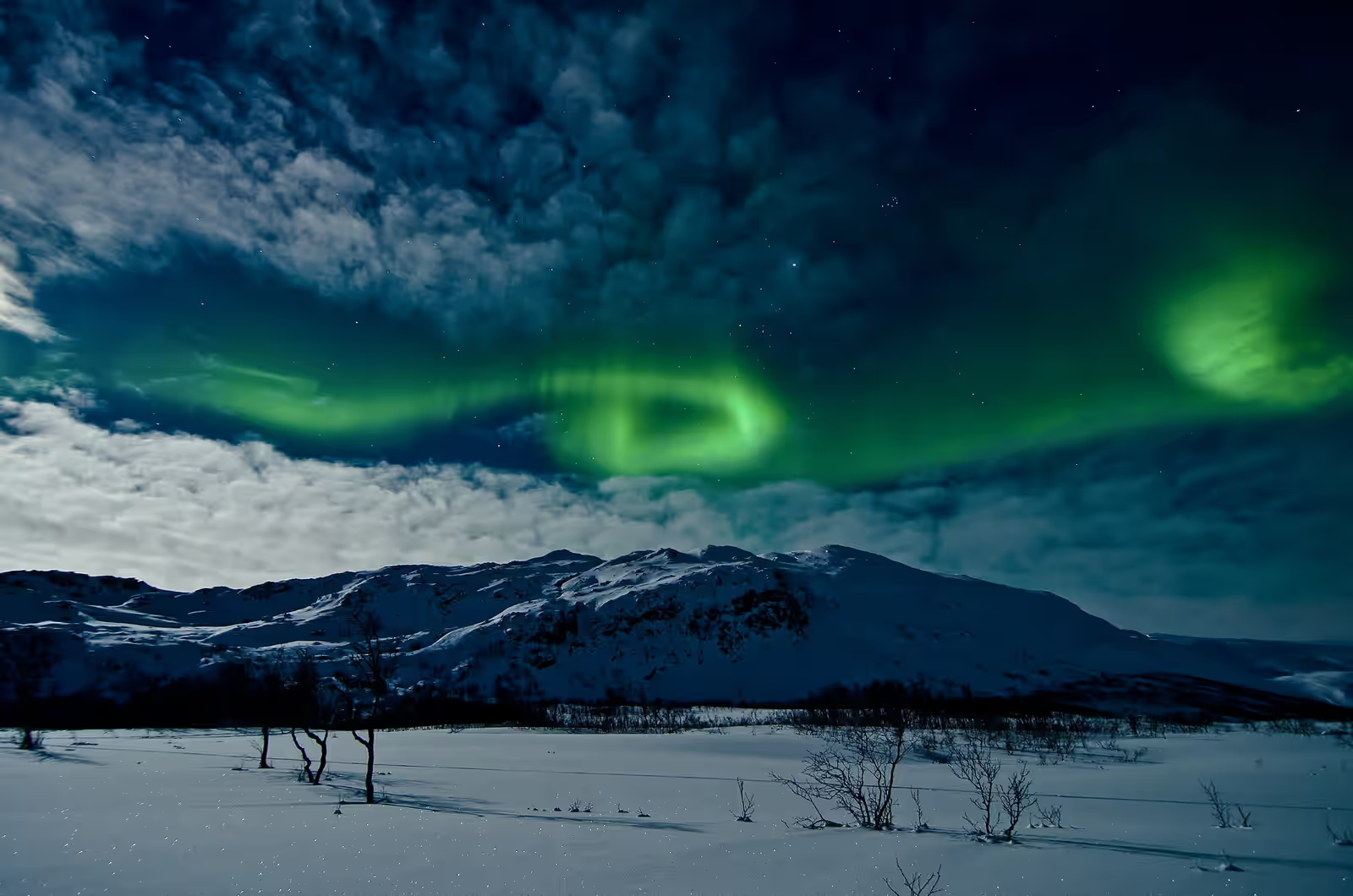
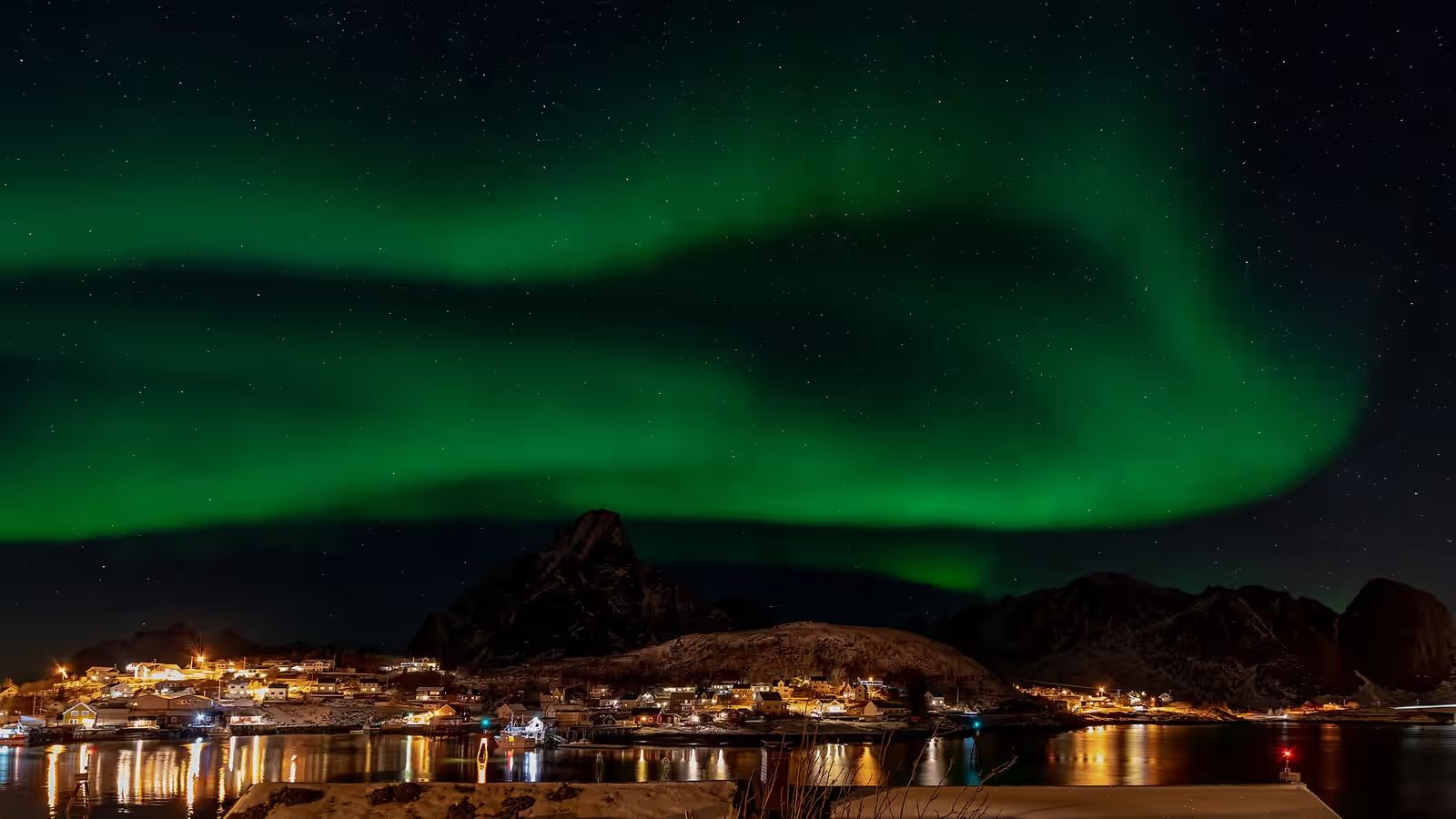
Lofoten sits squarely under the auroral oval, and what sets it apart from other northern-lights destinations is the seascape: here the lights dance over open ocean and mirror-still fjords rather than endless forest, so a strong display can be doubled in the water below and framed by jagged granite peaks.
From September to March the long Arctic nights give hours of darkness, and when a solar storm fires up, curtains of green and violet ripple above the sea in a spectacle that photographers travel the world for.
Because the islands are compact and laced with roads, it is easy to chase clear sky along the coast to a foreground of red cabins, beaches or mountains.
Add the drama of the Lofoten backdrop and the chance of reflections, and it becomes one of the most photogenic places on earth to watch the aurora.
In season: Sep–Mar
An evening or night activity that mostly involves watching, waiting and staying warm in the Arctic cold, ideally away from village lights with a clear view north over the sea.
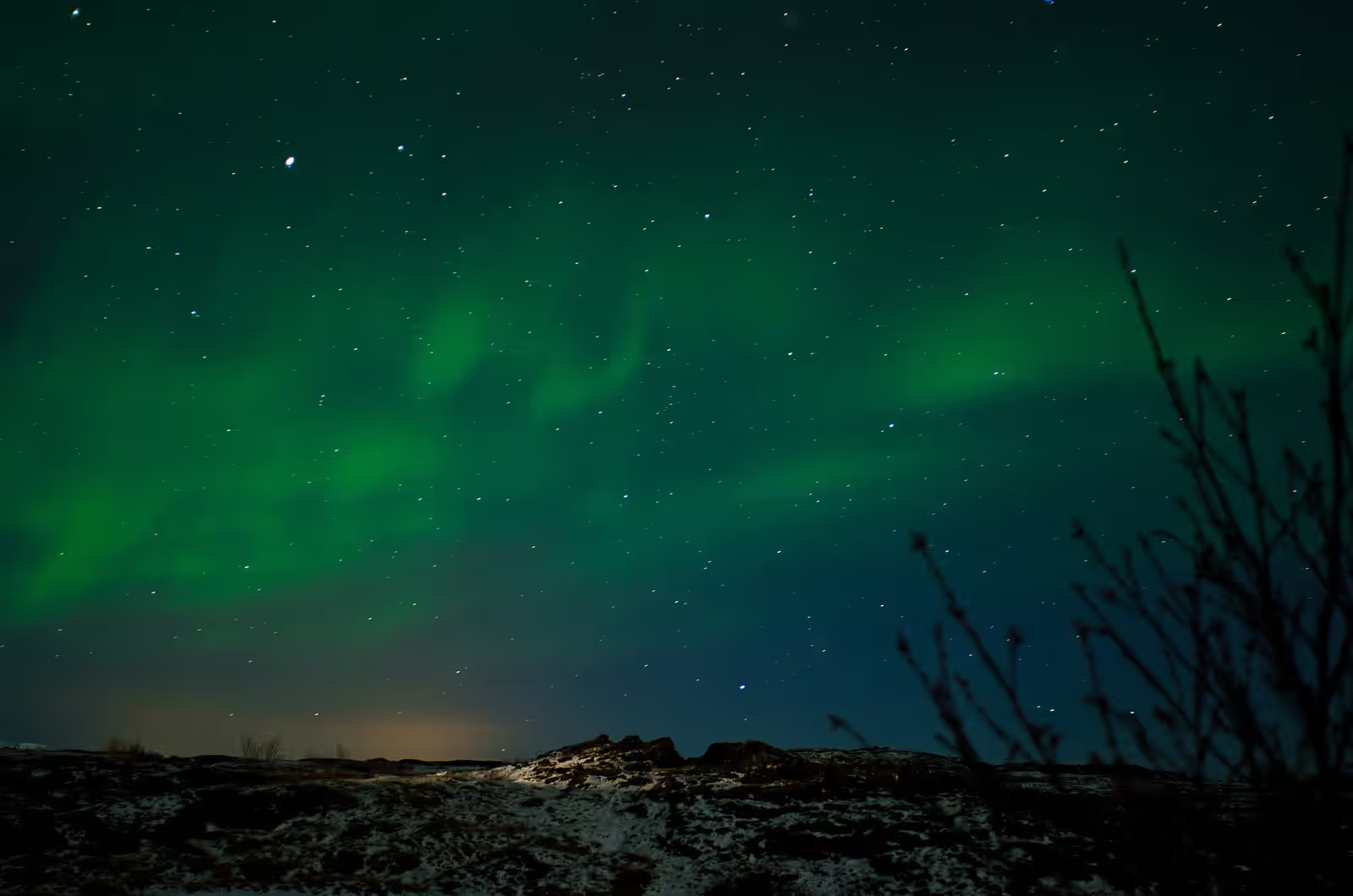
The aurora is unpredictable — cloud is the usual spoiler — so success depends on both solar activity and clear skies, and no night is guaranteed.
When it appears, displays range from a faint green arc to a full sky-filling storm, and Lofoten's coastal foregrounds and reflective fjords make it especially spectacular. It asks little physically beyond standing outside for long periods in deep cold, so warm layers and patience are the main requirements.
Many people combine it with a scenic drive to find the clearest sky, and the compact islands make that easy to do independently.
Come between September and March, when the nights are dark enough; clear, cold, settled spells are ideal, and several nights beat a single one for beating the weather.
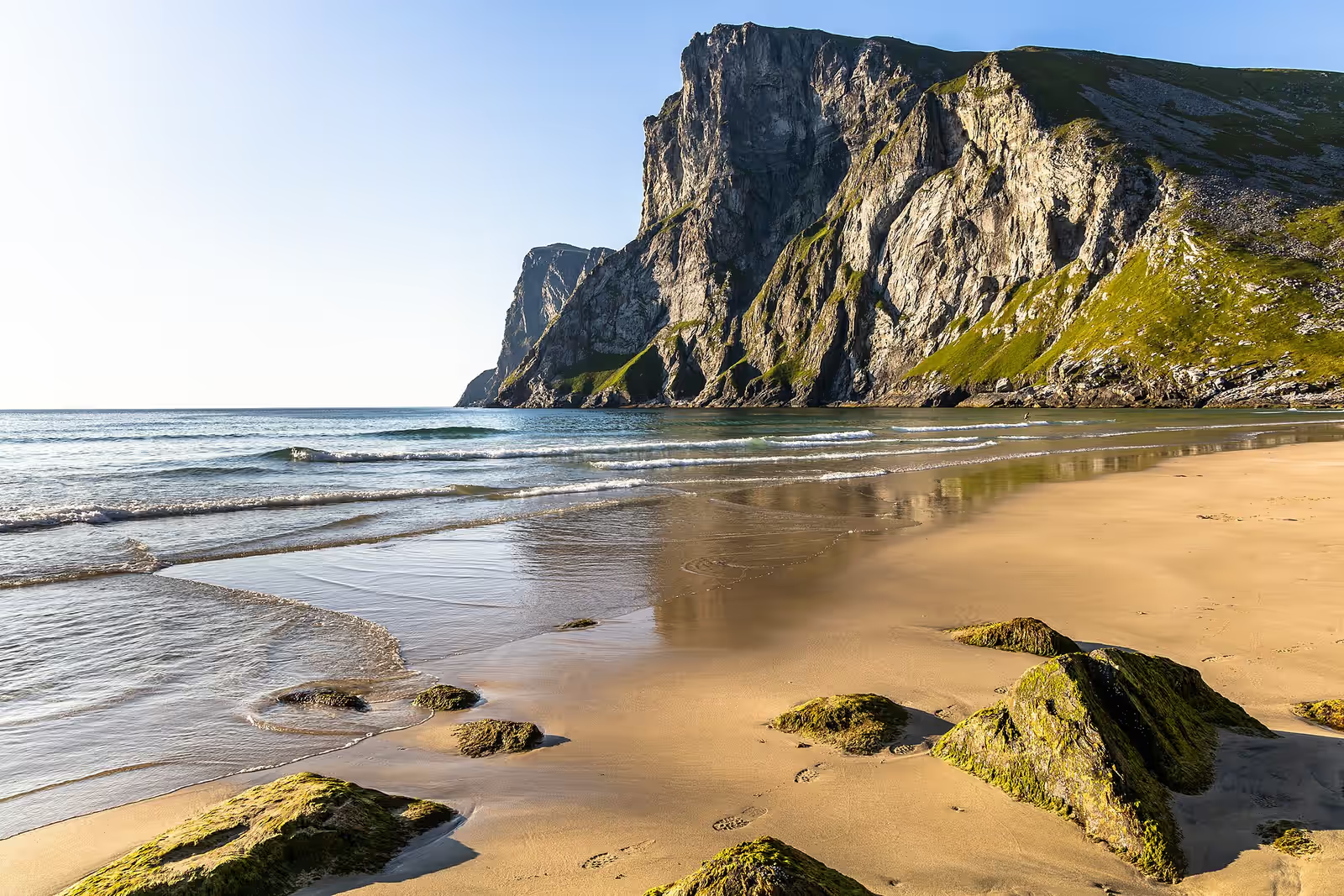
You can chase the lights independently here — rent a car and drive the coastal roads to find clear sky and a good foreground like Haukland or Uttakleiv beach — or join a small-group aurora tour whose guide handles the forecasting.
Dress for serious Arctic cold in full layers, and bring a camera with manual settings and a tripod to capture the display and its reflections. Check the aurora forecast (the Kp index) and cloud maps, keep expectations realistic, and simply maximise your odds with dark, clear nights, mobility and patience.
Bring a hot drink and enjoy the wait.
Norway
Summit-to-sea descents launched from a boat — skin up from the shoreline, ski back down to it.
Norway
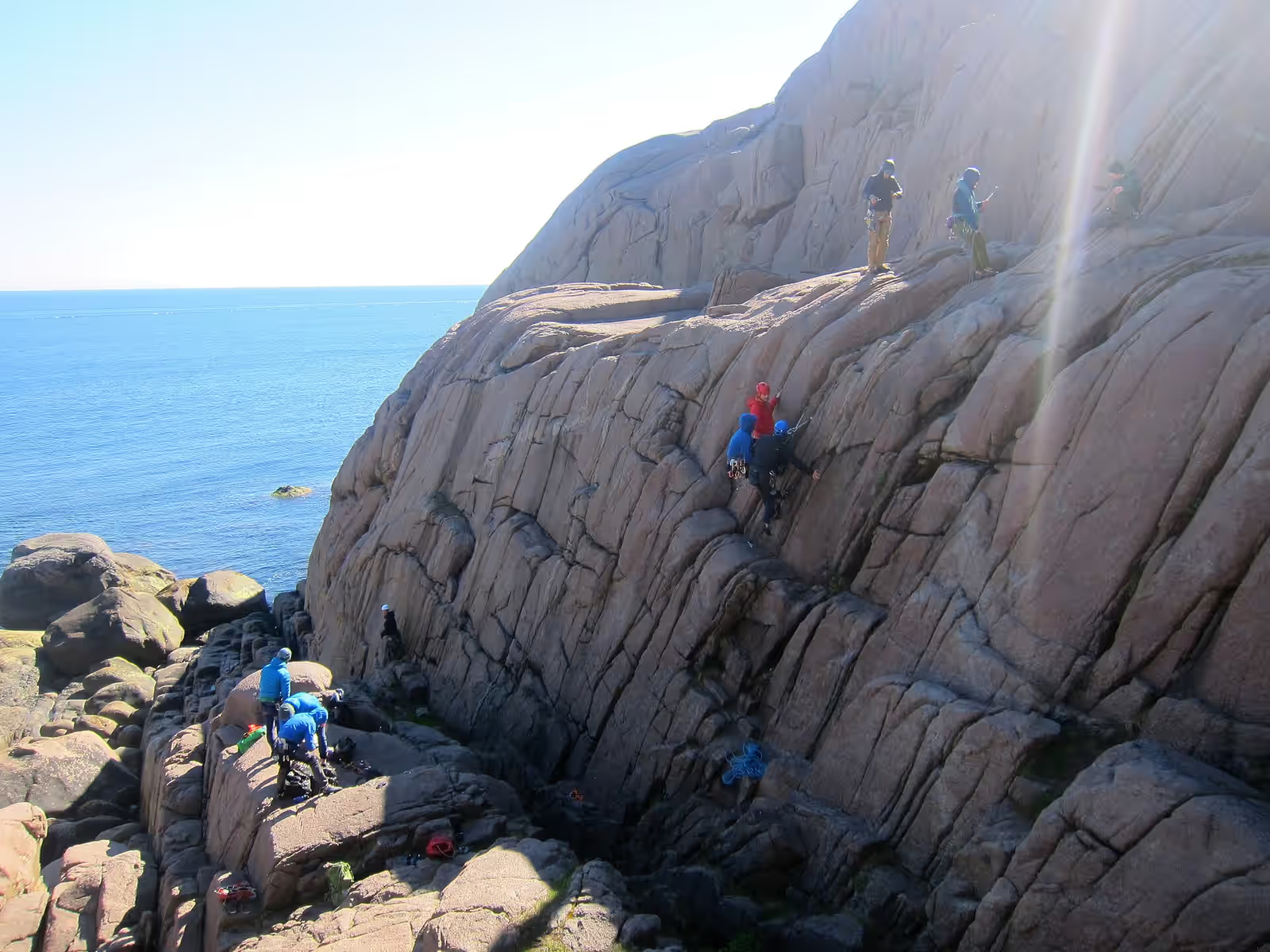
Vestpillaren on Presten and the airy Svolværgeita horn jump — Arctic granite you can climb at midnight.
Norway
Reinebringen's 1,566-step Sherpa staircase to the postcard view over Reine — some 90,000 a year.
Aurora watchingSweden
The 'blue hole of Abisko' — a rain-shadow microclimate with unusually clear winter skies.
Norway
Chasing clear sky by minibus above the Arctic Circle — the northern lights from September to March.
A short note when a batch of places worth the trip goes up. No spam, no operators, unsubscribe anytime.