- Length
- Flexible
- Kids
- Teen+
- Cost
- $$
- Permit
- Not needed
- Crowd
- Quiet
Climbing in Lofoten
Norway
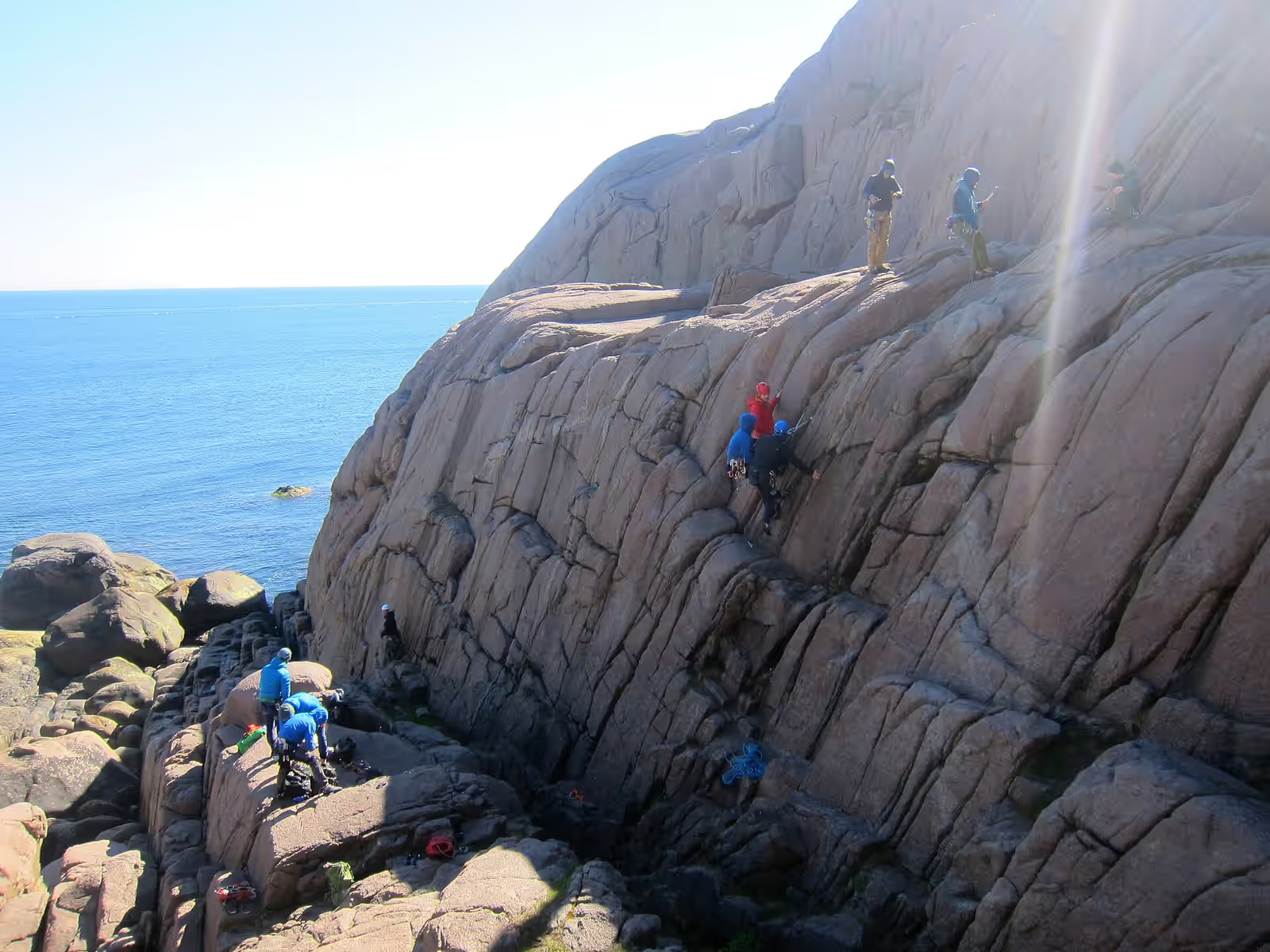
Vestpillaren on Presten and the airy Svolværgeita horn jump — Arctic granite you can climb at midnight.
Lofoten·Norway
Photo: Christoph Strässler from Oberdorf BL, Schweiz · Wikimedia · CC BY-SA 2.0
There is no ski touring quite like Lofoten's: here the mountains drop straight into the ocean, so you can skin upward from the water's edge, climb a peak with the whole Arctic archipelago spread beneath you, and ski all the way back down to the sea.
In March and April the classic way to do it is by boat — a sailing yacht or motor cruiser becomes your moving basecamp, nosing into a different fjord each morning so you step off the deck and start climbing, then ski a fresh line right back to the shoreline where the boat waits.
The scale, the light and the sheer novelty of ski-and-sail make it one of the most coveted trips in the ski-touring world. It is spring skiing with a sea view, and utterly unlike the Alps.
In season: Mar–Apr
Human-powered spring ski touring: skinning uphill with climbing skins for the ascent, then descending on backcountry gear, typically 800–1,200 metres of vertical from a summit right down to the sea.
Days are set by the boat and the snowpack — you land, tour, ski, and re-board, often chasing the best aspects and safest slopes.
This is avalanche terrain in a maritime climate, so conditions swing from powder to breakable crust and stability must be assessed every day; a qualified guide and full avalanche kit are essential.
You need to be a competent off-piste skier, fit enough for long climbs, and comfortable in remote, committing terrain. The payoff is empty peaks, ocean-to-summit lines and April's long, bright Arctic days.
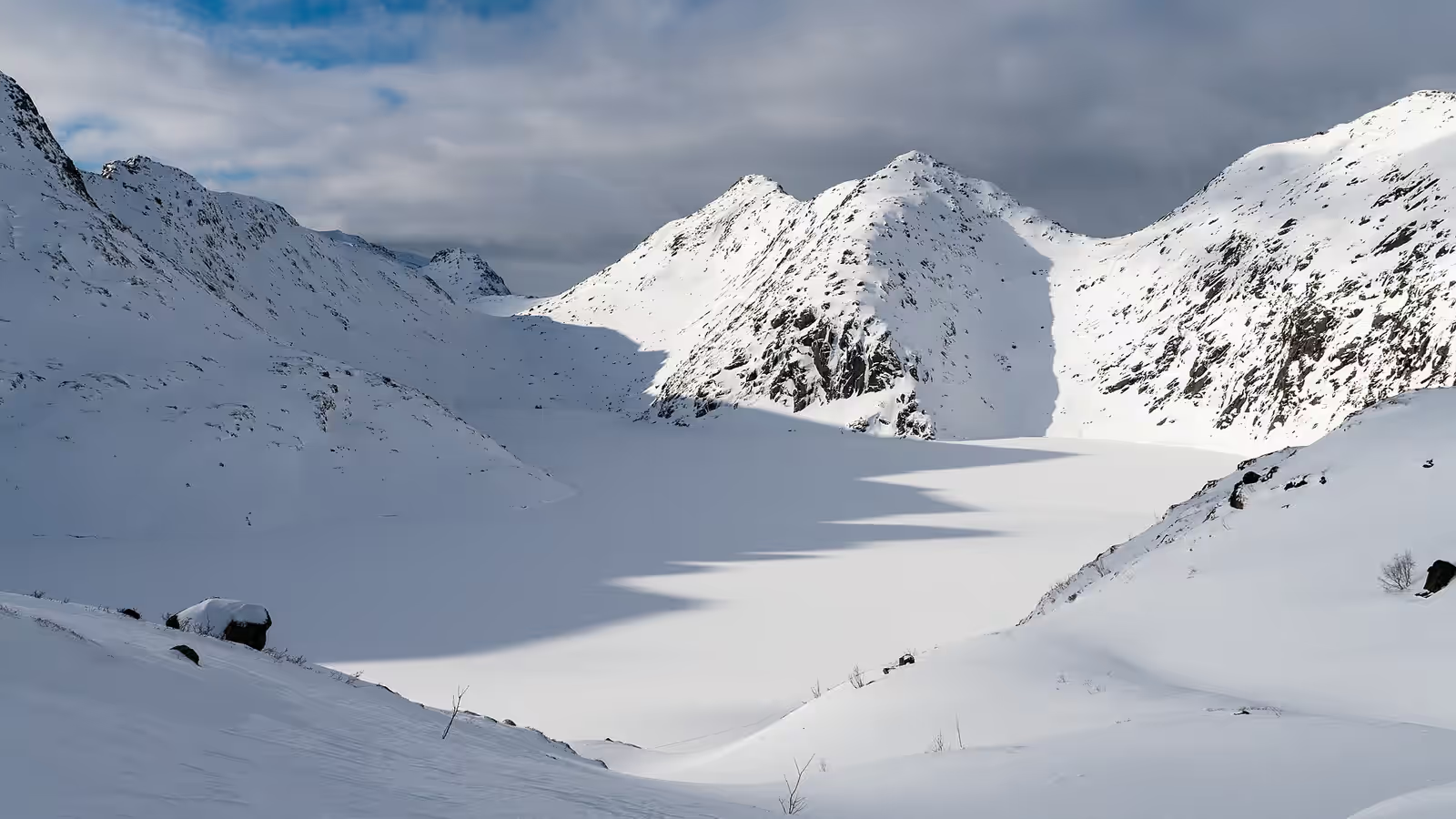
Go in the tour season, roughly March to April, when there is still snow to the shore and daylight is long. The signature experience is a ski-and-sail trip: book a berth on a guided boat-based tour months ahead, as they are popular and limited.
You must be a solid intermediate-to-advanced off-piste skier and reasonably fit for the climbs. Bring or rent touring skis with skins, plus a transceiver, shovel and probe — avalanche safety gear is non-negotiable, and you should have (or learn) the basics of using it.
Always tour with a qualified mountain guide here; the terrain and maritime snowpack demand local judgement. Pack for cold, wet Arctic weather, and stay flexible: the guide reads the snow and weather daily and the plan changes with them.
Norway
Vestpillaren on Presten and the airy Svolværgeita horn jump — Arctic granite you can climb at midnight.
Norway
Reinebringen's 1,566-step Sherpa staircase to the postcard view over Reine — some 90,000 a year.
Norway
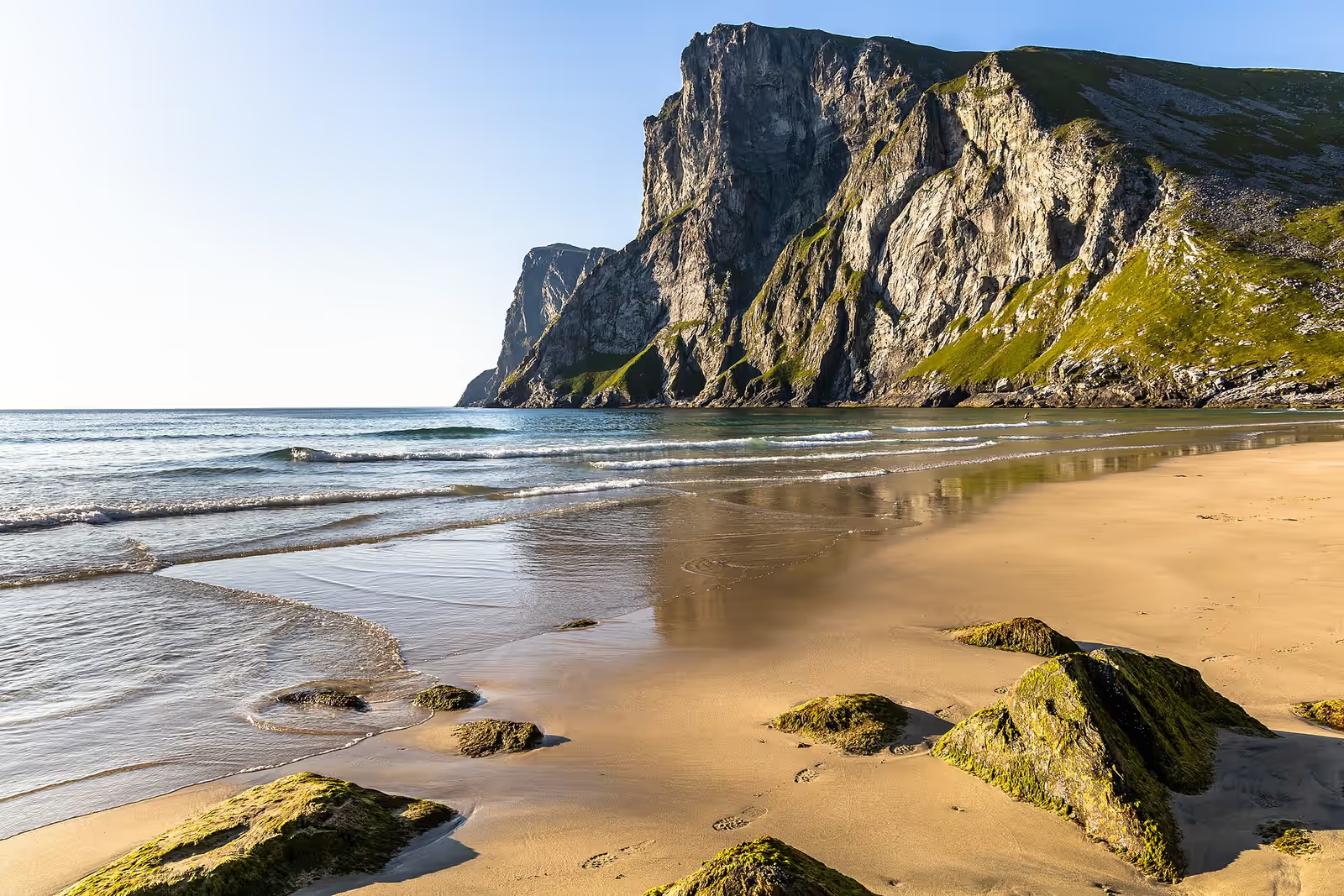
The Lofotodden traverse to Kvalvika and Horseid — white-sand beaches with no road behind them.
Ski touringJapan
A week timed to Siberian storms that drop fifteen metres of the lightest snow on earth over a season.
Ski touringNorway
Eight days skiing and sailing in the high Arctic, where the rifle in the guide's bag is not decoration.
Ski touringJapan
Three days climbing Hokkaido's perfect volcanic cone on skins, then dropping into the crater itself.
A short note when a batch of places worth the trip goes up. No spam, no operators, unsubscribe anytime.