- Length
- 14 days
- Kids
- Adults only
- Cost
- $$$$$
- Permit
- Not needed
- Crowd
- Empty
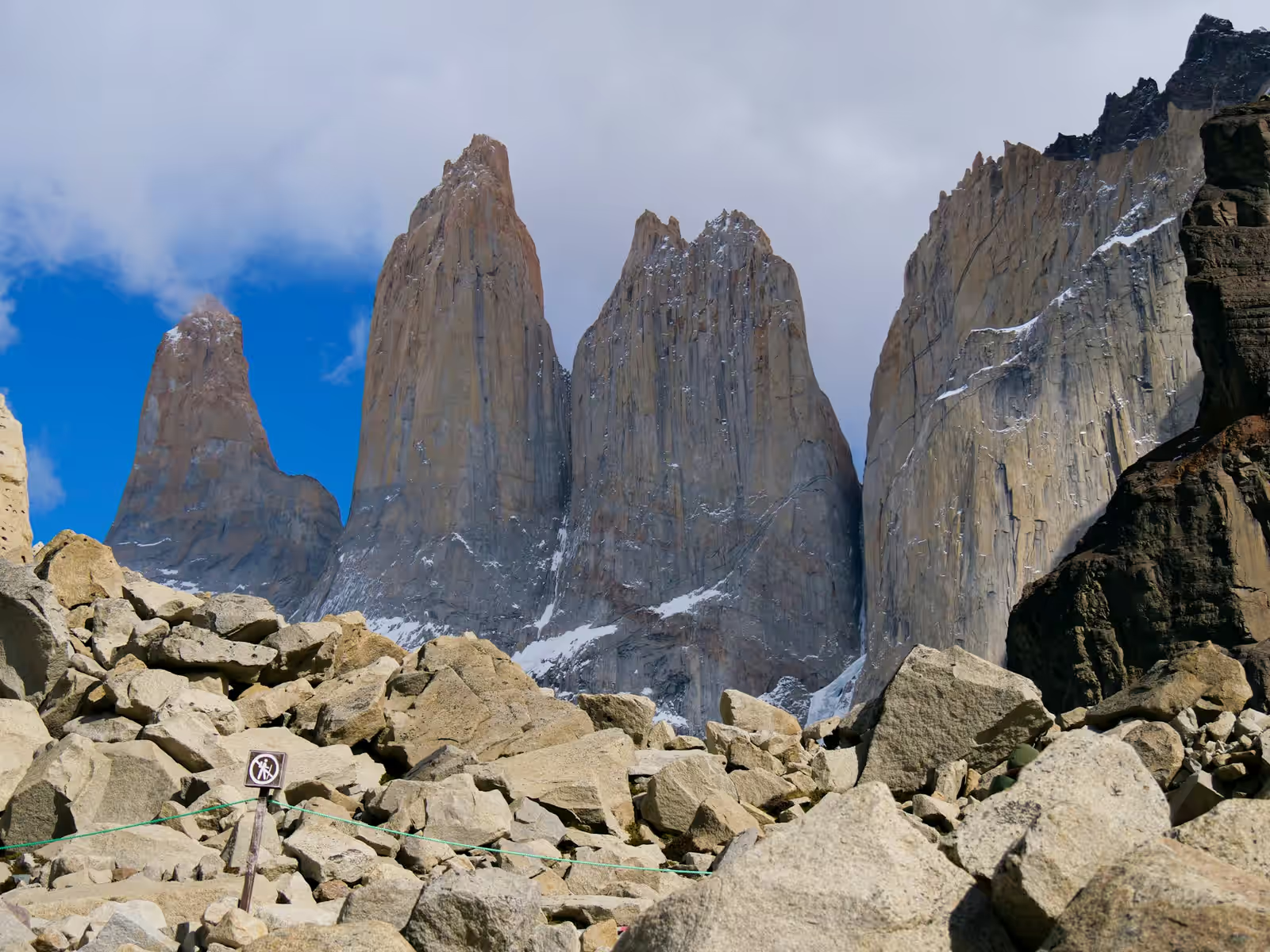
Climbing in Patagonia
Chile · Argentina
Some of the most technical and committed granite towers on earth.
Fontainebleau·France

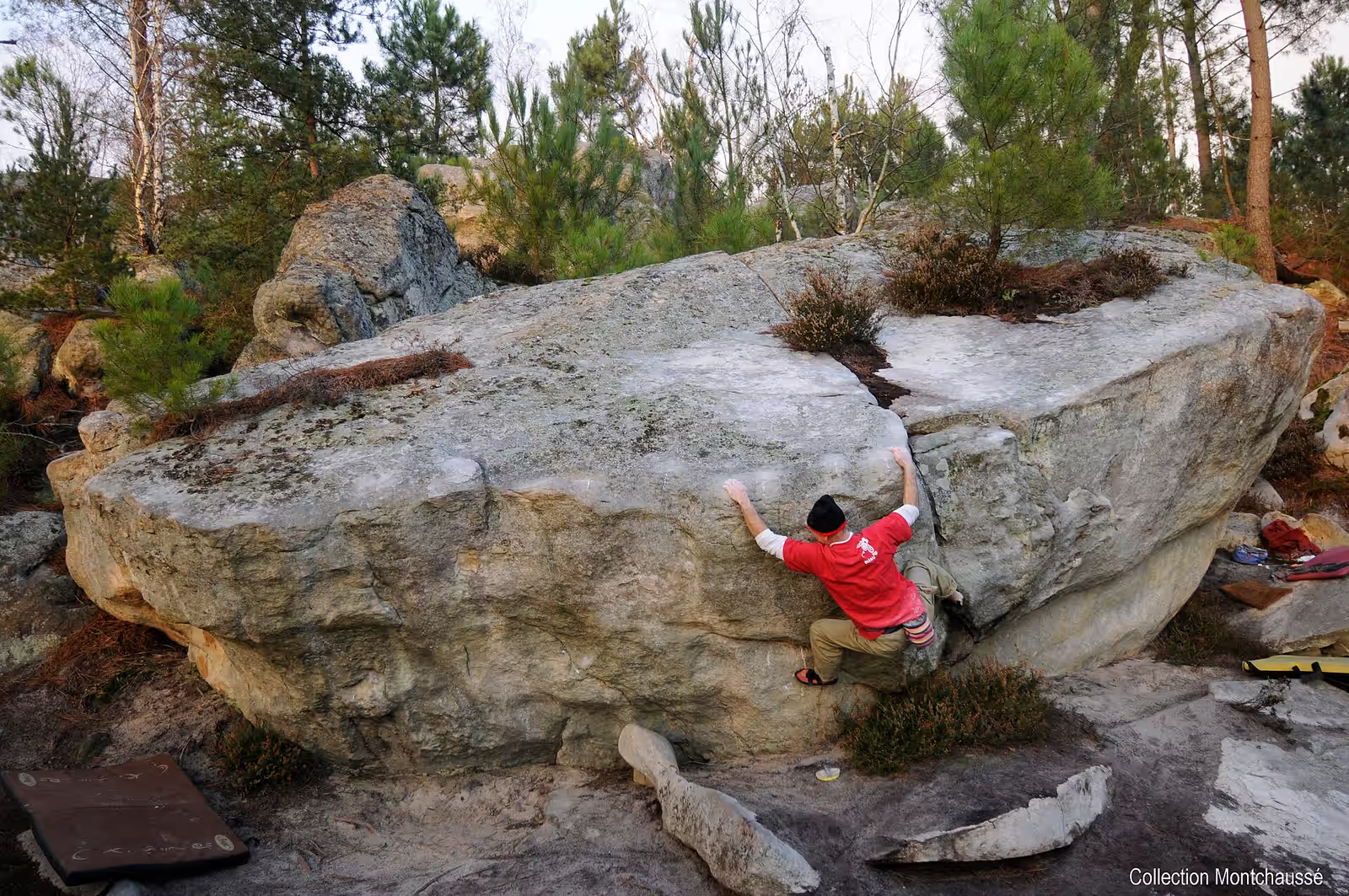
Photo: Jo Montchaussé · Wikimedia · CC BY-SA 4.0
Fontainebleau — 'Font' to climbers everywhere — is where bouldering became its own sport.
In the forest south of Paris lie thousands of weathered sandstone boulders, and for over a century climbers have been working out problems on them, to the point that the whole grading system and much of the culture of modern bouldering grew out of this one forest.
The rock is magical: rounded, sculpted sandstone with slopers, delicate slabs and improbable problems that reward technique and footwork over raw power. There are tens of thousands of problems across dozens of areas, colour-coded into circuits from easy family wanders to some of the hardest boulders on earth.
That range is the joy of it — complete beginners and small children can scramble happily while world-class climbers project at the limit, all in the same beautiful forest, with a crash pad and a brush the only gear you need. It is the most soulful bouldering destination there is.
In season: Mar–May, Sep–Nov
Bouldering on thousands of rounded sandstone blocks scattered through a beautiful forest — no ropes, just a crash pad and climbing shoes, working problems close to the ground.
The rock's character is unique: sculpted, often slopey holds and delicate slabs that reward footwork and technique over strength, which can humble strong climbers used to steep gyms. Problems are organised into colour-coded circuits by difficulty, from easy family-friendly wanders to world-class hard lines, so every level is catered for.
Expect walking between boulders through the forest, sandy landings, and rock that's fragile when wet — it's climbed dry only. Bring a pad, brush and patience for the subtle style.
Base near the forest — the towns of Fontainebleau or Milly-la-Forêt — an easy trip south of Paris, and climb in the drier, cooler shoulder seasons (spring and autumn are ideal; the sandstone is fragile and off-limits when wet, so never climb after rain).
Bring or hire a crash pad, climbing shoes and a soft brush; a guidebook or app helps you find the colour-coded circuits that match your level. It suits everyone from small children to elite climbers. Start on an easy circuit to learn the subtle, footwork-heavy style.
Brush holds clean, land carefully on the sandy ground, and treat the soft rock gently.
Chile · Argentina
Some of the most technical and committed granite towers on earth.
ClimbingGreece
The place sport climbing goes on holiday — the most concentrated bolted crag network in Europe.
ClimbingFrance
Europe's grand limestone canyon: abseil in from the rim and climb your way back out.
A short note when a batch of places worth the trip goes up. No spam, no operators, unsubscribe anytime.