Paragliding- Duration
- 7 days
- Kids
- Adults only
- Cost
- $$$$
- Permit
- Not needed
- Crowd
- Empty
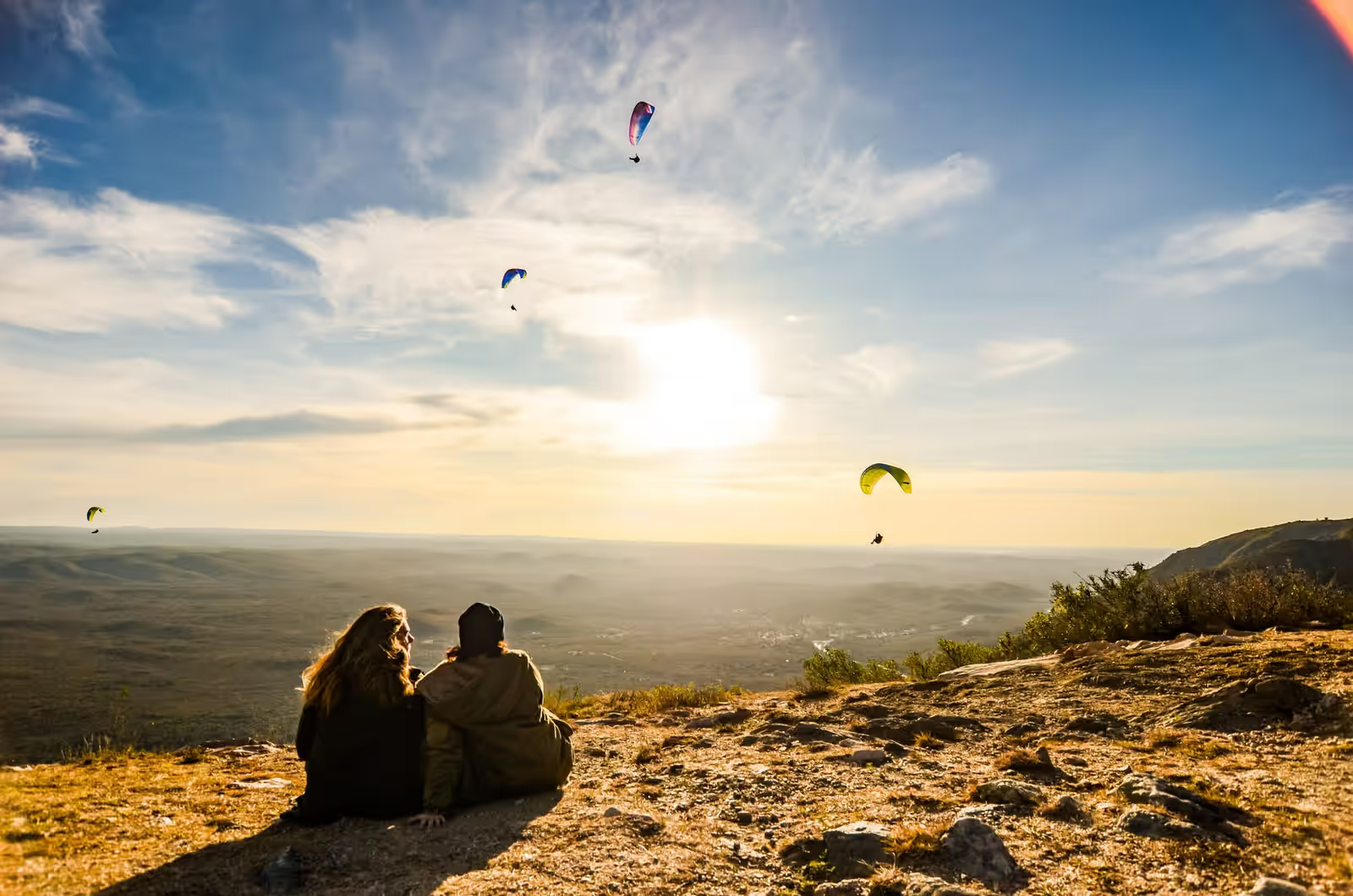
Paragliding in Patagonia
Argentina
Flyable, but only for pilots who already know how to handle Patagonian wind.
Santa Cruz·Argentina

Photo: Florian Delée · Unsplash
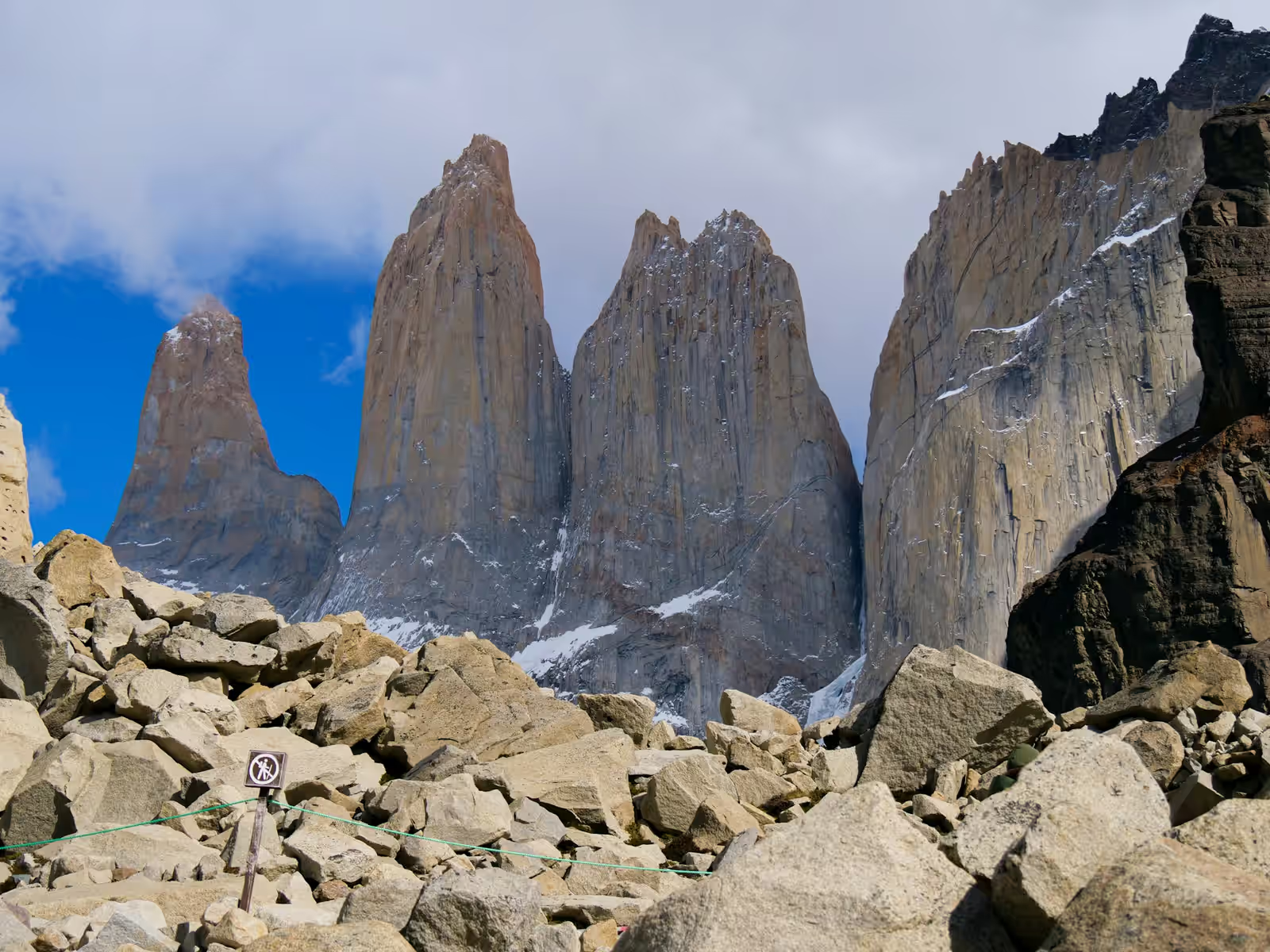
Patagonia is where technical rock climbing meets some of the worst weather on earth, and the combination is precisely the point. The granite towers of the Chaltén massif — Fitz Roy, Cerro Torre and their neighbours — are among the most committing and coveted objectives anywhere, sheer multi-pitch lines swept by wind that can pin you in the valley for weeks on end.
This is no casual crag. Success here is as much about patience and judgement as about climbing hard: you wait out the storms in town, watch the forecast obsessively, and move fast when a rare weather window cracks open. When it does, you're on immaculate granite with an ice cap on one side and the Patagonian steppe on the other.
This is expert terrain, for climbers with real alpine and multi-pitch experience, and the season runs the southern summer, roughly November to March. Come for the towers — but come prepared to be humbled by the weather long before the rock.
In season: Dec–Feb · Peak: Jan
Expert alpine rock at its most committing: sheer multi-pitch granite on the Chaltén towers — Fitz Roy, Cerro Torre and their neighbours — swept by weather that can pin you in town for weeks. Success is as much patience and judgement as hard climbing.
You wait out storms, watch the forecast obsessively, and move fast when a rare window cracks open, then find yourself on immaculate granite with an ice cap on one side and the steppe on the other. Approaches are long and serious, retreat can be complex, and the margins are thin.
This is terrain for climbers with real, prior alpine and multi-pitch experience.
This is not a first alpine trip — come only with solid multi-pitch and alpine experience and an established, trusted partner.
Base yourself in El Chaltén for the southern summer, roughly November to March, and plan for a long stay: the whole game is waiting out bad weather and pouncing on short windows, so a two-week trip may yield only a day or two of climbing.
Study the forecast tools the local community relies on, carry a full alpine rack and storm-worthy kit, and set conservative turnaround rules. No permit is needed to climb, but self-sufficiency and humility are.
Climbing4 sectorsUnited States
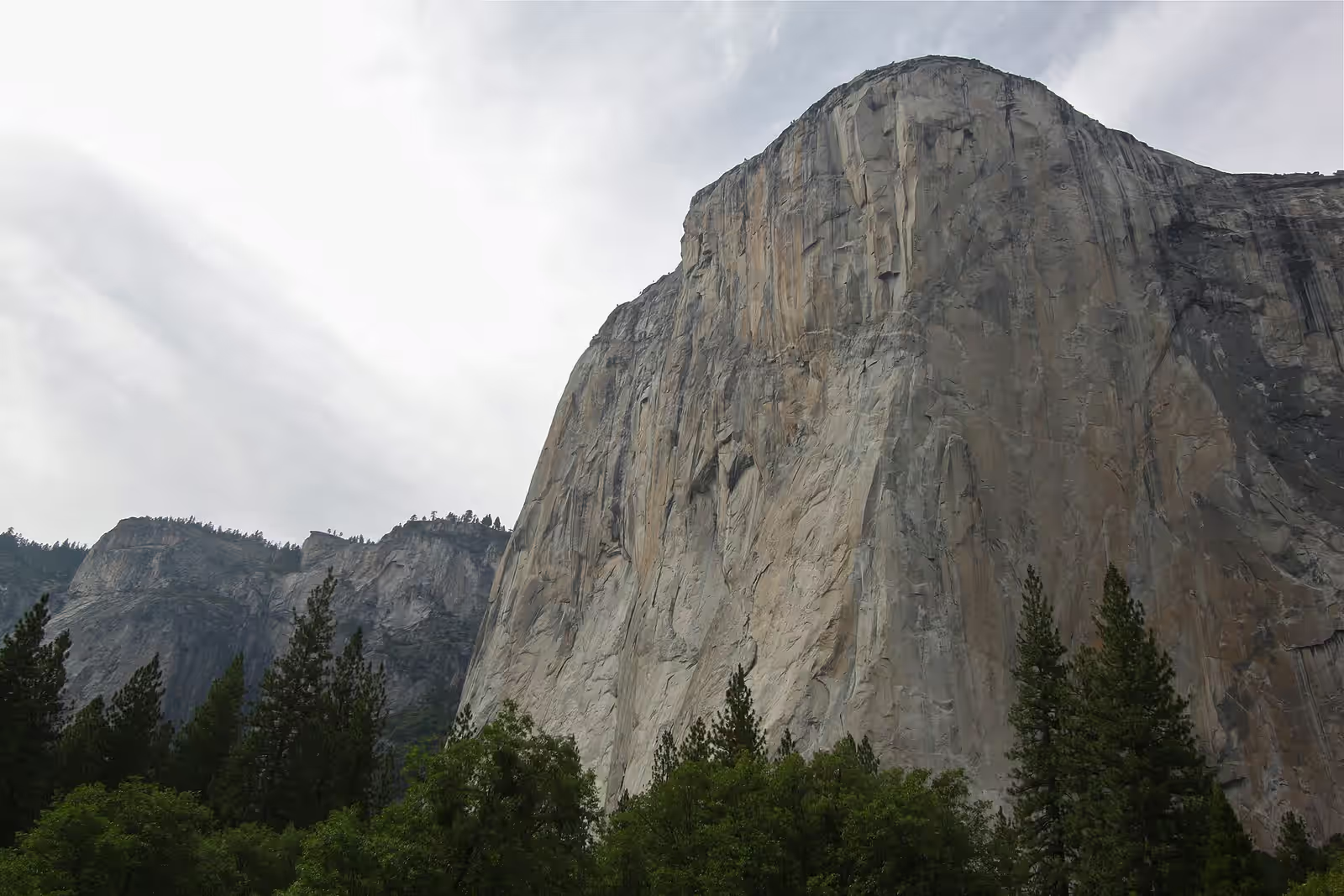
The home of big-wall climbing, where El Capitan and Half Dome rise a kilometre above the Valley floor.
Climbing5 sectorsSpain
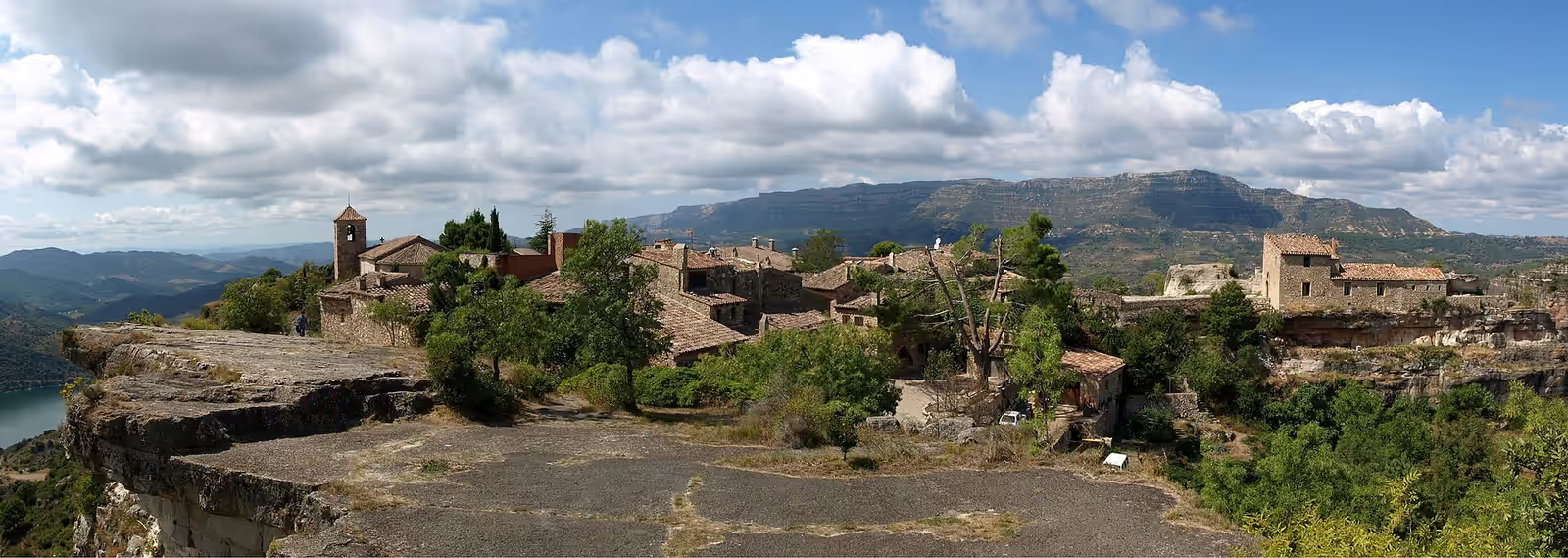
The cliff-top crag that shaped modern Spanish sport climbing.
Climbing3 sectorsUnited States
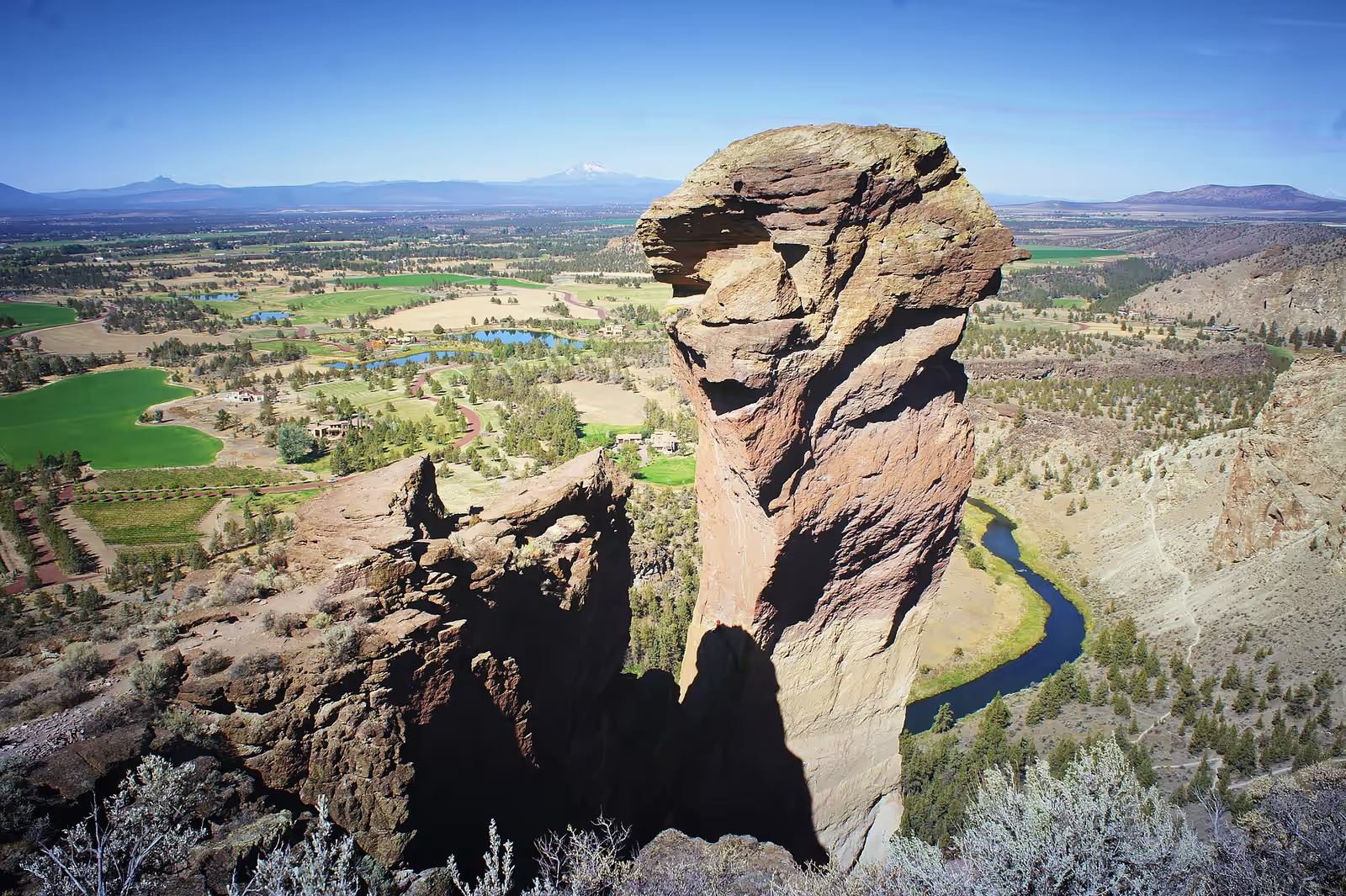
The birthplace of American sport climbing, on welded tuff above the Crooked River in central Oregon.
A short note when a batch of places worth the trip goes up. No spam, no operators, unsubscribe anytime.