Skip to content
Getaway

Fishing in Lofoten

Lofoten·Norway

Fishing in Lofoten

Photo: Røed 17:05, 26 May 2006 (UTC) (my father) · Wikimedia · CC BY 2.5

EpicGuide required

Why go

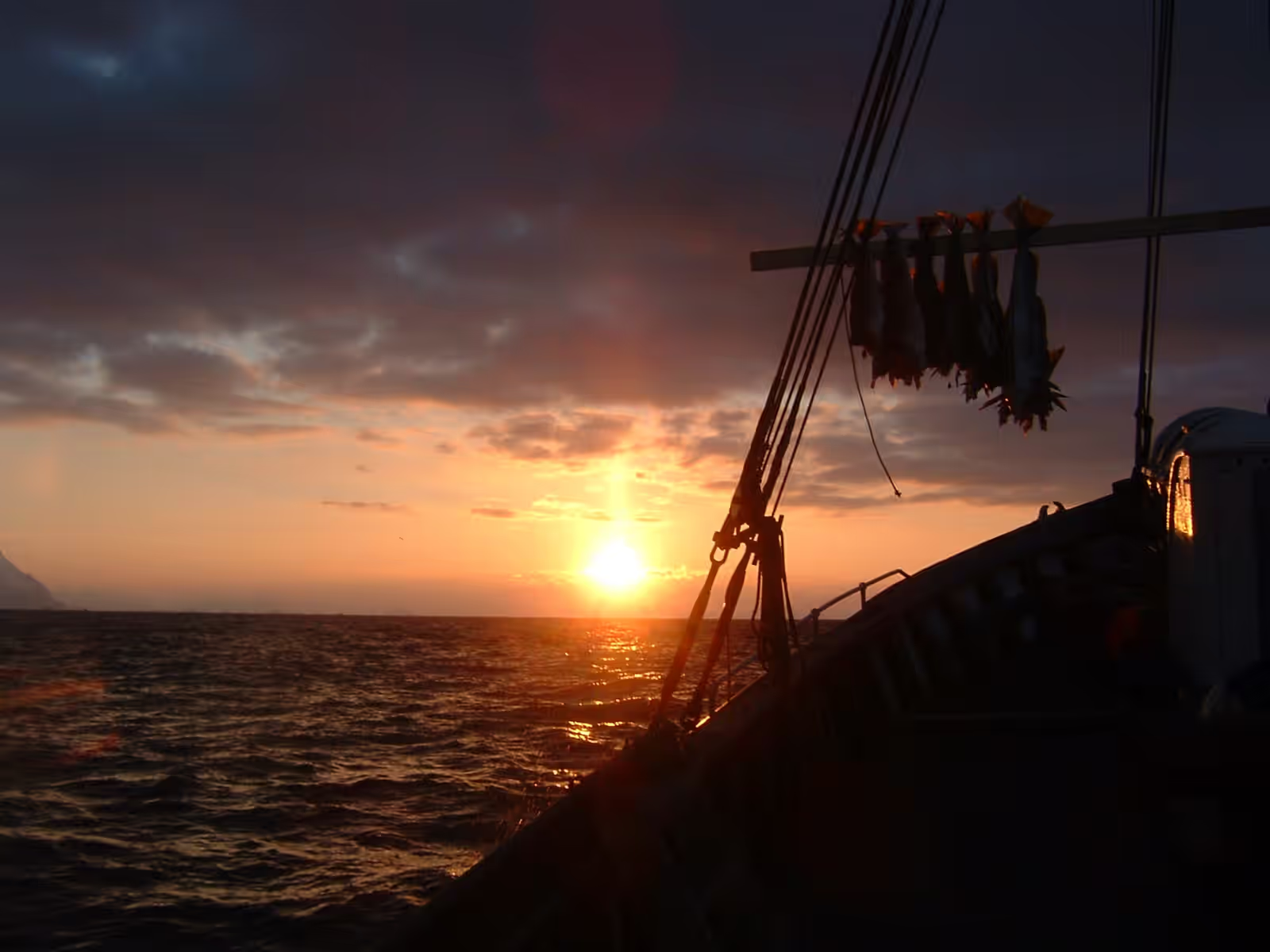
Every winter, millions of skrei — migratory Arctic cod — leave the Barents Sea and pour into the waters off Lofoten to spawn, and for at least six hundred years the islands' entire culture has been built around catching them.

The Lofotfiske is one of the oldest continuously practised fisheries on earth, the reason the red rorbu cabins and the wooden drying racks hung with cod line every harbour.

To join a winter fishing trip here is to take part in living history: heading out into the cold, short-lit days aboard a local boat, hauling handlines for big, silver skrei, and understanding why this remote coast was settled at all.

It combines a genuine catch, dramatic Arctic seascapes and a direct link to a tradition that shaped a nation's diet and its northern edge.

When

In season: Jan–Apr

Who it’s for

Skill
Beginner–Intermediate
Effort
Easy
Suitable from
10+ · Kid+
Crowds
Quiet
Cost
$$$

What to expect

A guided sea-fishing trip, usually a few hours aboard a local boat in the cold, short days of the winter skrei season, jigging or handlining for large Arctic cod over the spawning grounds.

Recreational sea fishing in Norway is free and needs no licence, and the technique is simple enough for beginners, but the setting is serious: winter seas can be rough and bitterly cold, so warm gear and a sound stomach help. Skippers know where the shoals are and provide the tackle.

Catches can be spectacular during a good run — skrei are big, powerful fish — though nothing on the sea is guaranteed. Beyond the fishing, you get raw Arctic coast, dramatic light and a window into the working culture of the islands.

How to start

Time your trip to the Lofotfiske, roughly January to April, when the skrei are in — the tail of the season overlaps with returning daylight and better weather.

Book a guided boat trip from a harbour such as Ballstad, Henningsvær or Reine; skippers supply rods, lines and local knowledge, and recreational sea angling needs no permit in Norway.

Dress for genuine Arctic cold and wet — thermal layers, waterproofs, hat and gloves — and take seasickness precautions if you're prone. Ask your operator about catch rules and quotas, which limit how much you may take home.

No experience is required, making it a great trip for families or first-time anglers, but do choose a settled-weather day, as winter storms cancel sailings and the sea here commands respect.
What else is in Lofoten

New adventures, now and then

A short note when a batch of places worth the trip goes up. No spam, no operators, unsubscribe anytime.