Ice walking- Length
- 4 days
- Kids
- Teen+
- Cost
- $$$
- Permit
- Not needed
- Crowd
- Quiet
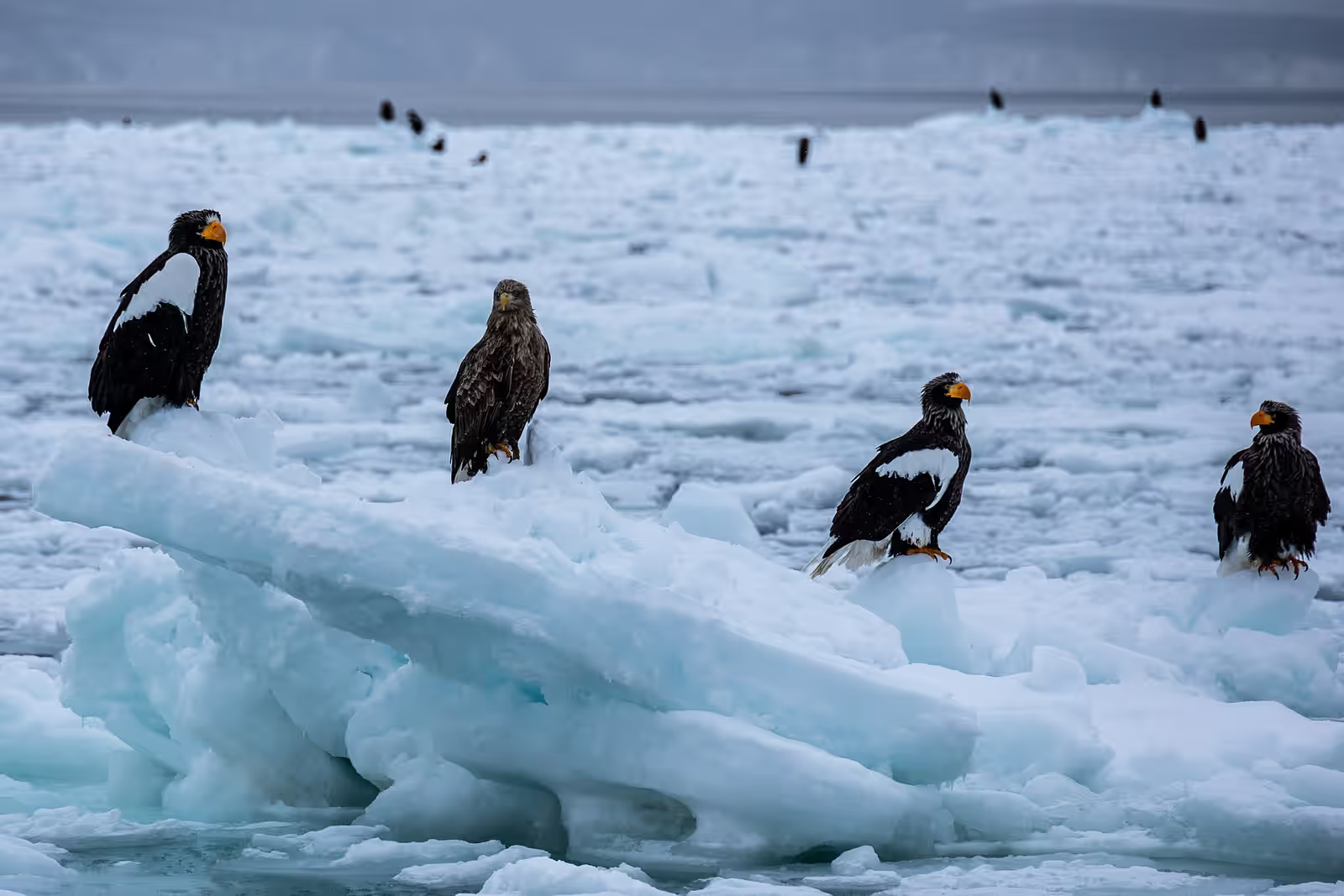
Ice walking in Shiretoko Peninsula
Japan
Four days on the Sea of Okhotsk in February, walking and floating on pack ice that arrived from Siberia.
Vatnajökull·Iceland

Photo: Davide Cantelli cant89 · Wikimedia · CC0
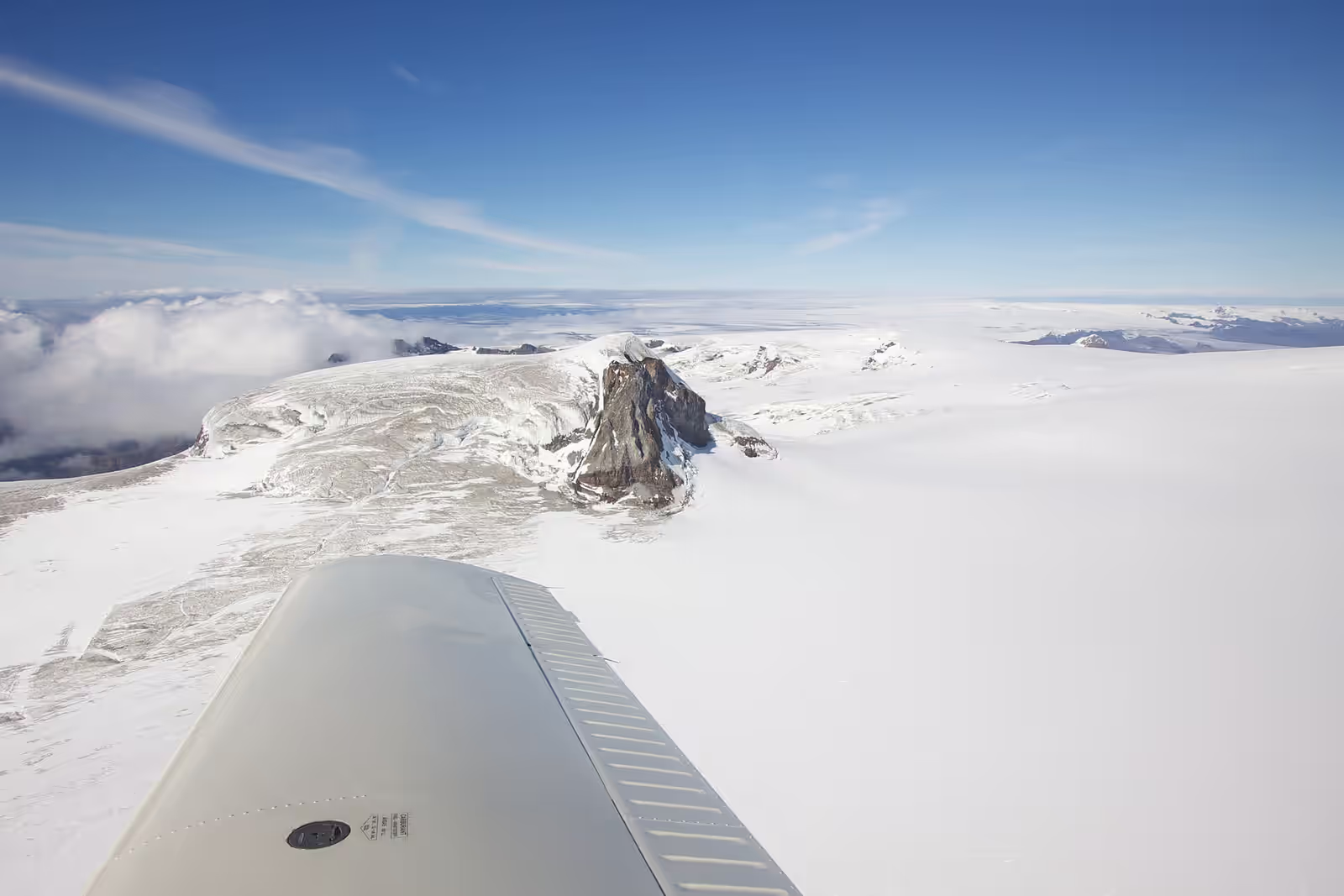
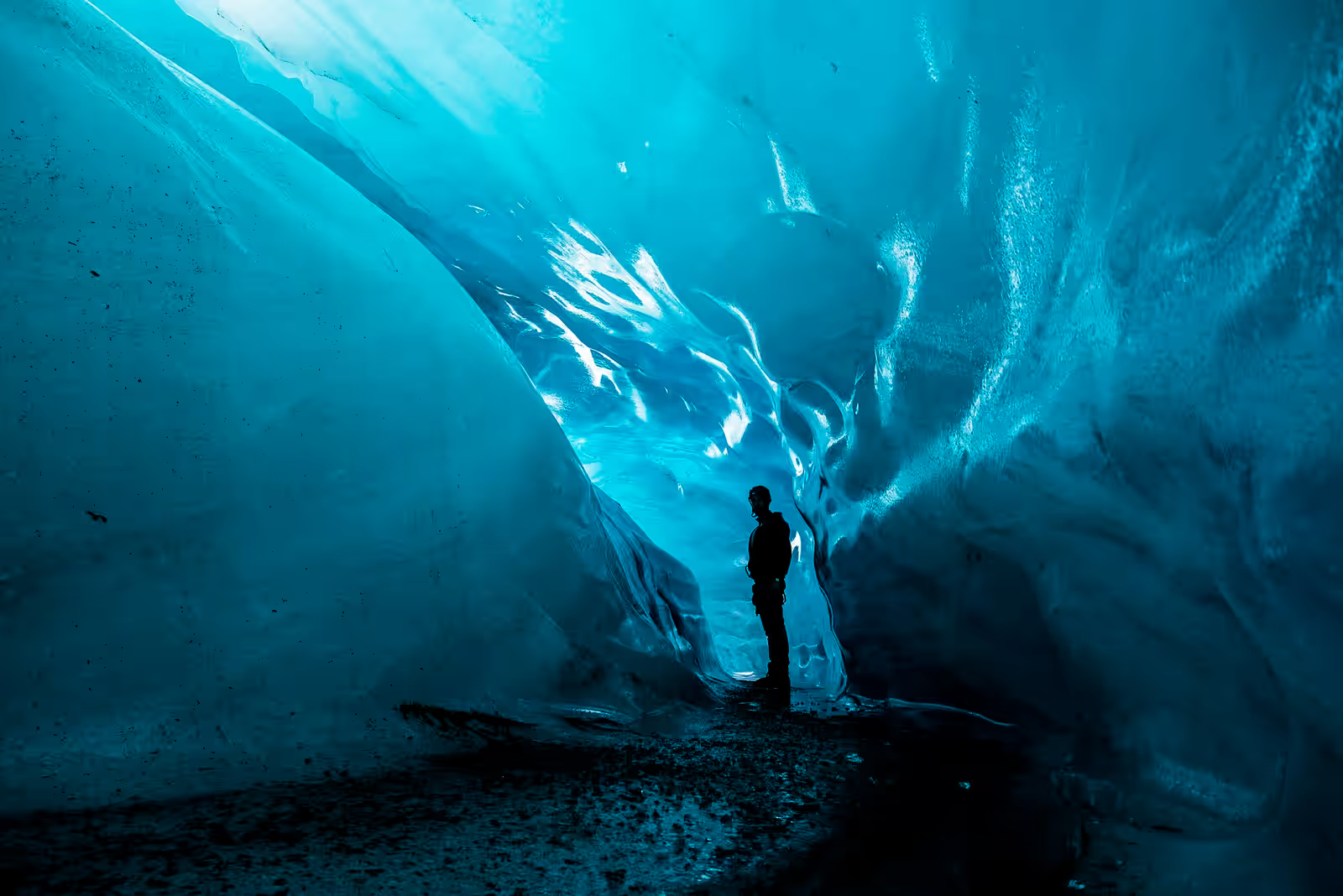
Vatnajökull is the largest ice cap in Europe, a frozen dome bigger than some countries, and in winter it opens a door found almost nowhere else: natural ice caves, scoured out by summer meltwater and refrozen into chambers of glassy, impossibly blue ice.
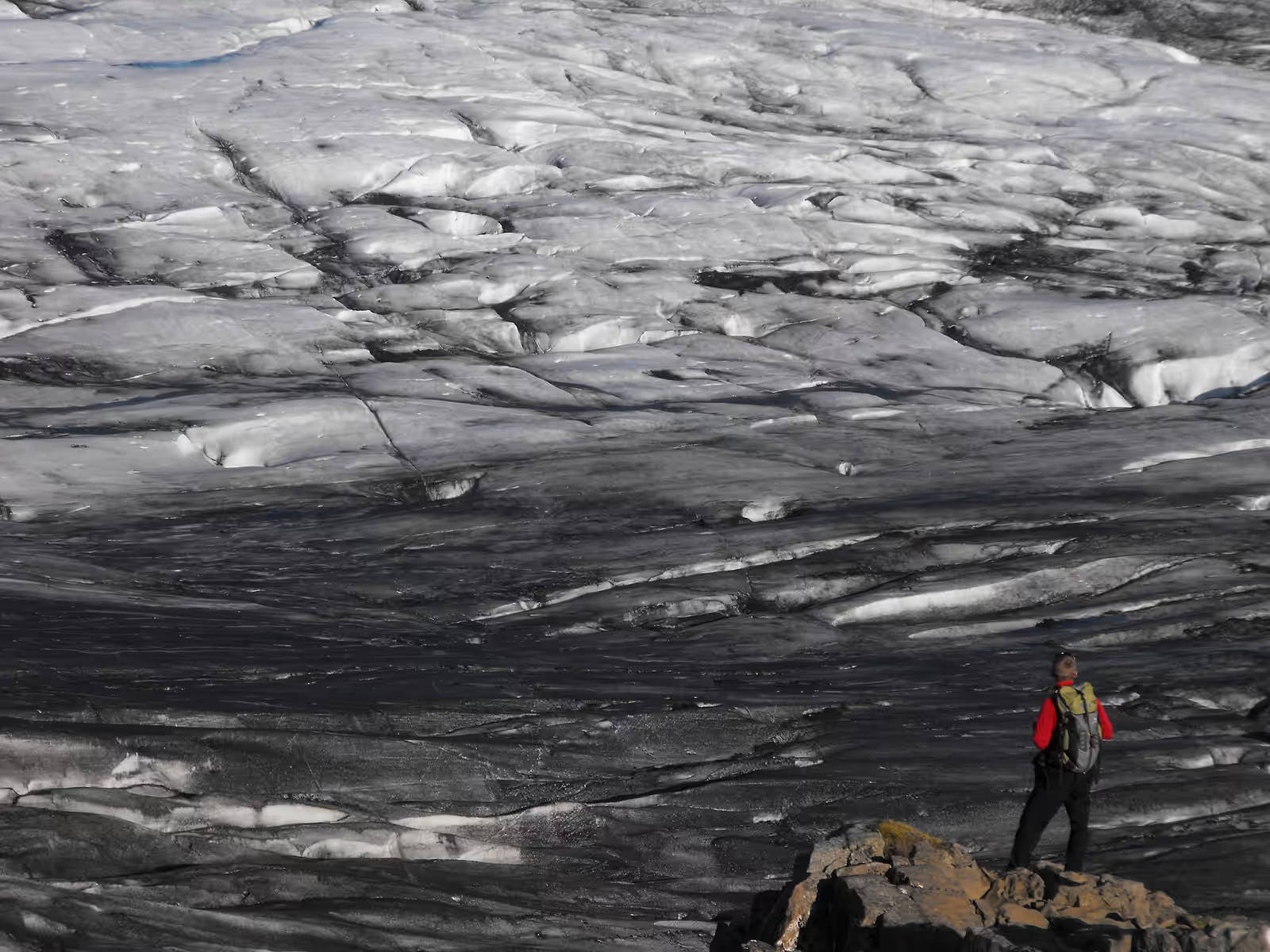
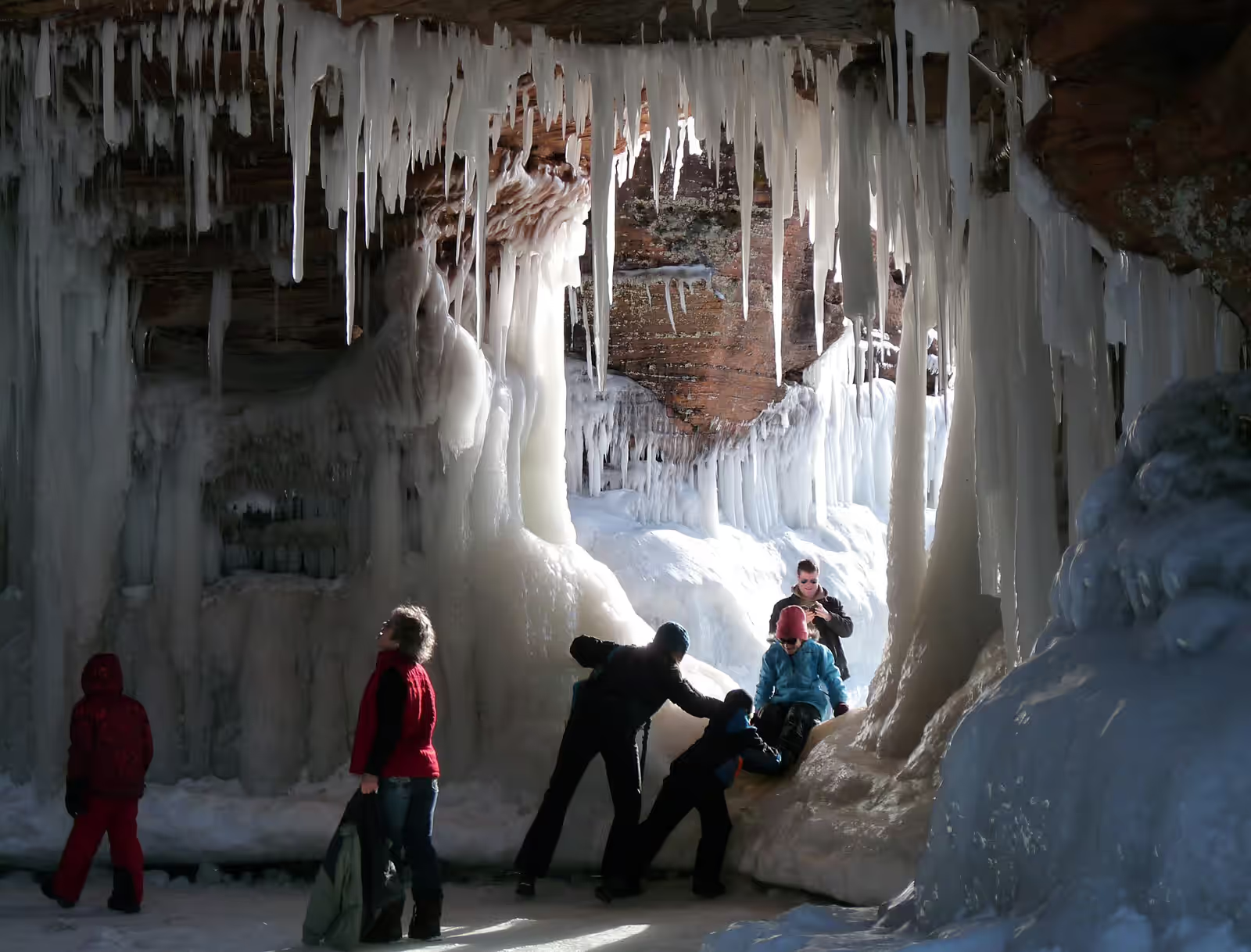
Between roughly November and March, when the glacier is cold and stable, you strap on crampons, walk out onto its surface past crevasses and moulins, and descend into these caves where daylight filters through metres of ice and turns everything a deep electric blue.
It is a genuinely otherworldly hour, and the walk to reach it — across a groaning, living glacier under the mountains of the southeast — is half the experience.
Because the caves form and collapse anew each year, no two winters are the same, which is exactly what makes each one feel like a discovery.
In season: Nov–Mar
A guided walk in crampons onto the surface of a living glacier, then a descent into a natural ice cave of deep blue, glassy ice.
The walking is not hard — steady crampon work over undulating ice, past crevasses and drainage holes your guide keeps you clear of — but it is cold, and the weather on the ice cap can be fierce.
The caves themselves are low-effort to enter but breathtaking inside, lit by daylight glowing through the ice. Because caves are seasonal and change yearly, exactly which one you visit depends on the winter's conditions. Helmets and crampons are provided. Suitable for reasonably fit beginners and older children.
Ice caves run only in the cold months, roughly November to March, when the glacier is stable enough to enter safely — and they can only be visited with a licensed glacier guide, never alone, since the ice is alive and hazards shift constantly.
Book a tour ahead; most depart from Jökulsárlón or the Skaftafell area in southeast Iceland, a few hours from Reykjavík. Guides supply crampons, helmet and safety gear; you bring warm, waterproof layers and sturdy boots.
Confirm your trip close to the date, as tours are weather- and condition-dependent and the exact cave changes with the season. Children from around eight can usually join.
A short note when a batch of places worth the trip goes up. No spam, no operators, unsubscribe anytime.