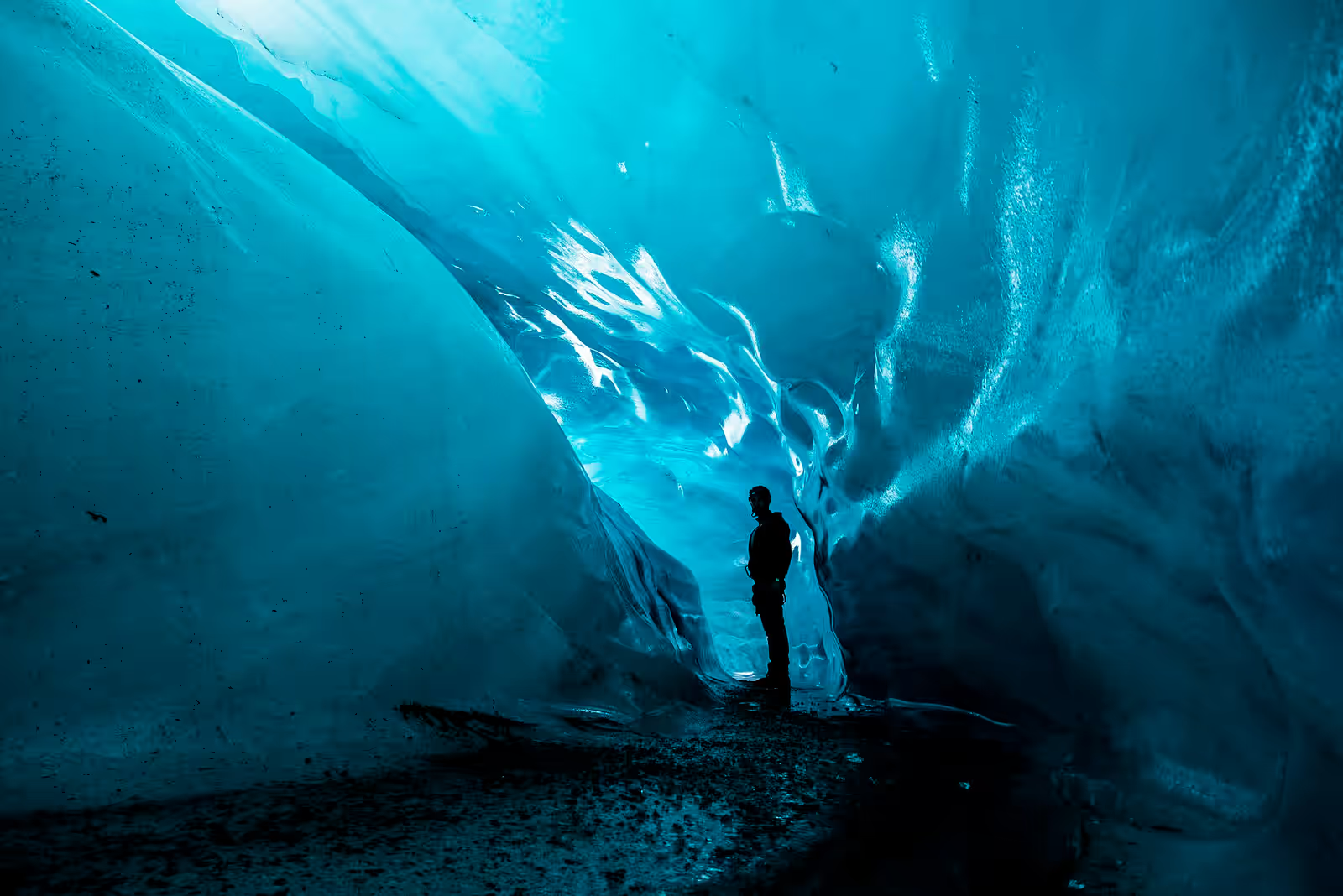
 Ice walking
- Duration
- Flexible
- Kids
- Kid+
- Cost
- $$$
- Permit
- Not needed
- Crowd
- Steady
Ice walking in Vatnajökull
Iceland
A crampon walk onto Europe's largest ice cap and down into its winter blue caves.
Skill · Beginner–Intermediate
Austurland·Iceland
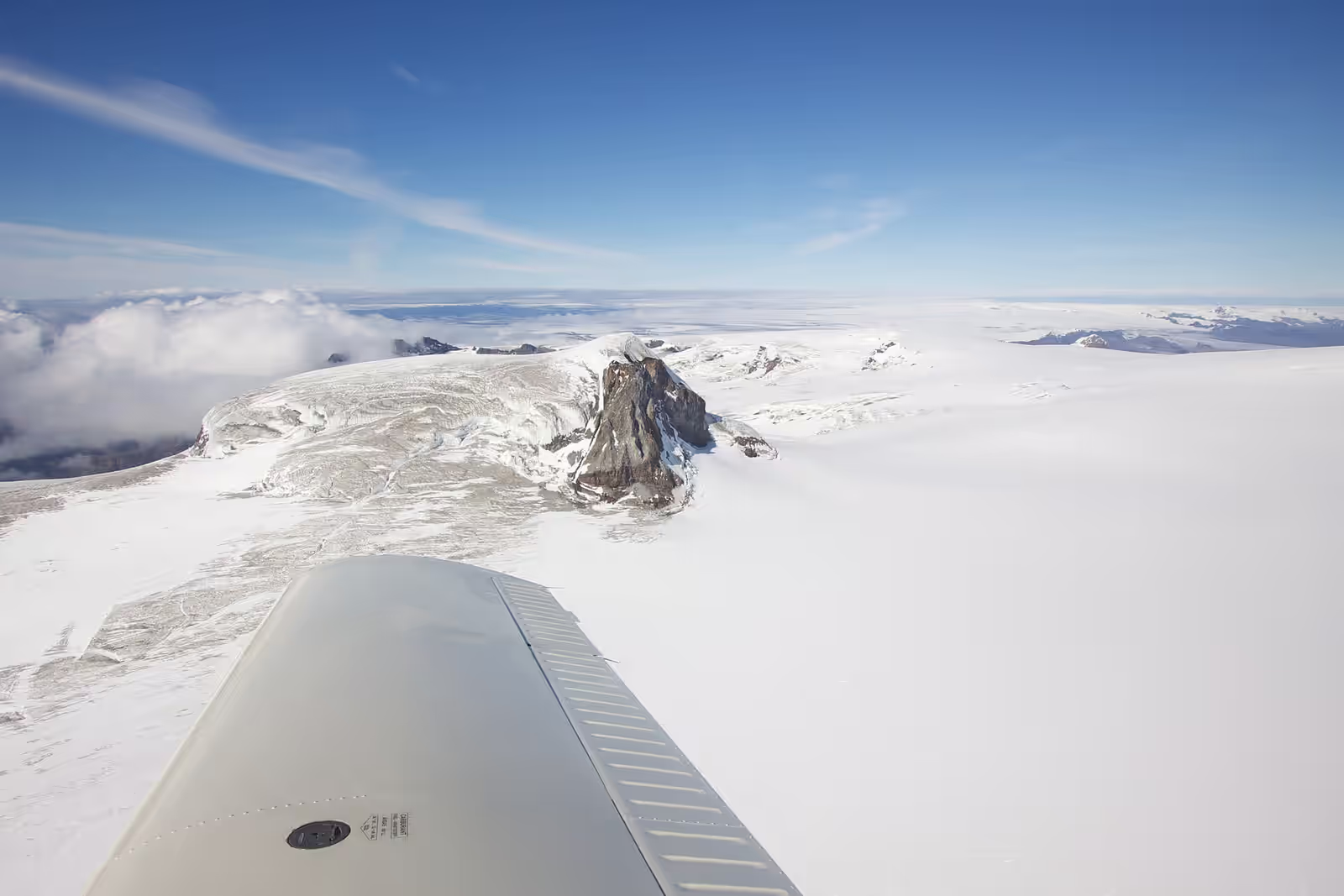
Photo: Boaworm · Wikimedia · CC BY-SA 3.0
Hvannadalshnúkur, rising to 2,110 metres on the rim of an ancient caldera on Vatnajökull's southern edge, is the highest point in Iceland — and reaching it is one of the country's great mountaineering days.
It's not technically extreme, but it is huge: a fifteen-hour, roughly 2,000-metre round trip that starts before dawn, climbs endless snow slopes and glacier onto the ice cap, weaves through crevasse fields, and finishes up a final steep pitch to a summit with the whole of southern Iceland — ice, ocean and volcano — laid out beneath you.
It's a pure test of endurance, glacier skill and weather luck rather than difficulty, the kind of long, committing day that makes hillwalkers into mountaineers.
Standing on the roof of Iceland after such an effort, with the ice cap rolling away in every direction, is a summit you earn and never forget.
In season: May–Jul
A single enormous glacier mountaineering day — typically 14 to 16 hours and around 2,000 m of ascent — on snow and crevassed ice, roped up and wearing crampons, with a short steeper section near the top.
It's graded easy alpine (PD) technically, but the length, altitude for Iceland, crevasse navigation and exposure to fast-changing Arctic weather make it serious. You need genuine hill fitness and stamina, comfort on crampons and a rope, and the mental resilience for a very long day that starts in the dark.
Weather can turn the mountain back at any point. Guides handle the glacier route-finding and safety, which are essential here. The climbing itself is straightforward; the endurance and conditions are the challenge. The reward is the summit of Iceland and a day among pure ice and volcano.
The season is roughly May to July, when the route is in condition. Go with an IFMGA/certified Icelandic mountain guide unless you're an experienced glacier mountaineer — the crevasse navigation and weather judgement are not to be improvised.
Book ahead and arrive genuinely fit: this is an endurance event, so train with long hill days beforehand. You'll need full glacier kit (crampons, ice axe, harness, warm and waterproof layers); guides can advise on or supply technical gear.
Start in the dark, pace yourself, eat and drink steadily, and be prepared to turn back for weather — building in a spare day helps.
It's the highest summit in the country and a long, wild day out; treat it with respect, and it's one of the most rewarding mountaineering objectives Iceland offers.
Ice walkingIceland
A crampon walk onto Europe's largest ice cap and down into its winter blue caves.
 Trekking4 routes
Iceland
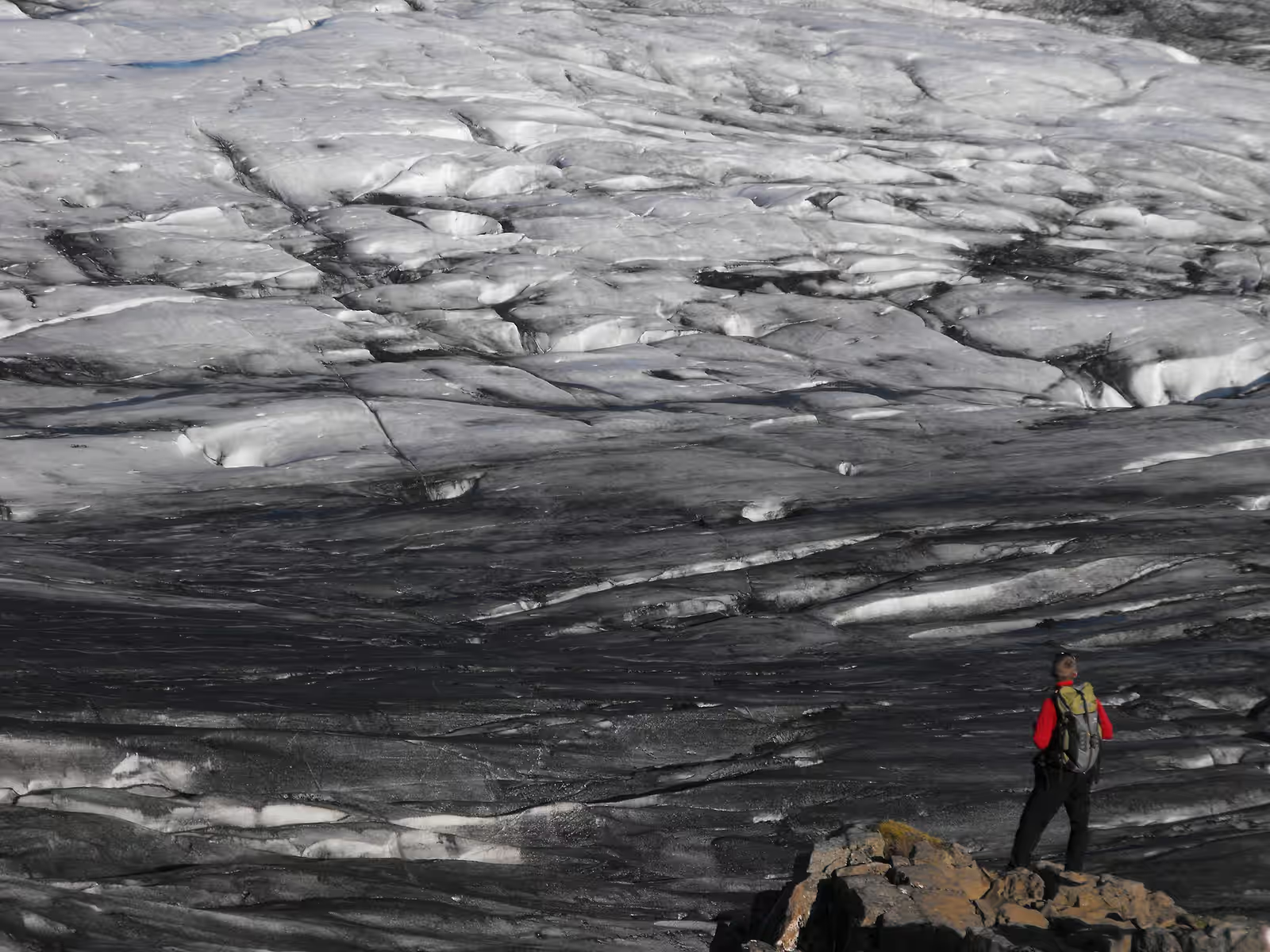
The Skaftafell–Kverkfjöll crossing of Europe's largest ice cap by volume.
 Trekking4 routes
Iceland
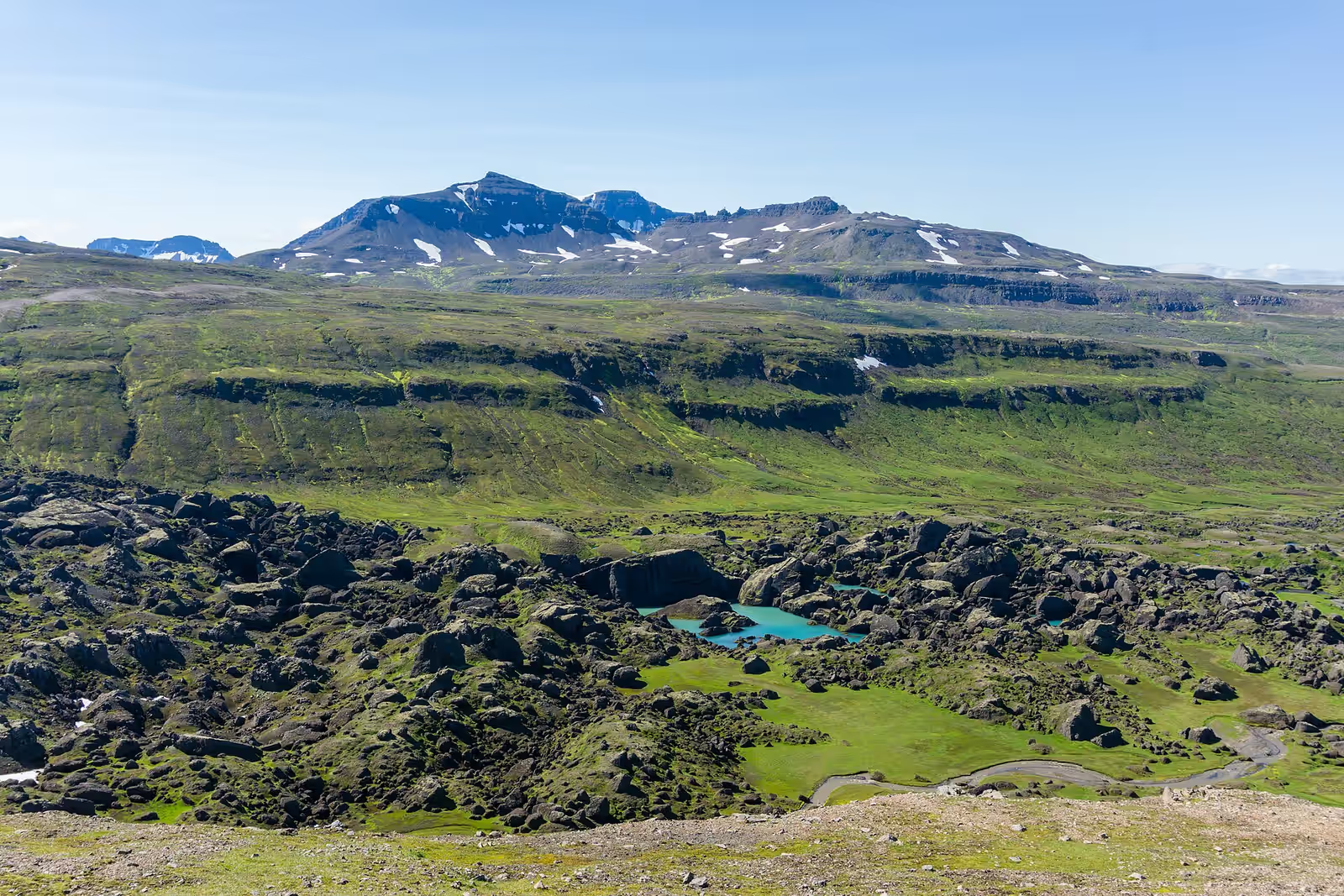
Stórurð — the boulder field and turquoise pools cradled under the jagged Dyrfjöll.
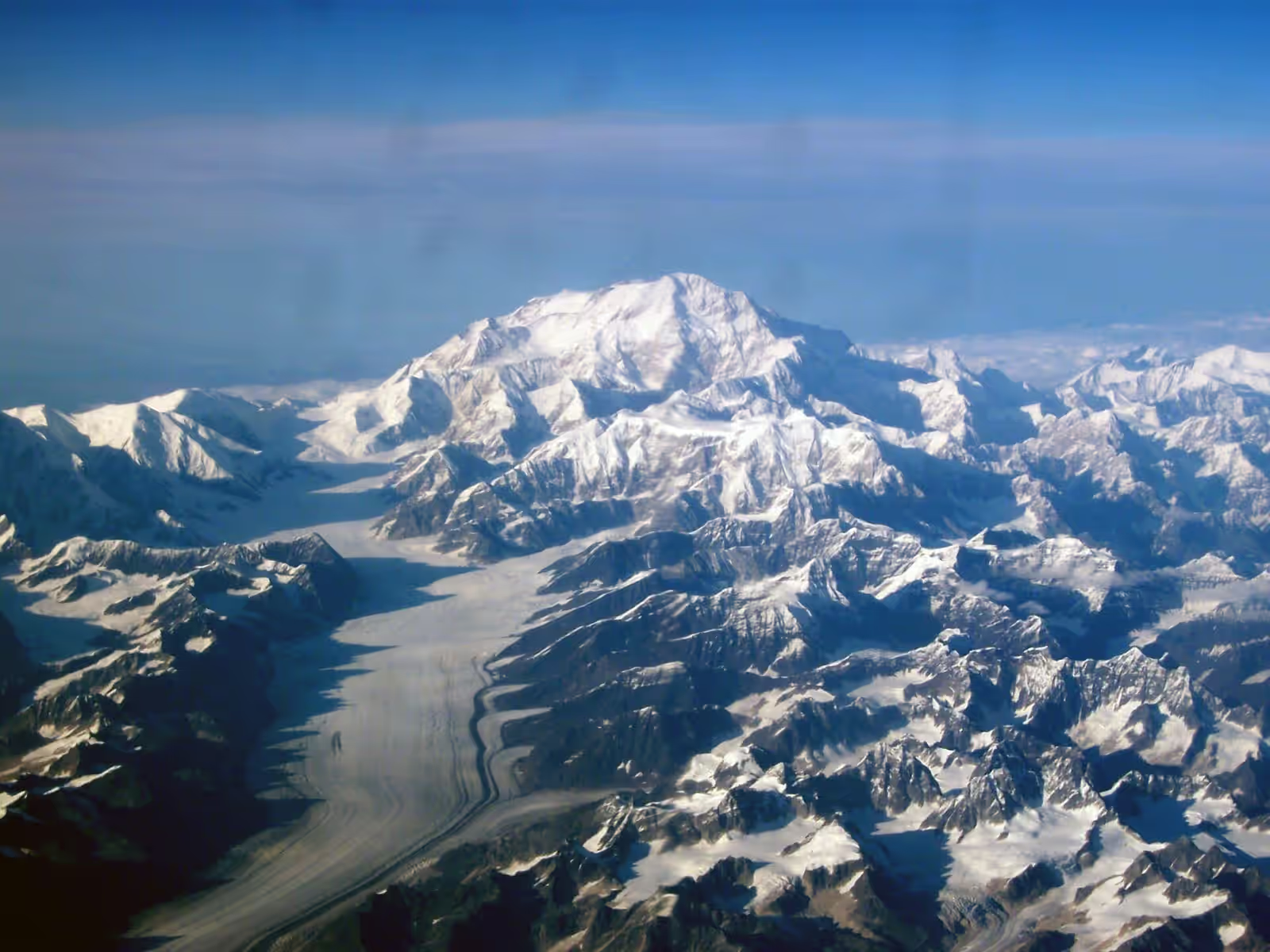 Mountaineering3 routes
United States
Three weeks on the glaciers of the highest mountain in North America, 6,190 m above the Alaska Range.
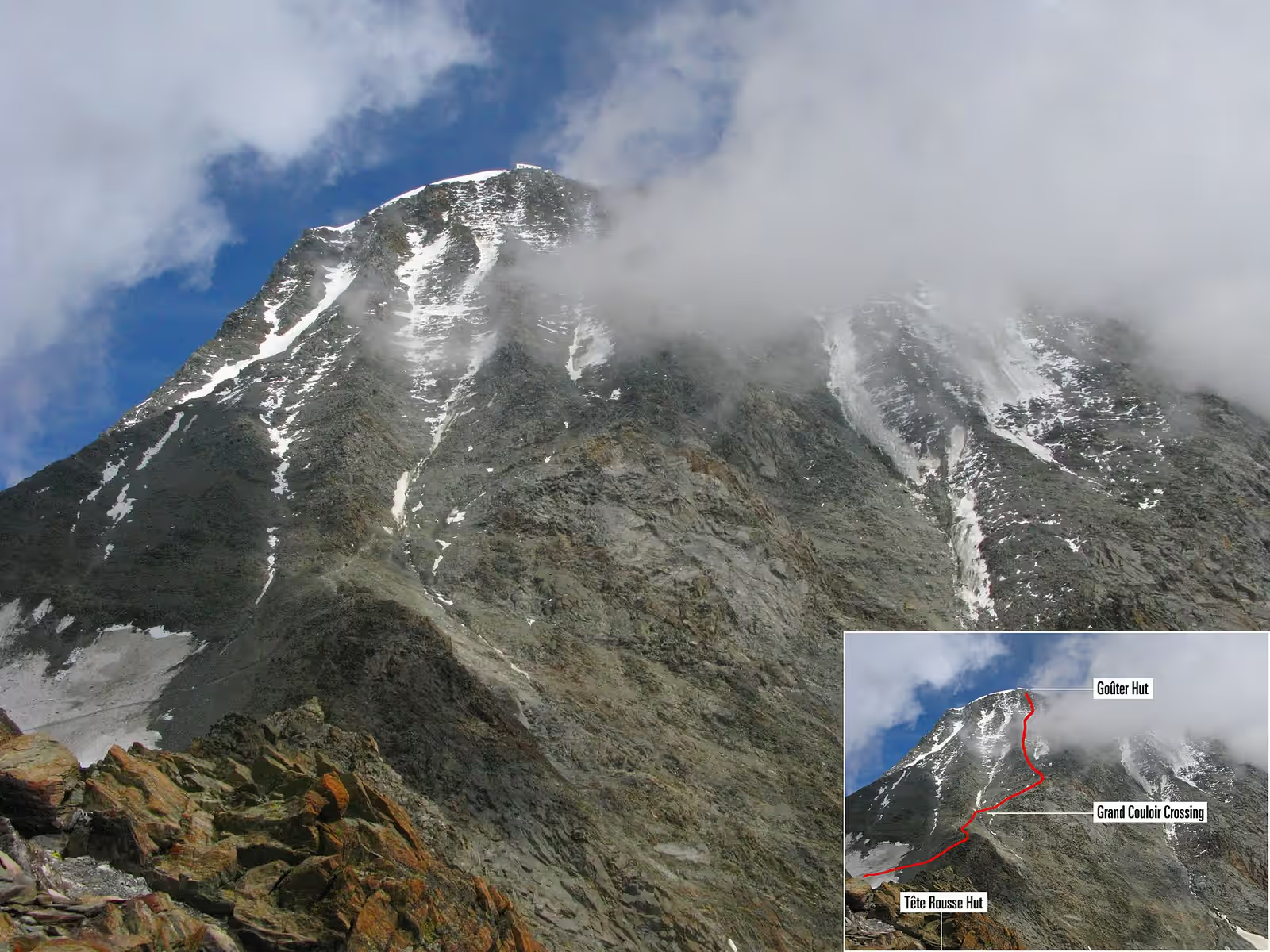 Mountaineering
France
The Goûter route to the 4,808 m roof of the Alps — glacier, snow ridge and thin air.
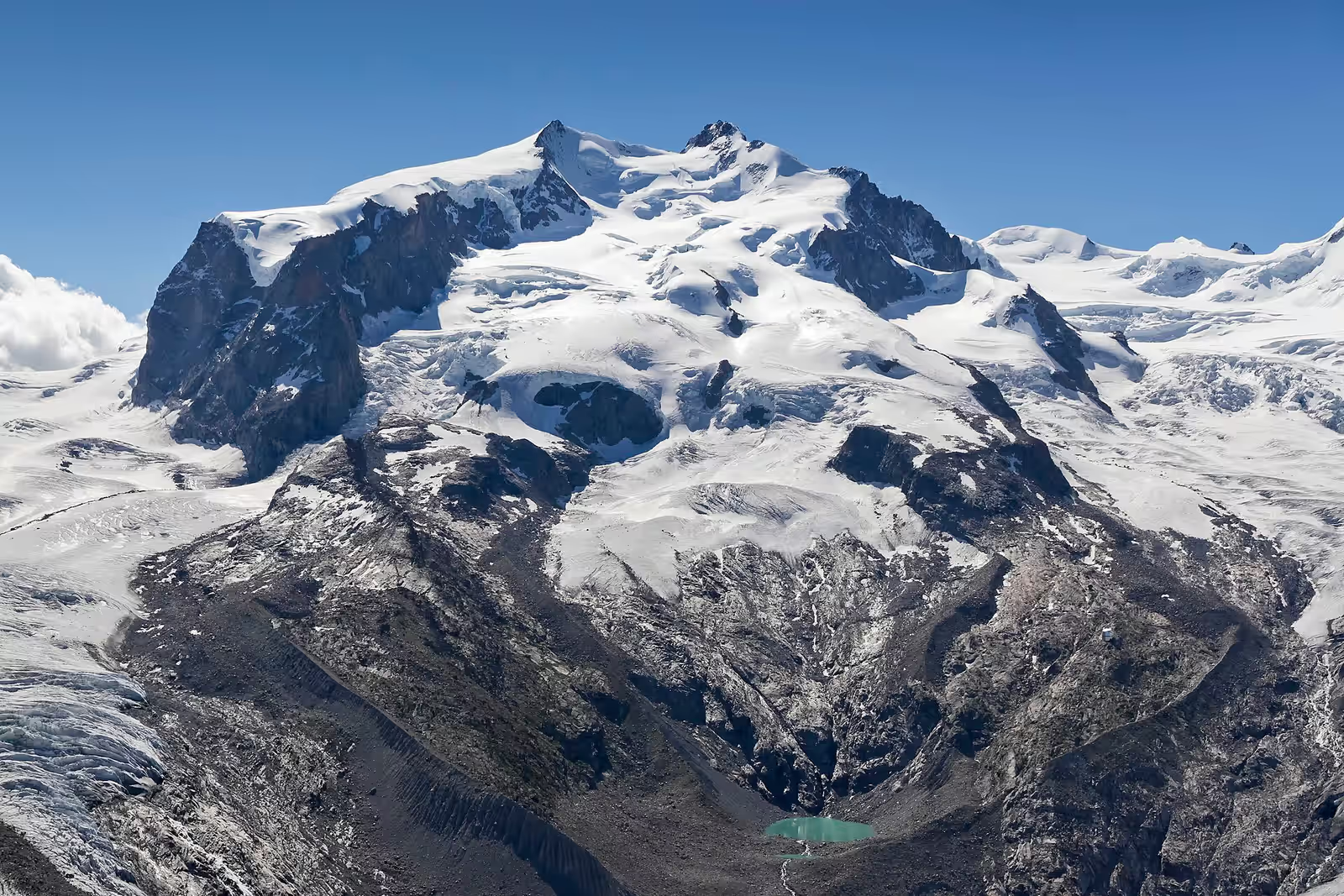 Mountaineering
Switzerland
The Spaghetti Tour: five days hut to hut across the glaciers, bagging six 4,000-metre summits.
A short note when a batch of places worth the trip goes up. No spam, no operators, unsubscribe anytime.