Skip to content
Getaway

Mountaineering in Mount Ishizuchi

Shikoku·Japan

Mountaineering in Mount Ishizuchi

Photo: Vickerman625 · Wikimedia · CC BY-SA 3.0

Epic~2 days

Why go

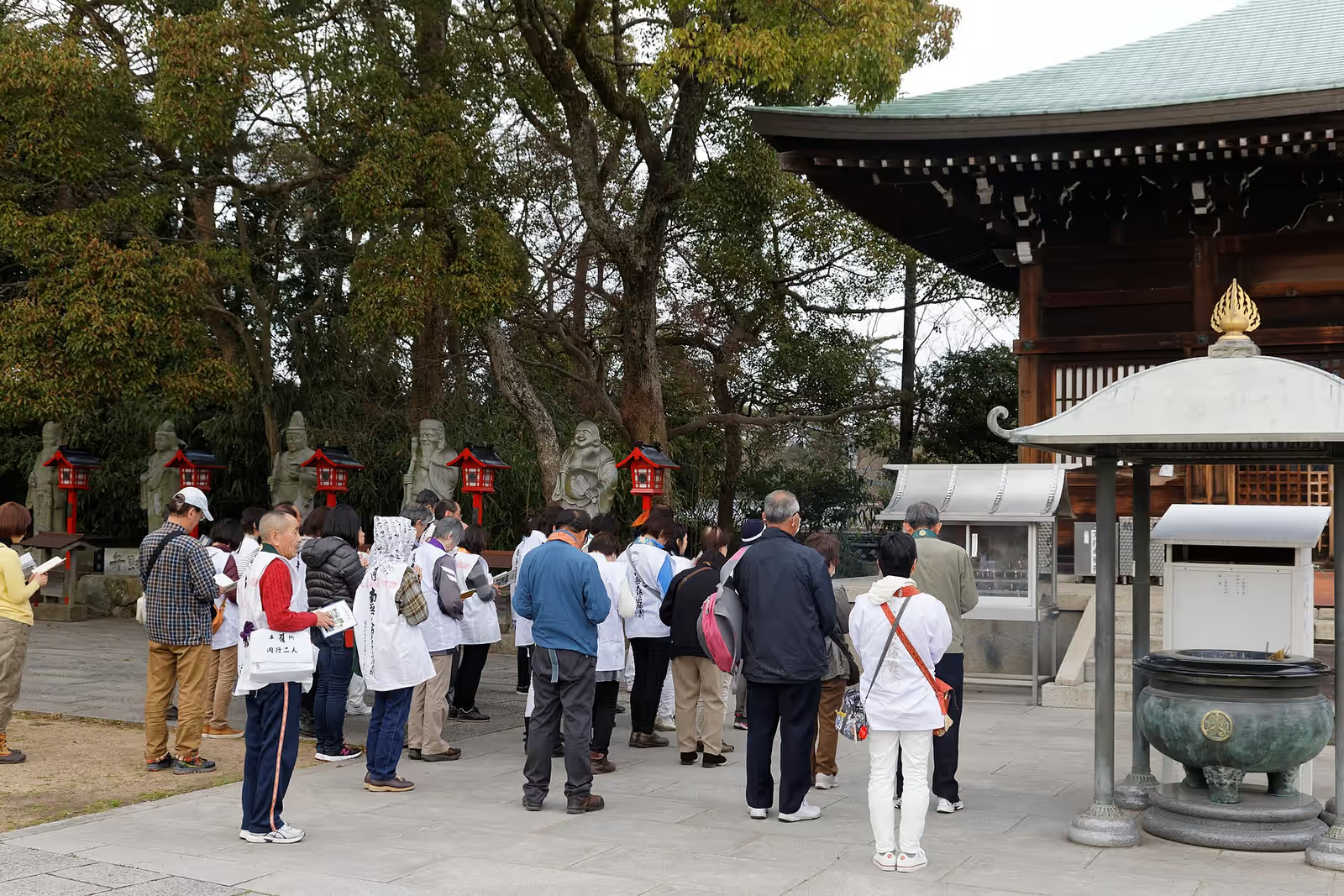
Ishizuchi is the highest peak in western Japan at 1,982 metres and one of the country's seven sacred mountains, first climbed in the seventh century by the founder of Shugendō and still walked by white-robed pilgrims in their thousands each July. There is a perfectly good bypass path to the top, and no shame in taking it.

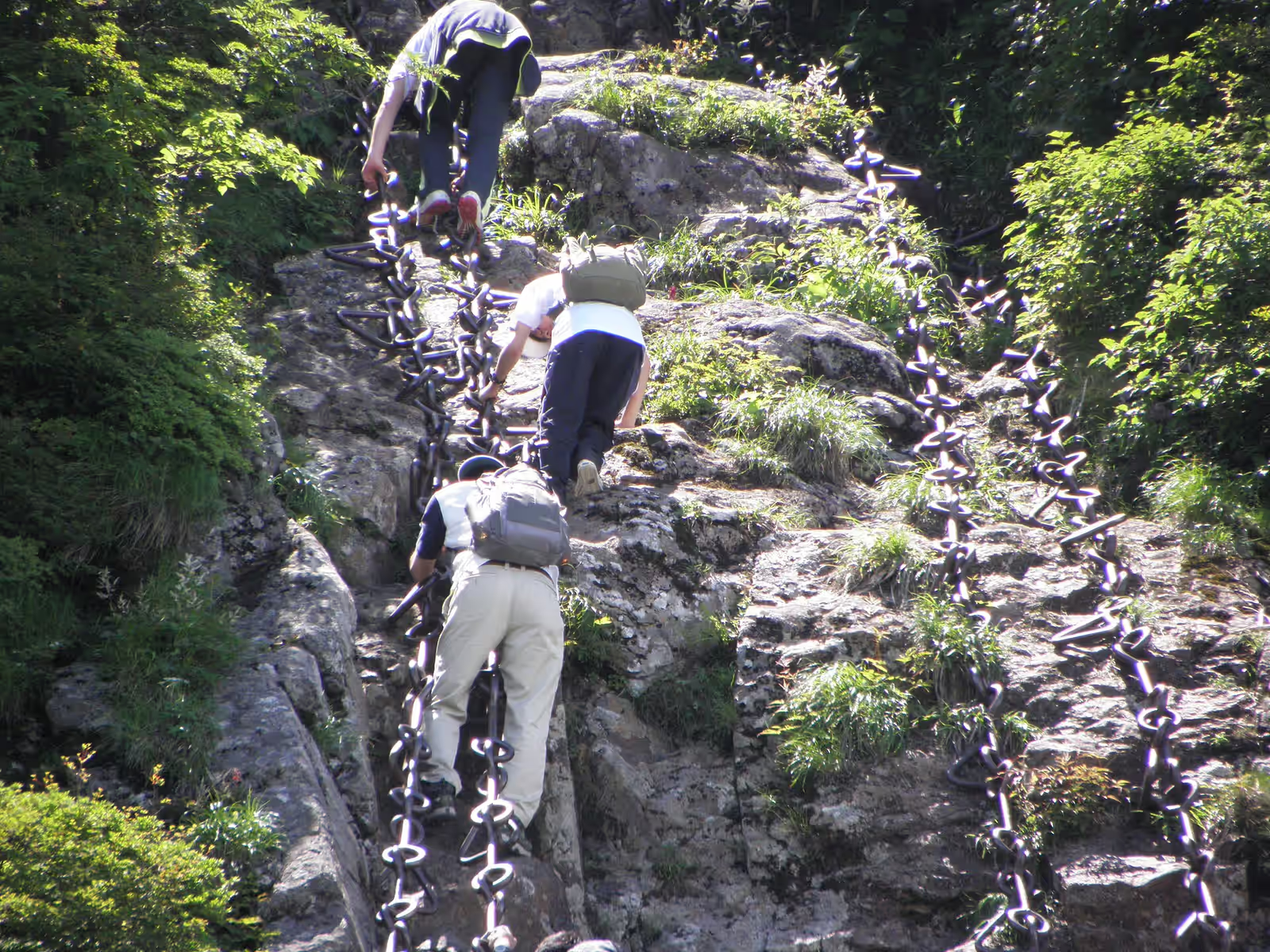
The alternative is the reason to come. Sets of massive iron chains — kusari — hang down near-vertical rock, the last and longest around sixty-eight metres at close to eighty degrees, and you haul yourself up them hand over hand exactly as pilgrims have for centuries. It is pure grip and upper-body work, the most physical hour on this whole list, with a ropeway to spare your legs on the lower approach.

The chains are closed in winter and can be shut in the wet. Come in spring or autumn, when the rock is dry and the crowds of the mountain-opening festival have thinned.

When

In season: Apr–Jun, Oct–Nov

Who it’s for

Skill
Intermediate–Advanced
Effort
Moderate
Suitable from
13+ · Teen+
Crowds
Steady
Cost
$$

Mountaineering specifics

Summit
1982 m
Chain sections
3
Training focus
grip and pulling strength
Longest chain
68 m
Bypass available
Yes

What to expect

Ishizuchi is the highest peak in western Japan at 1,982 metres and one of its seven sacred mountains, still walked by white-robed pilgrims in their thousands each July. A perfectly good bypass path reaches the top — but the reason to come is the chains.

Sets of massive iron kusari hang down near-vertical rock, the last and longest around sixty-eight metres at close to eighty degrees, and you haul yourself up hand over hand as pilgrims have for centuries.

It is pure grip and upper-body work, probably the most physical hour on this whole list, with a ropeway to spare your legs on the lower approach. There is no shame in taking the bypass.

How to start

Come in spring or autumn — April to June or October–November — when the rock is dry and the mountain-opening festival crowds have thinned; the chains are closed in winter and can be shut in the wet.

Use the ropeway to cover the lower approach and save energy for the climb.

No guide or permit is needed, but the kusari demand real grip and pulling strength and a head for heights, so train for that and know the bypass is always there if a section feels beyond you. Base around the ropeway or the trailhead and allow two days.

Gloves help on the iron.

What else is in Shikoku

Mountaineering elsewhere

Good to know

Who it's for
Teenagers and up. Skill: intermediate to advanced.
How long
2 days. A long weekend.
Permits and guides
No permit and no guide required. Turn up and go.
When to go
Best months: Apr, May, Jun, Oct, Nov.

New adventures, now and then

A short note when a batch of places worth the trip goes up. No spam, no operators, unsubscribe anytime.