Skip to content
Getaway

Walking in Shikoku

Shikoku·Japan

Walking in Shikoku

Photo: KimonBerlin · Wikimedia · CC BY-SA 2.0

Epic~45 days

Why go

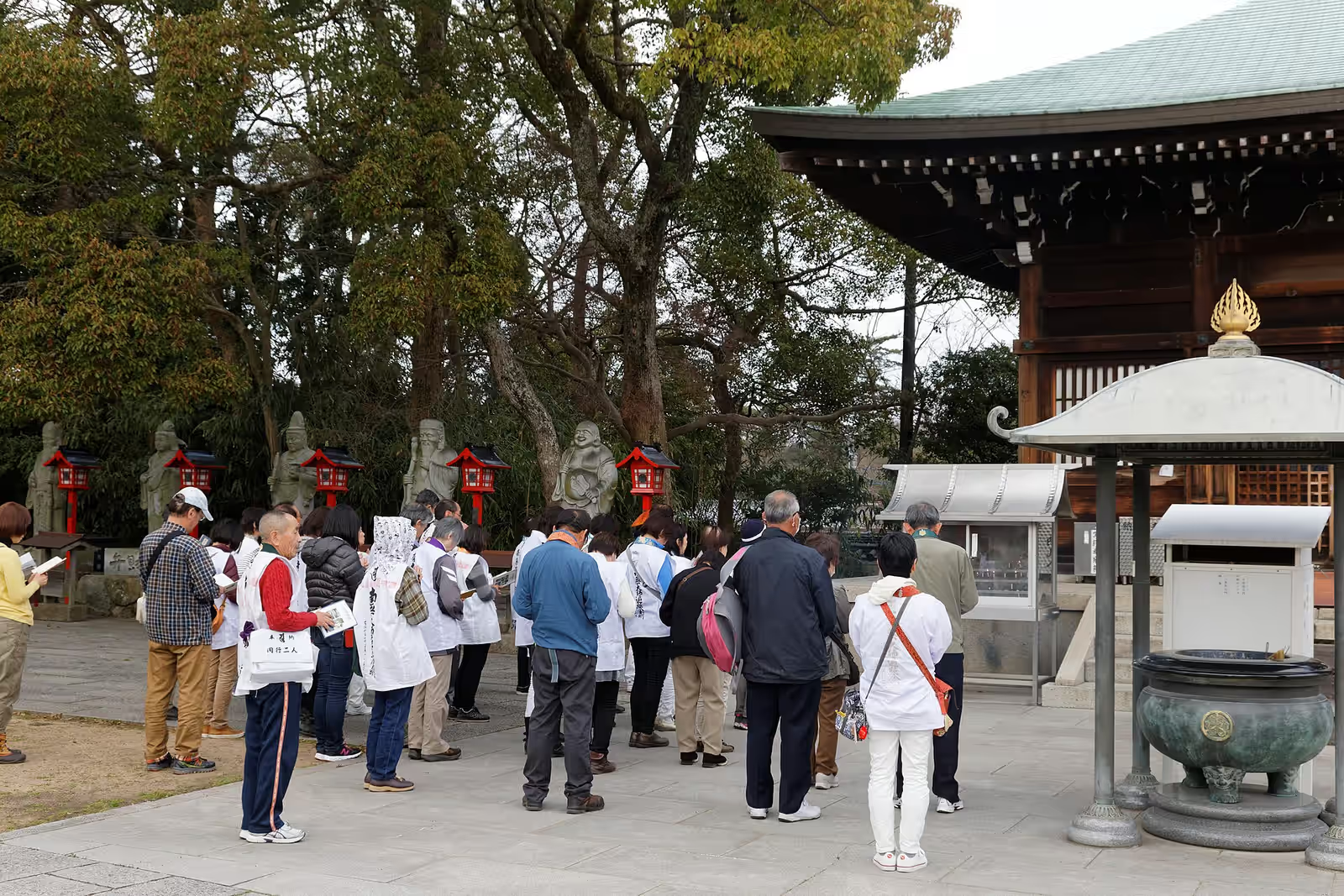
The Ohenro circles the whole island of Shikoku, visiting eighty-eight temples associated with Kūkai, the monk who shaped Japanese Buddhism, and most modern pilgrims now ride it by bus. Walking it is a different order of undertaking: around 1,200 kilometres and roughly six weeks, enough to wear out a pair of shoes and to change how the days feel.

What makes the walking version singular is osettai — the living tradition by which strangers hand food, drink or small kindnesses to walking pilgrims as an offering. You move through rural Japan at footpace, in white vest and conical hat, sleeping in minshuku, temple lodgings and free huts, and the sheer duration does something the shorter pilgrim trails cannot. It is the Camino's older, harder, far quieter cousin.

Summer heat and humidity make walking genuinely dangerous, and winter closes some of the mountain temple approaches. Spring and autumn are the seasons; the rest is a matter of time, and having six weeks to give it.
When

In season: Mar–May, Oct–Nov

Who it’s for

Skill
Intermediate–Advanced
Effort
Demanding
Suitable from
Not specified
Crowds
Quiet
Cost
$$$

Walking specifics

Days
45
Distance
1200 km
Temples
88
Tradition
osettai — gifts to walking pilgrims
Accommodation
minshuku, temple lodging, free huts

What to expect

The Ohenro circles the whole island of Shikoku, visiting eighty-eight temples associated with Kūkai, the monk who shaped Japanese Buddhism — and most modern pilgrims ride it by bus.

Walking it is a different order of undertaking: around 1,200 kilometres and roughly six weeks, enough to wear out a pair of shoes and change how the days feel.

What makes the walking version singular is osettai — the living tradition by which strangers hand food, drink or small kindnesses to walking pilgrims as an offering. You move through rural Japan at footpace, in white vest and conical hat, sleeping in minshuku, temple lodgings and free huts.

It is the Camino's older, harder, far quieter cousin.

How to start

Walk in spring or autumn — March–May or October–November — since summer heat and humidity make the effort genuinely dangerous, and winter closes some mountain temple approaches. The real requirement is time: six weeks to give it, and the fitness for consecutive long days.

No permit or guide is needed, and the route is walkable independently with a good guidebook or map. Sleep in a mix of minshuku, temple lodgings and free huts along the way.

Come in the traditional white garb if you wish; it marks you as a walking pilgrim and invites osettai. Break your shoes and feet in well beforehand.

What else is in Shikoku

Walking elsewhere

Good to know

Who it's for
Adults. No stated minimum, but this one assumes independence. Skill: intermediate to advanced.
How long
45 days. Plan your year around it.
Permits and guides
No permit and no guide required. Turn up and go.
When to go
Best months: Mar, Apr, May, Oct, Nov.

New adventures, now and then

A short note when a batch of places worth the trip goes up. No spam, no operators, unsubscribe anytime.