Skip to content
Getaway

Mountaineering in Mount St. Helens

Washington·United States

Mountaineering in Mount St. Helens

Photo: US Forest Service, Pacific Northwest Region · Wikimedia Commons (Public domain)

Epic~2 daysPermit required

Why go

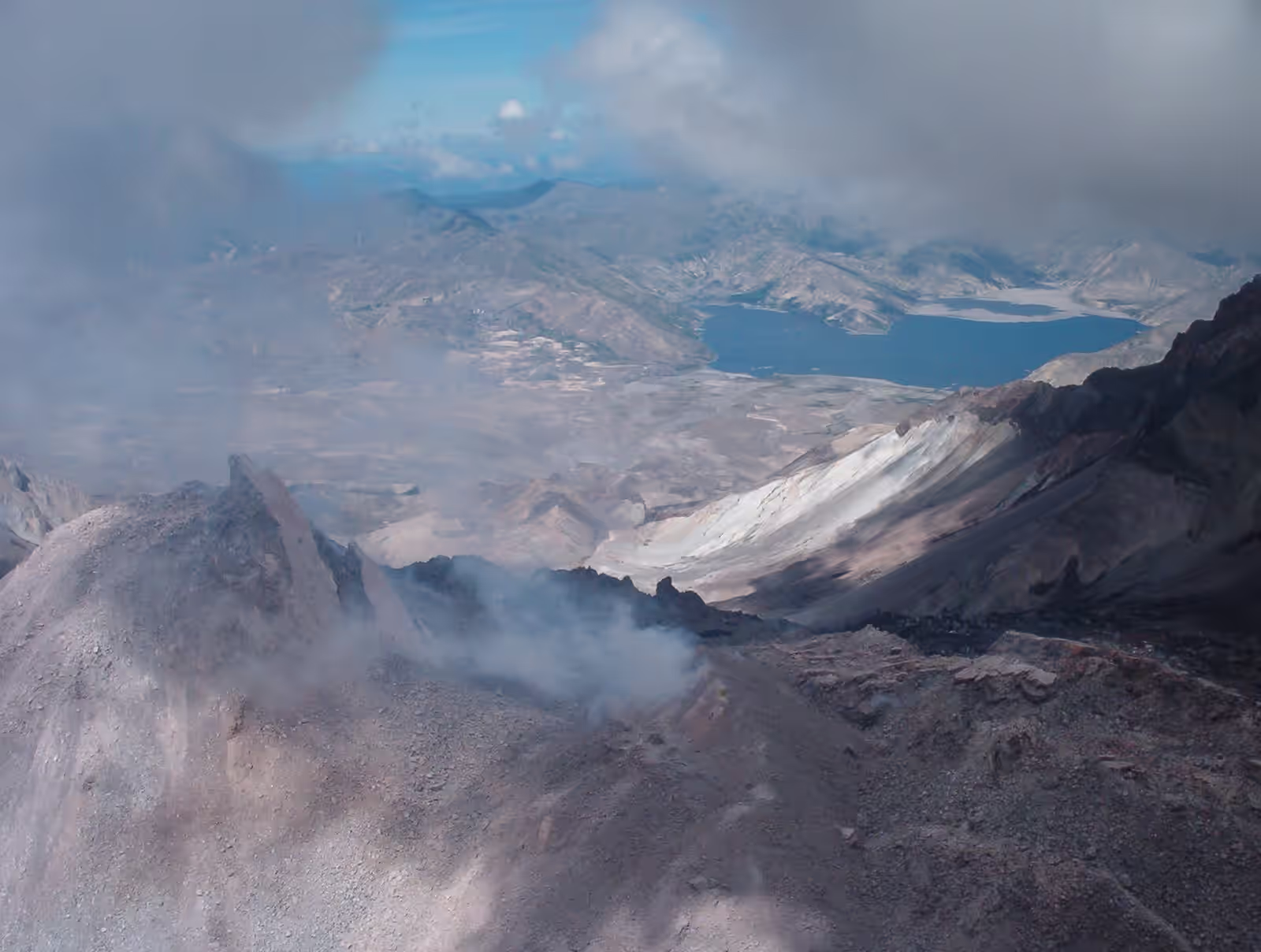
Mount St. Helens lost its summit in the eruption of May 1980, and the climb now ends on the rim of a vast horseshoe crater with a growing lava dome inside and Spirit Lake beyond. It is one of the most rewarding non-technical volcano climbs in the country.

When

In season: Apr–Jun · Peak: May–Jun

Who it’s for

Skill
Beginner–Advanced
Effort
Demanding
Suitable from
12+ · Teen+
Crowds
Steady
Cost
$

Mountaineering specifics

Summit
2549 m
Route
Monitor Ridge
Technical
Non-technical: boulders, ash and snow; cornice at the rim
Winter gear
Ice axe and crampons in snow season
Altitude risk
Low

What to expect

A long day of about 1,400 m of climbing on boulders, ash and snow, with a knife-edged cornice at the rim in spring. In summer the route is loose ash and rock; in winter and spring it is a snow climb.

Routes

What the difficulty bands mean
moderate
Sustained effort or some exposure; comfort on the terrain expected.
hard
Long, technical or serious — experience and the right conditions required.
  1. Monitor Ridge

    moderate

    Up the ash and boulder slope to the crater rim, permit required

  2. Worm Flows winter route

    hard

    The ski and snowshoe line, the quieter season

How to start

Buy the climbing permit online well ahead, as numbers are limited. Climb Monitor Ridge from Climbers Bivouac in late spring or summer, and ski or snowshoe the Worm Flows route in winter and spring.

What else is in Washington

Mountaineering elsewhere

New adventures, now and then

A short note when a batch of places worth the trip goes up. No spam, no operators, unsubscribe anytime.