Trekking5 routes- Duration
- 3d–7d
- Kids
- Adults only
- Cost
- $$$
- Permit
- Not needed
- Crowd
- Steady
Trekking in Northern Japan Alps
Japan
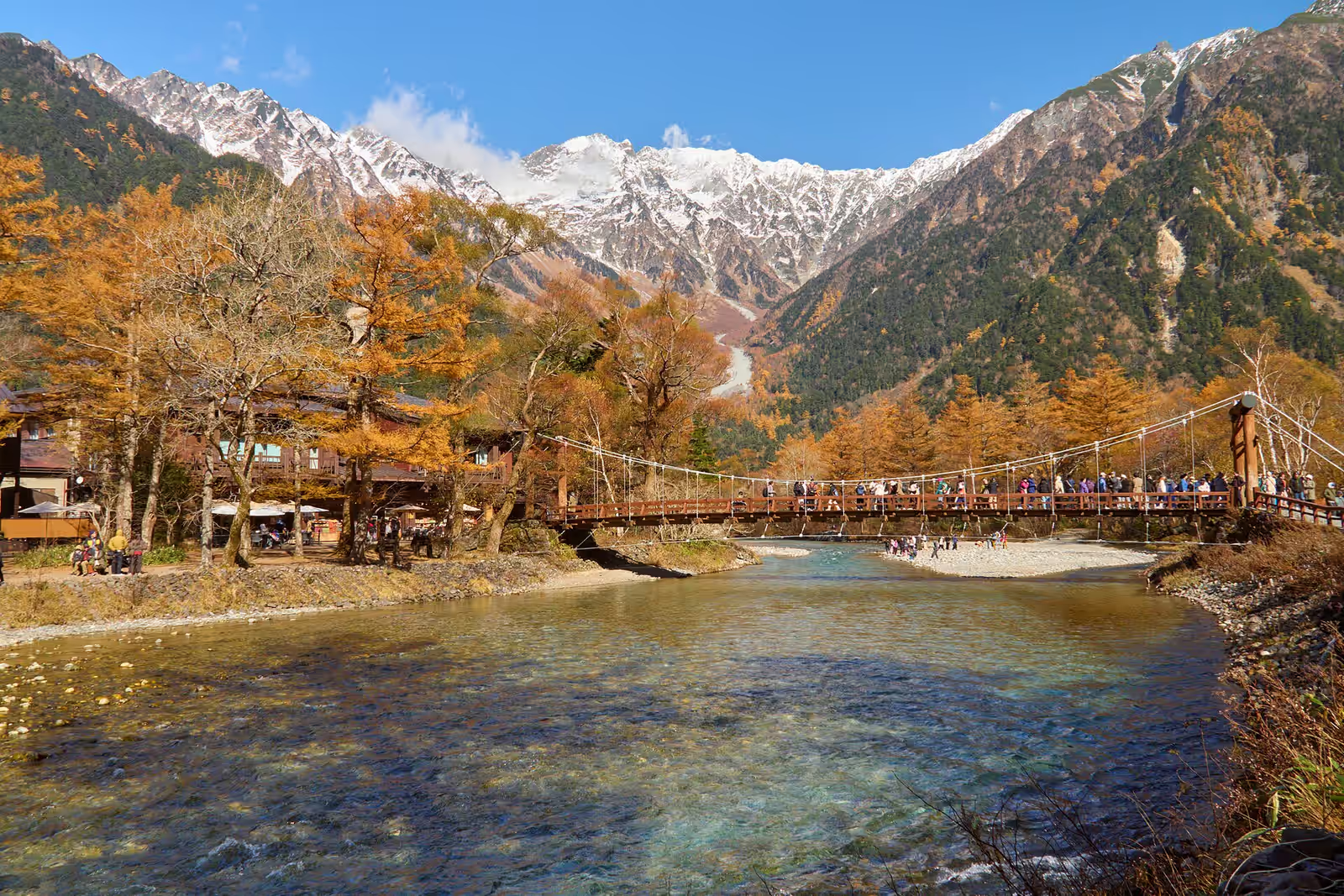
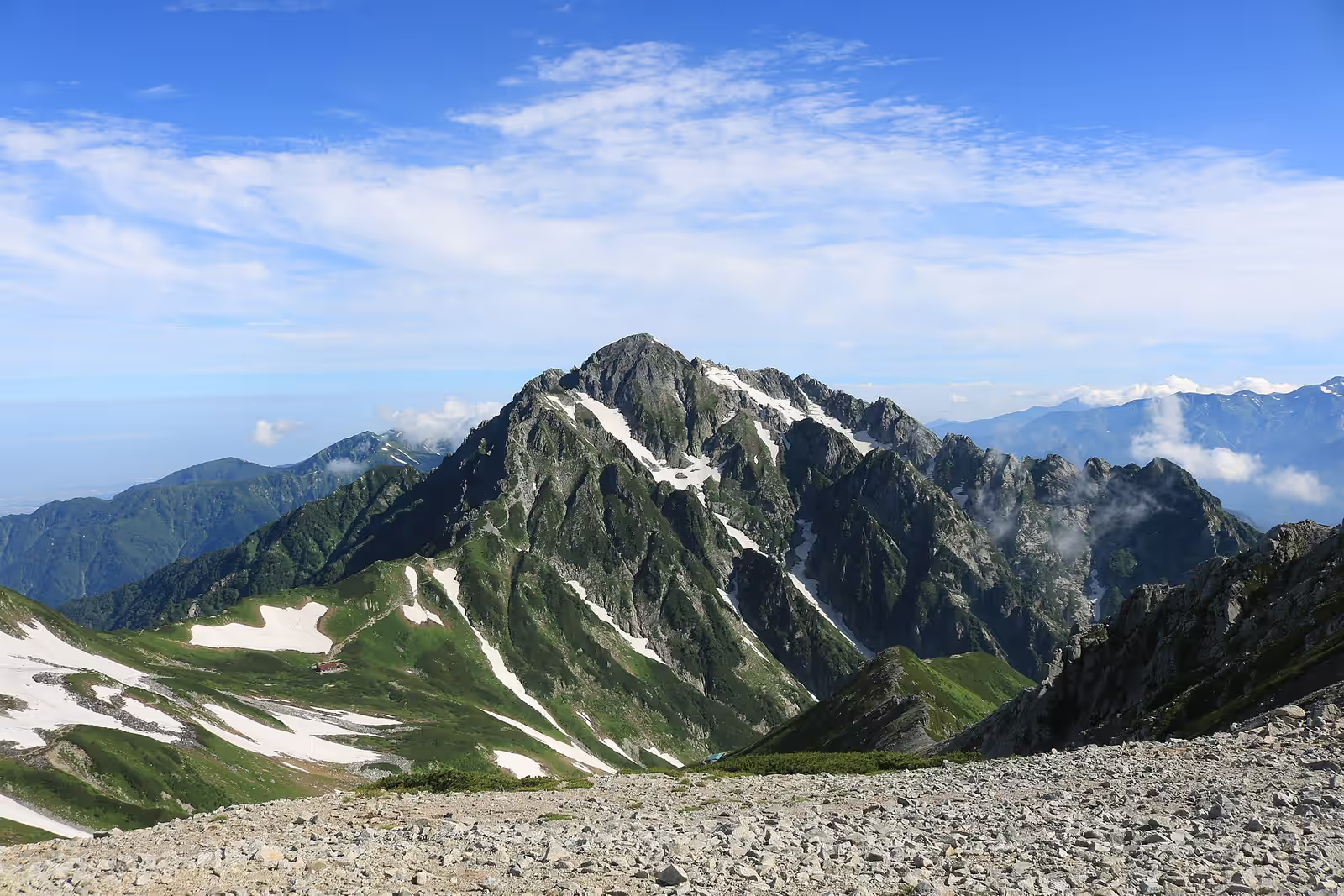
Seven days on the high ridge from Kamikochi to Tsurugi, sleeping in mountain huts that serve rice at altitude.
Chubu·Japan

Photo: Guilhem Vellut from Annecy, France · Wikimedia · CC BY 2.0
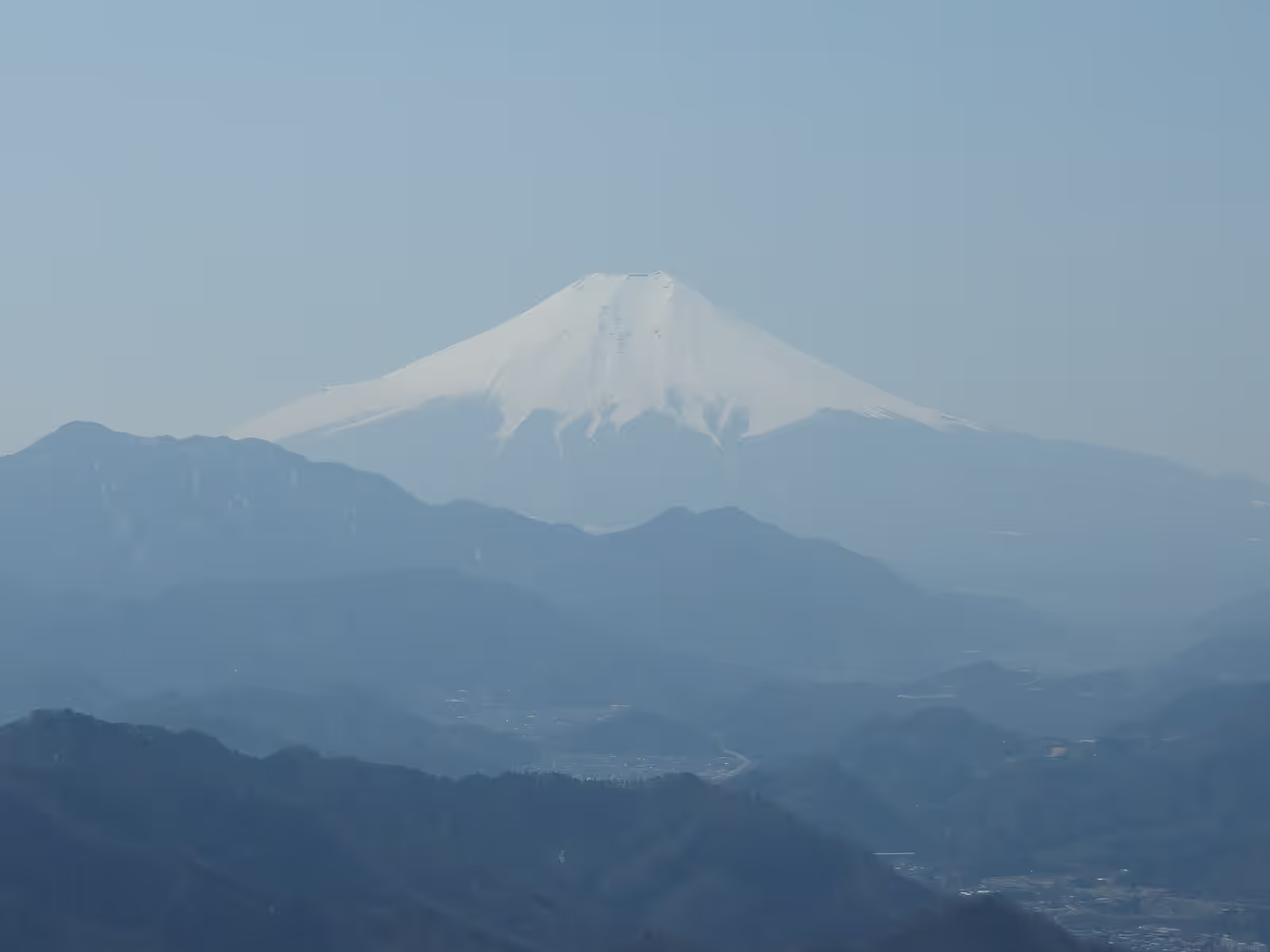
Almost everyone who climbs Fuji starts at the fifth station, halfway up, having arrived by bus in the afternoon. The sea-to-summit route ignores all of that. It begins on the sand at Tagonoura in Shizuoka and walks the entire mountain from zero — through the coastal towns, up through the forest belt, and out onto the bare volcanic cinder above the treeline to the 3,776-metre summit.
It is forty kilometres and the full height of the mountain in one continuous line, which turns Japan's most crowded peak into a serious two-day undertaking that very few people attempt. The logic is the old pilgrim's one: you earn the summit from the bottom, watching the landscape change beneath you the whole way up.
Fuji's official climbing season is short — July to early September — and the main trails have recently added entry fees, daily climber caps and overnight gate closures that keep changing. Verify the current rules for your chosen trail before you set out.
In season: Jul–Sep
Two entirely separate booking systems depending on which side you climb, and a mandatory equipment check at the gate that turns people back for wearing trainers. From Tagonoura you walk the full 3,776 m, so the first day is long and unglamorous — towns, then forest, then black cinder above the treeline. It is cold at the top in August. Huts run lights-out around 8pm and everyone leaves in the dark for sunrise.
The circuit of the crater rim once you are on top
The busiest and best-supported route, huts all the way up
Forest on the lower half, and the sand run back down
Shortest and steepest, starting from the highest trailhead
Longest, emptiest, and the one with the real sand descent
Register and pay the ¥4,000 entry fee online before you fly — it applies to all four trails and produces a QR-code permit. Yamanashi (Yoshida) and Shizuoka (Fujinomiya, Gotemba, Subashiri) run separate systems, and the Shizuoka one makes you complete a short e-learning module and pass a safety test before you can pay. Yoshida is capped at 4,000 climbers a day and busy dates fill, so book as soon as your plans are firm. Book a mountain hut too: without a reservation you cannot pass the trailhead gate between 2pm and 3am. Bring real boots, warm layers and rain gear — rangers check. The season runs roughly 1 July to 10 September, with the Shizuoka trails opening 10 July.
Trekking5 routesJapan
Seven days on the high ridge from Kamikochi to Tsurugi, sleeping in mountain huts that serve rice at altitude.
MountaineeringJapan
Three days on Japan's most feared non-technical peak, up chain-hung slabs with names like Crab's Vertical Climb.
Ski touringJapan
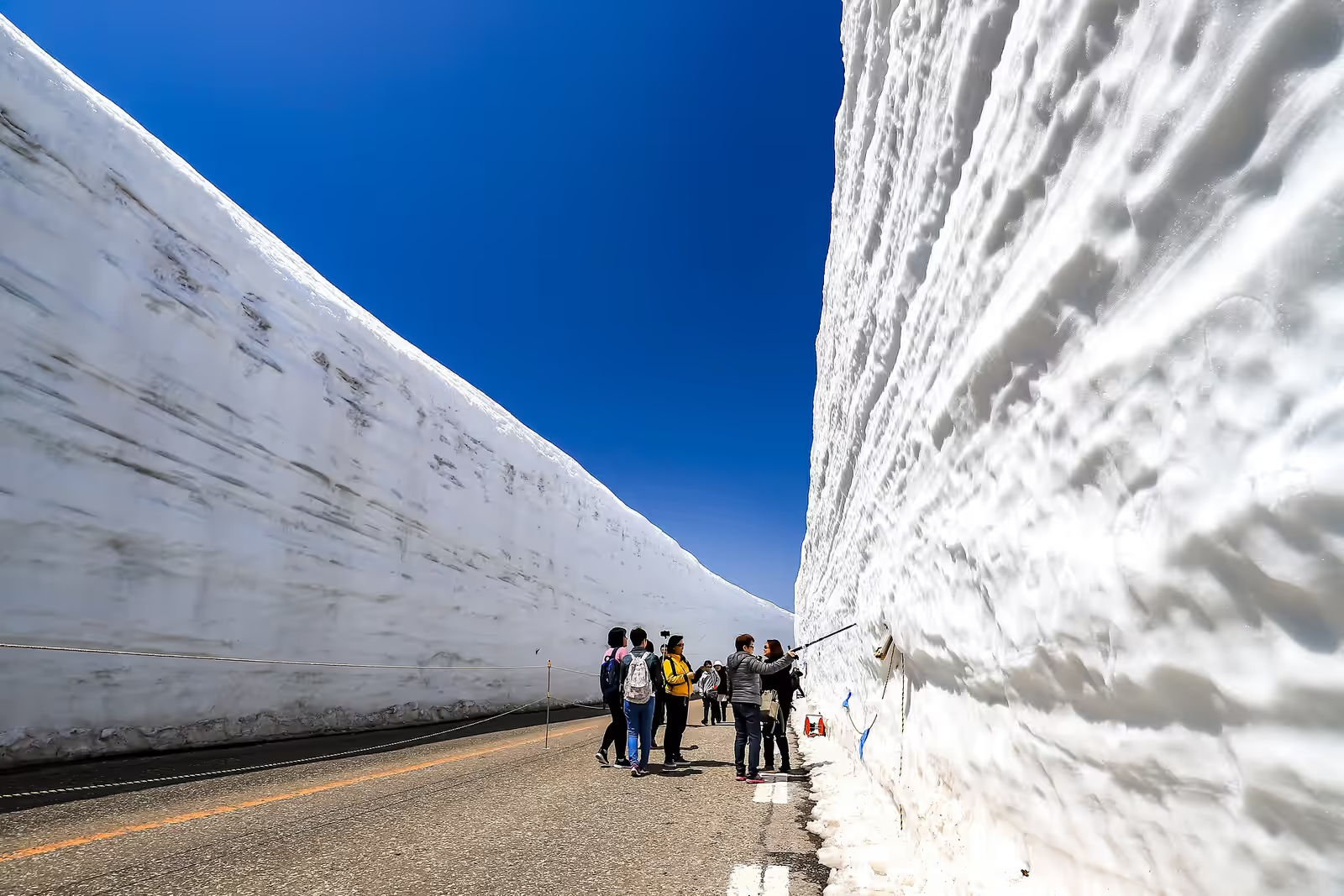
Five days skinning and skiing at Murodo in April, where the road is cut through snow walls twenty metres high.
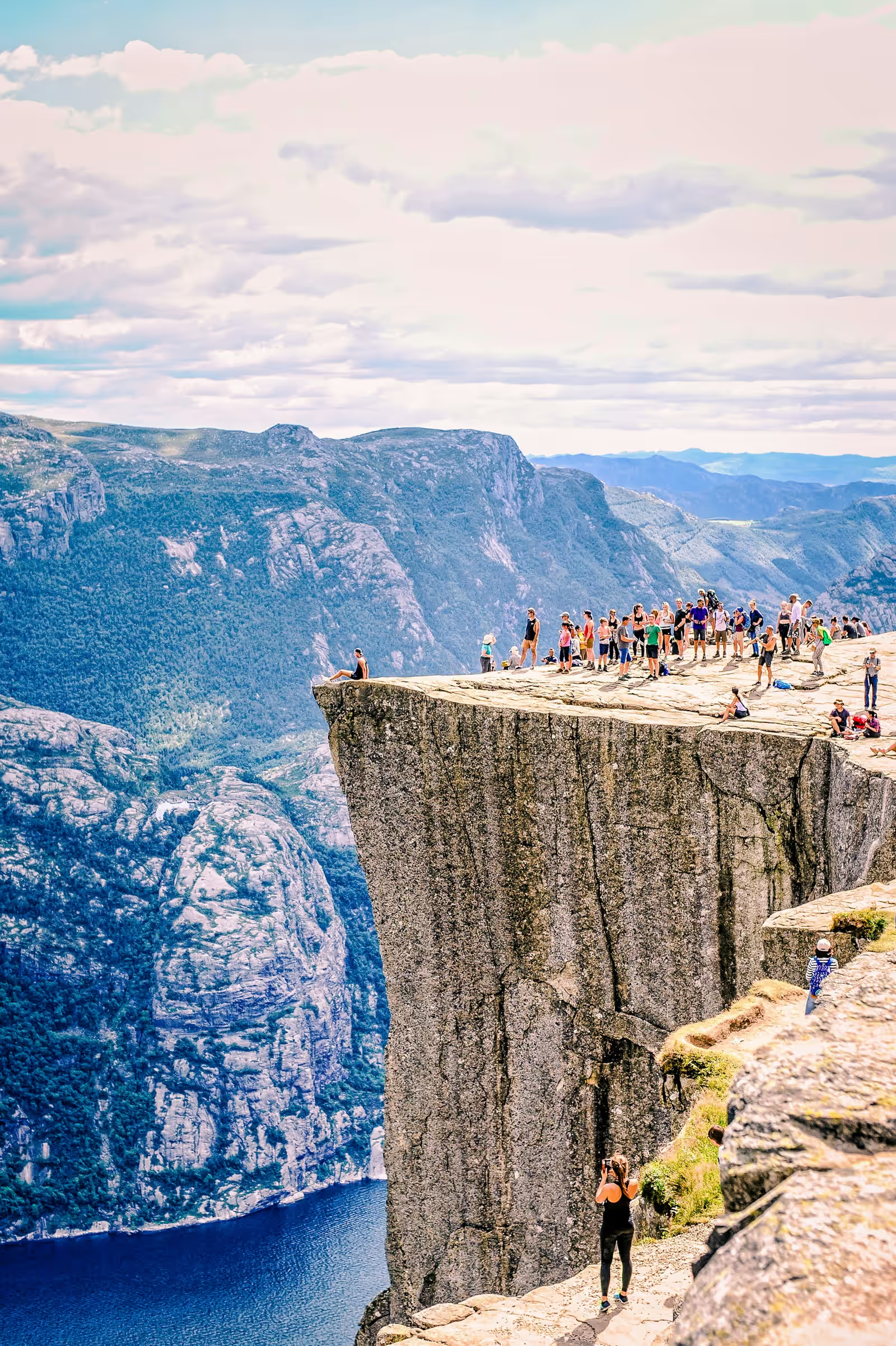
TrekkingNorway
The single most photographed viewpoint in Norway.
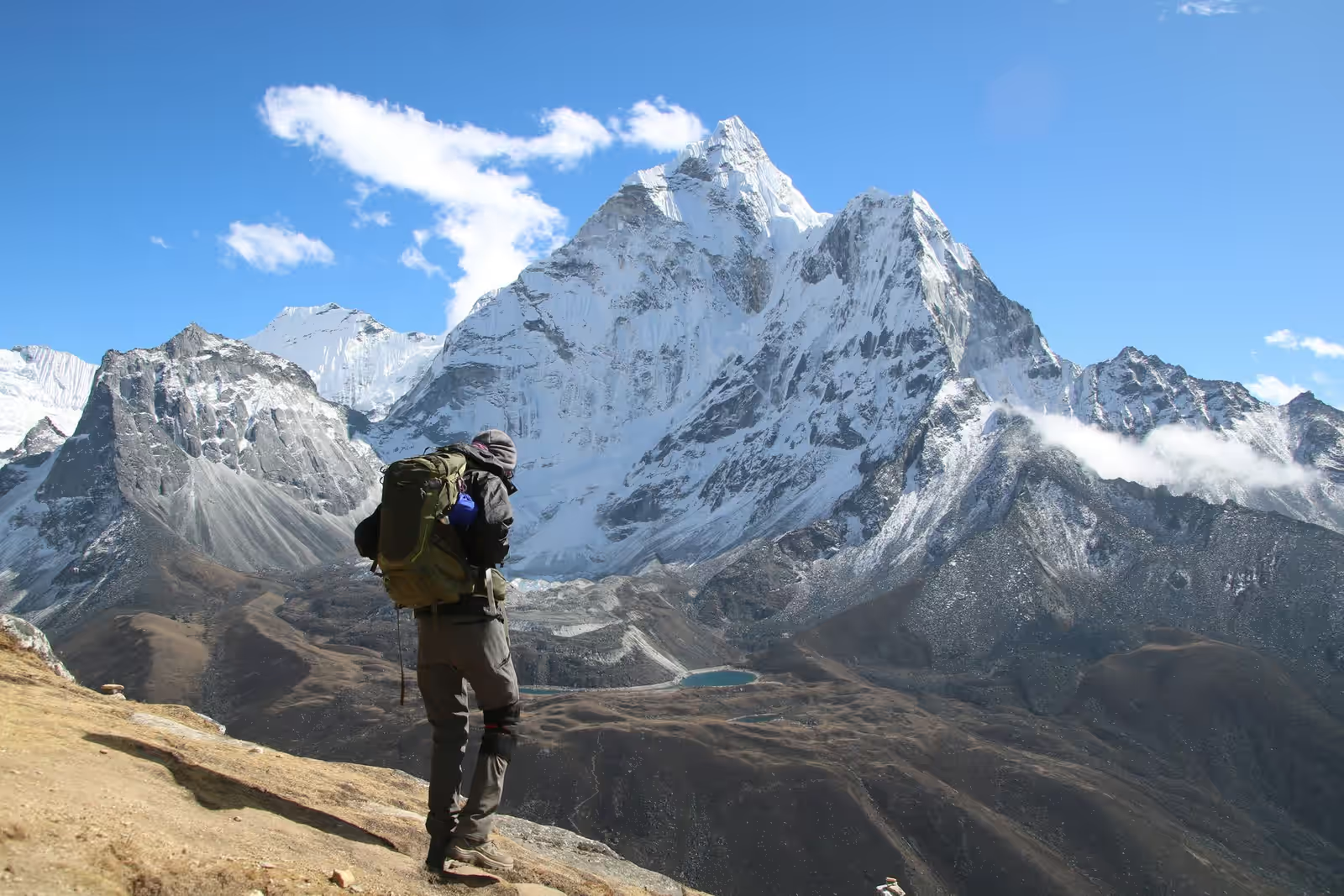
Trekking4 routesNepal
Eighteen days in the Khumbu taking the high circuit rather than the base camp highway.
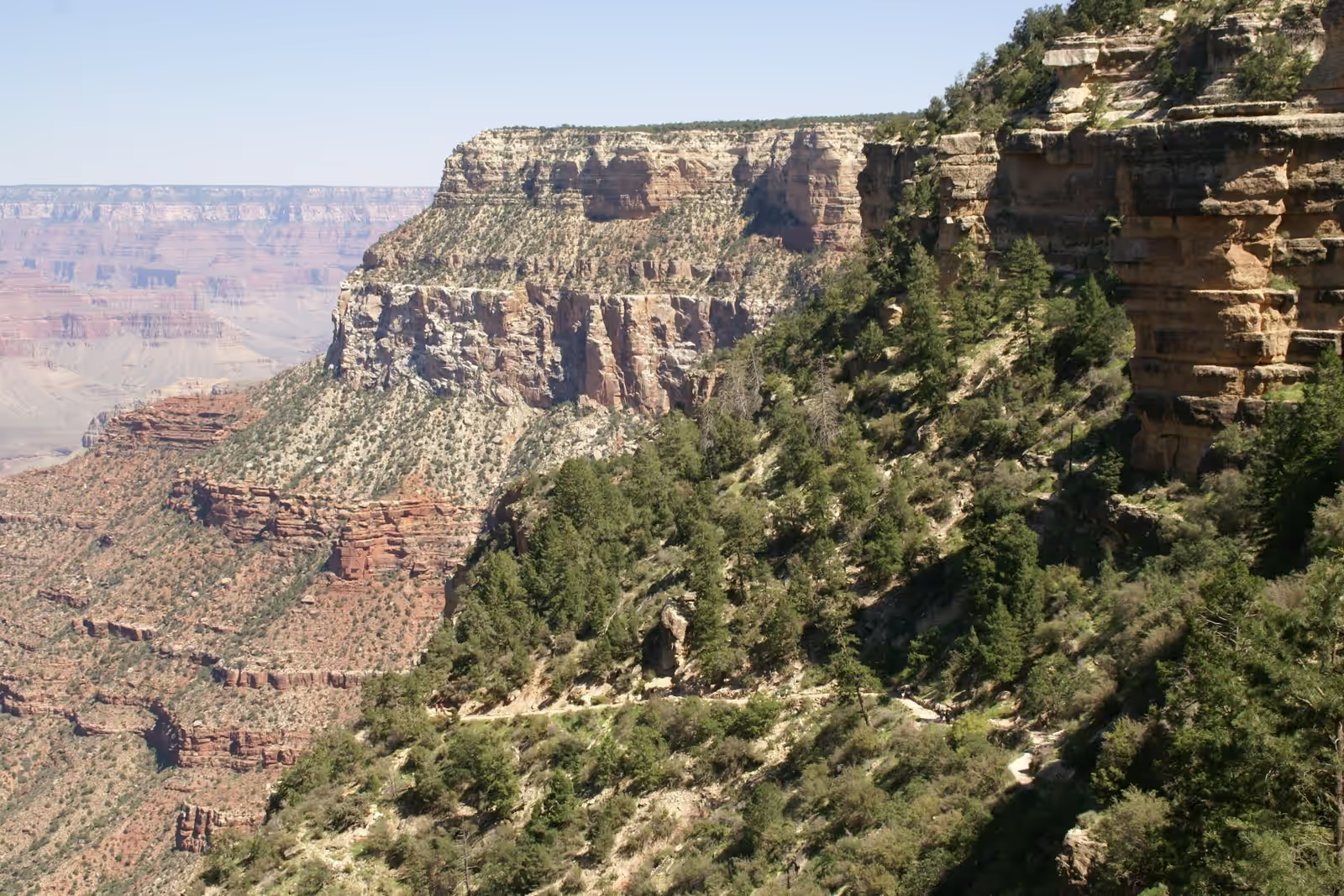
Trekking4 routesUnited States
Walking rim to rim across the Grand Canyon, down a mile of rock layers to the Colorado River and up the other side.
A short note when a batch of places worth the trip goes up. No spam, no operators, unsubscribe anytime.