Skip to content
Getaway

Volcano watching in the Reykjanes Peninsula

the Reykjanes Peninsula·Iceland

Volcano watching in the Reykjanes Peninsula

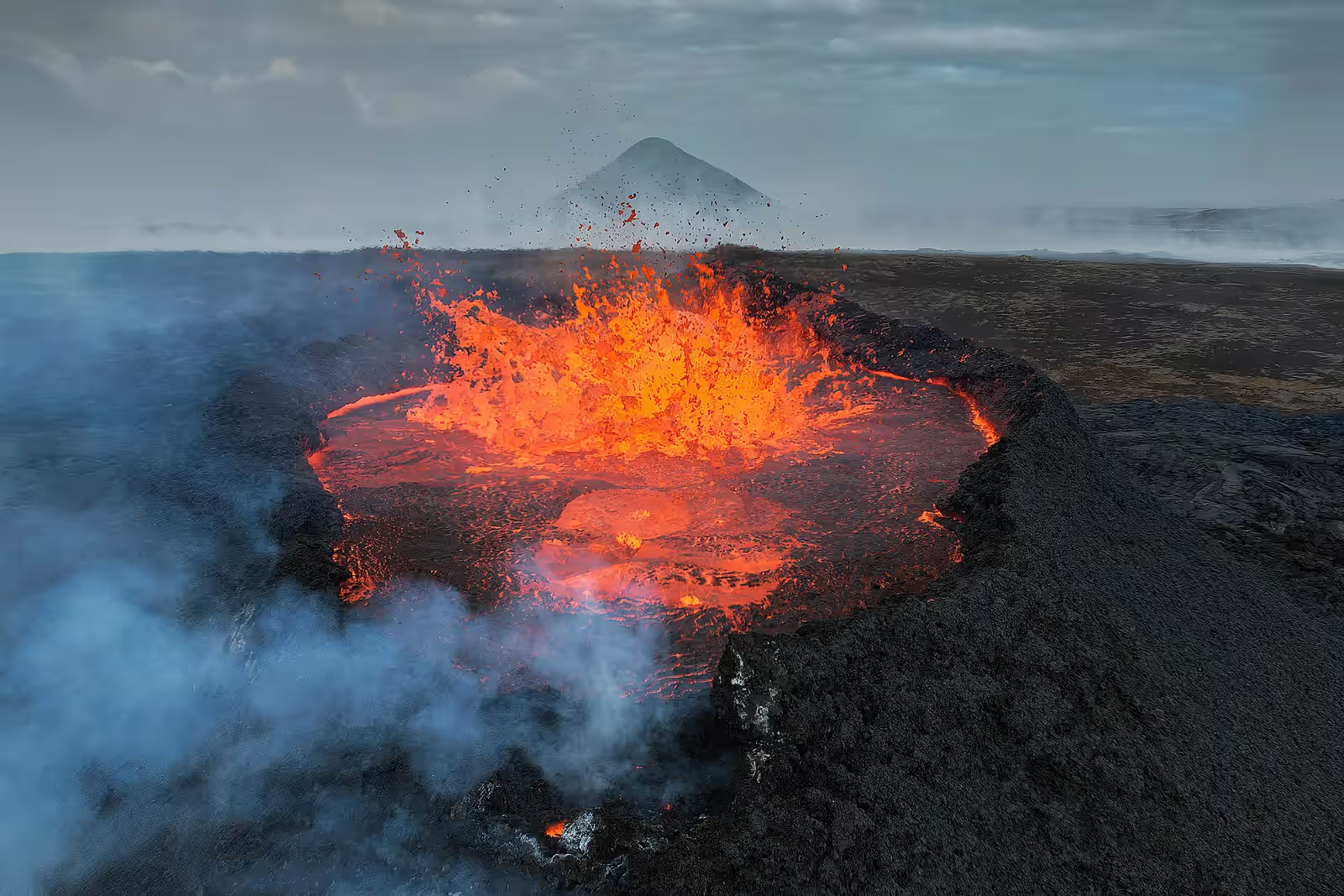
Photo: Giles Laurent · Wikimedia · CC BY-SA 4.0

EpicGuide required

Why go

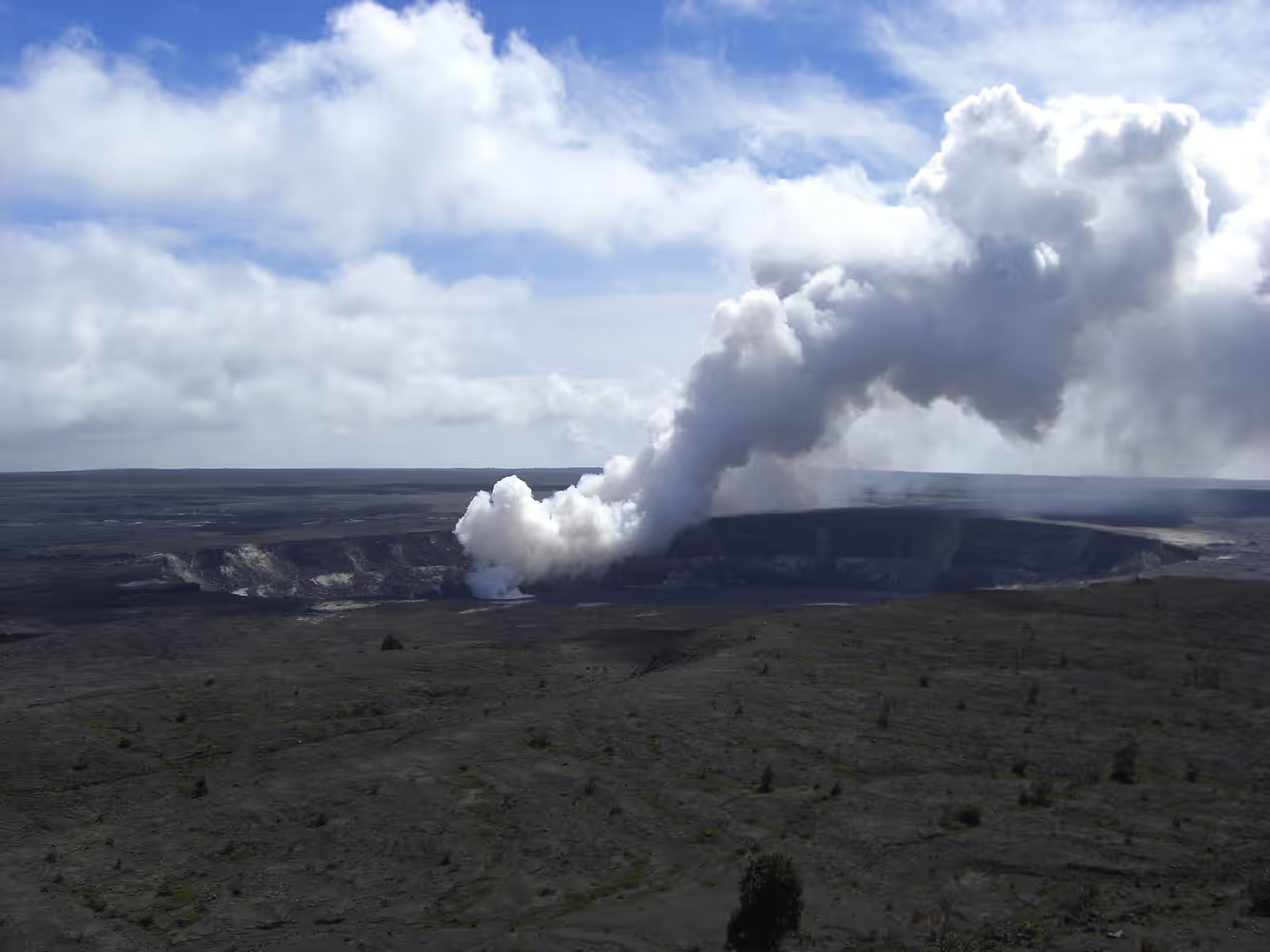
After eight hundred years of quiet, the Reykjanes Peninsula has reawakened: since 2021 a series of fissure eruptions around Fagradalsfjall and Sundhnúkur have poured fresh lava across the moss just half an hour from Reykjavík.

When one is active and access is deemed safe, you can hike to a ridge above the vents and watch the earth being made — fountains of molten rock, glowing rivers of lava, and the roar and heat of a volcano at close range.

It is one of the few places on the planet where an eruption is both accessible and relatively frequent, and standing above a living fissure, feeling the heat on your face as new land forms in front of you, is a primal, once-in-a-lifetime spectacle.

Eruptions are unpredictable, which is exactly what makes catching one so extraordinary.

When

In season: Year-round

Who it’s for

Skill
Intermediate–Advanced
Effort
Moderate
Suitable from
14+ · Teen+
Crowds
Busy
Cost
$$

What to expect

When an eruption is active and the authorities have opened access, a hike of anywhere from a few to many kilometres over rough, uneven lava and hills to a safe viewing ridge, sometimes finishing in the dark to see the glow at its best.

This is entirely dependent on nature and on official safety decisions: there may be no eruption when you visit, and sites close instantly for gas, new vents or bad weather.

The hazards are real — volcanic gas, unstable fresh lava, sudden changes — so you follow official guidance and, ideally, a guide, and never approach vents or walk on new lava. Expect cold, wind and long hikes to reach the view.

When it all lines up, the reward is witnessing an active volcano, which few sights on earth can match.

How to start

Volcano watching here depends entirely on whether the peninsula is erupting — check the Icelandic Met Office and Safetravel.is before and during any trip, and treat their access decisions as final.

When a site is open, join a guided volcano hike or go self-guided only if you're experienced and the route is officially cleared; guides read the gas, terrain and weather that catch people out.

Carry warm, windproof layers, sturdy boots, a headtorch for after dark, food and water, as viewing hikes can be long and cold. Never cross barriers, walk on fresh lava, or linger in gas-prone hollows. Have a backup plan, since there may be no eruption at all.

Done responsibly, when nature obliges, it is unforgettable — but safety and humility come first.
What else is in the Reykjanes Peninsula

New adventures, now and then

A short note when a batch of places worth the trip goes up. No spam, no operators, unsubscribe anytime.