Caving- Length
- Flexible
- Kids
- Teen+
- Cost
- $$$$
- Permit
- Not needed
- Crowd
- Steady
Caving in the Reykjanes Peninsula
Iceland
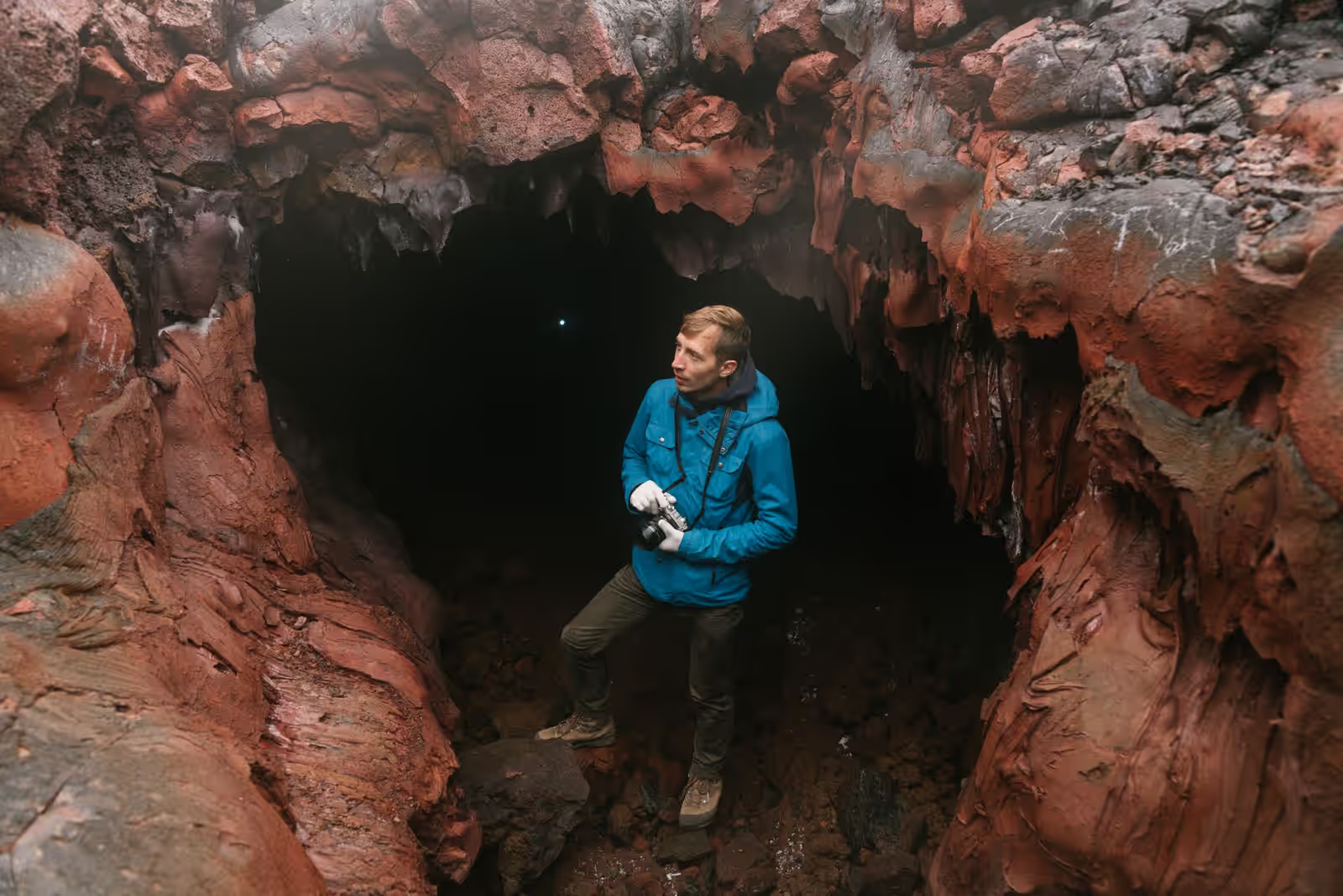
Þríhnúkagígur — lowered 120 m into a magma chamber; Raufarhólshellir as the easy option.
the Reykjanes Peninsula·Iceland

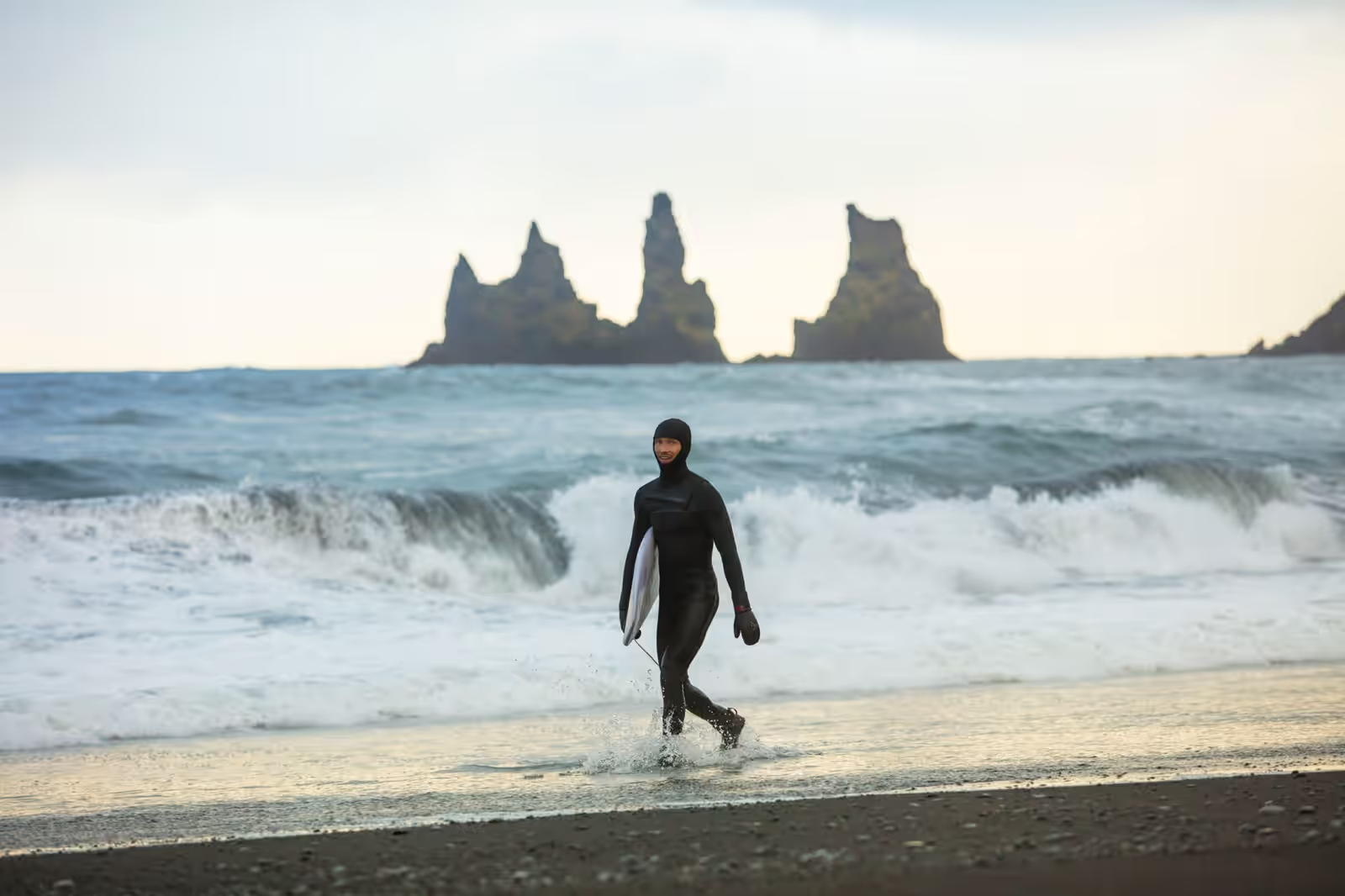
Photo: Stephen Leonardi · Pexels
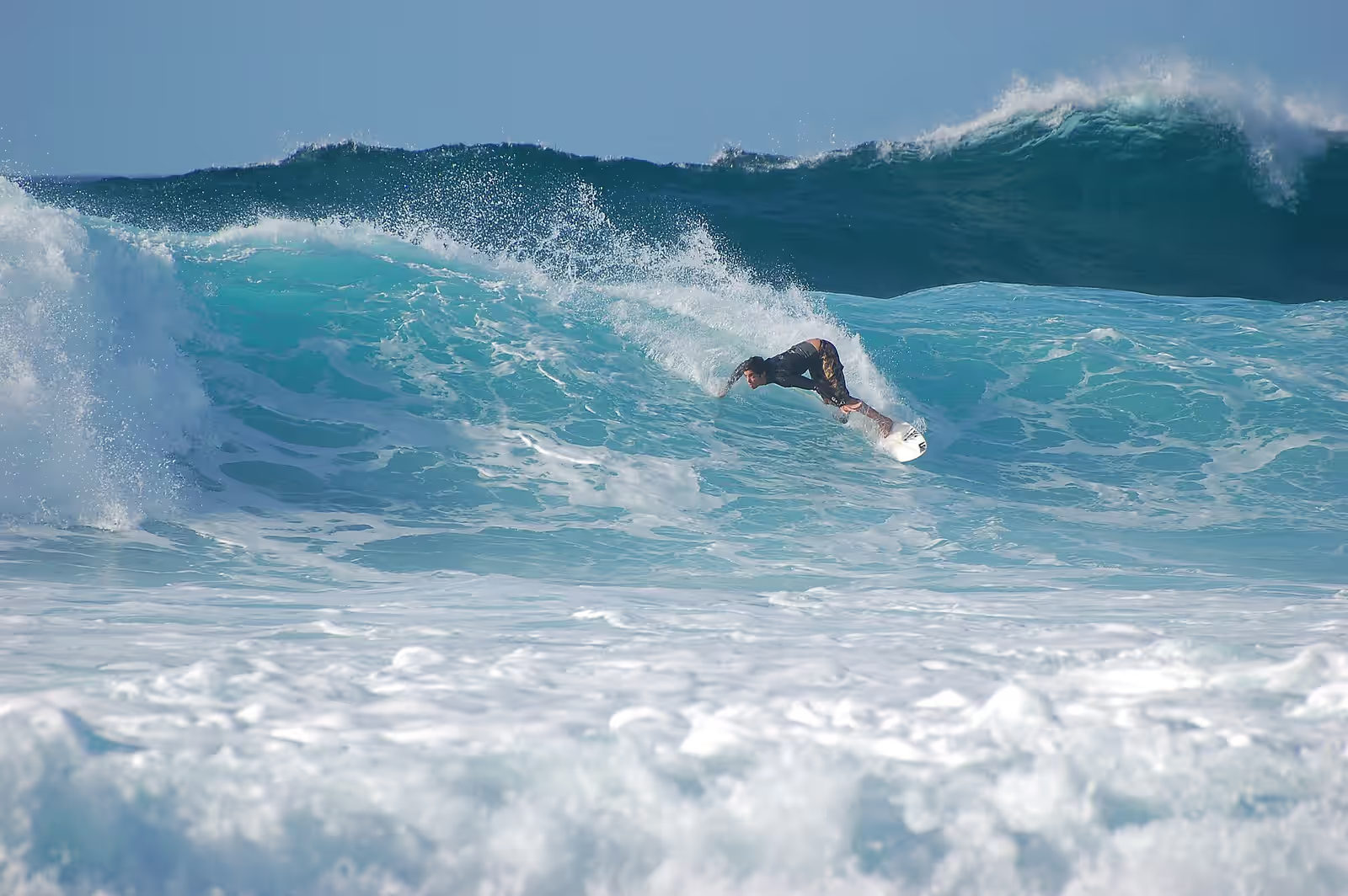
Surfing in Iceland sounds absurd until you realise the Reykjanes Peninsula, thirty minutes from Reykjavík, catches North Atlantic swell along a coast of black-sand beaches, lava reefs and dramatic cliffs.
The water is cold and the line-ups are empty — you may well have a wave to yourself, framed by snow-dusted volcanoes and low Arctic light.
It is a niche, hardcore corner of the surfing world where a thick wetsuit, hood, boots and gloves are non-negotiable and the conditions can be raw, but the reward is uncrowded waves in a landscape no other break can offer.
For cold-water surfers it's a pilgrimage; for experienced surfers visiting Iceland it's a surreal add-on to the volcanoes and glaciers. Riding a wave with lava cliffs behind you and no one else in the water is a strange, brilliant thing.
In season: Sep–Apr
Cold-water surfing on exposed Atlantic reef and beach breaks, best in the autumn-to-spring swell season, which also means very cold air and water, short daylight and often bracing wind. You need a thick (5–6 mm) wetsuit with hood, boots and gloves, and the tolerance to surf in near-freezing conditions.
The waves range from mellow beach days to powerful, serious reef breaks, so conditions and suitable skill level vary hugely from spot to spot and day to day. Hazards include cold, rips, rocks and remoteness. This suits confident intermediate-and-up surfers; it's not the place to learn.
The trade-off for the cold is genuine solitude and a backdrop — black sand, lava, snow and volcanoes — that no warm-water break on earth can rival.
The main swell season is autumn to spring, roughly September to April.
Go with a local surf guide or operator: they know the fickle Reykjanes spots, the tides and the safe entries, and can supply or advise on the heavy cold-water wetsuits (5/6 mm plus hood, boots, gloves) that are absolutely essential.
Be an established surfer before you try it — cold, powerful reef waves are unforgiving. Check the forecast for swell and wind, dress for genuine Arctic cold, and never surf alone in this remote, chilly environment. Warm up and warm down properly and manage your time in the water carefully.
It's a small, committed scene, so hooking up with locals or a guide is by far the best (and safest) way in.
CavingIceland
Þríhnúkagígur — lowered 120 m into a magma chamber; Raufarhólshellir as the easy option.
Iceland
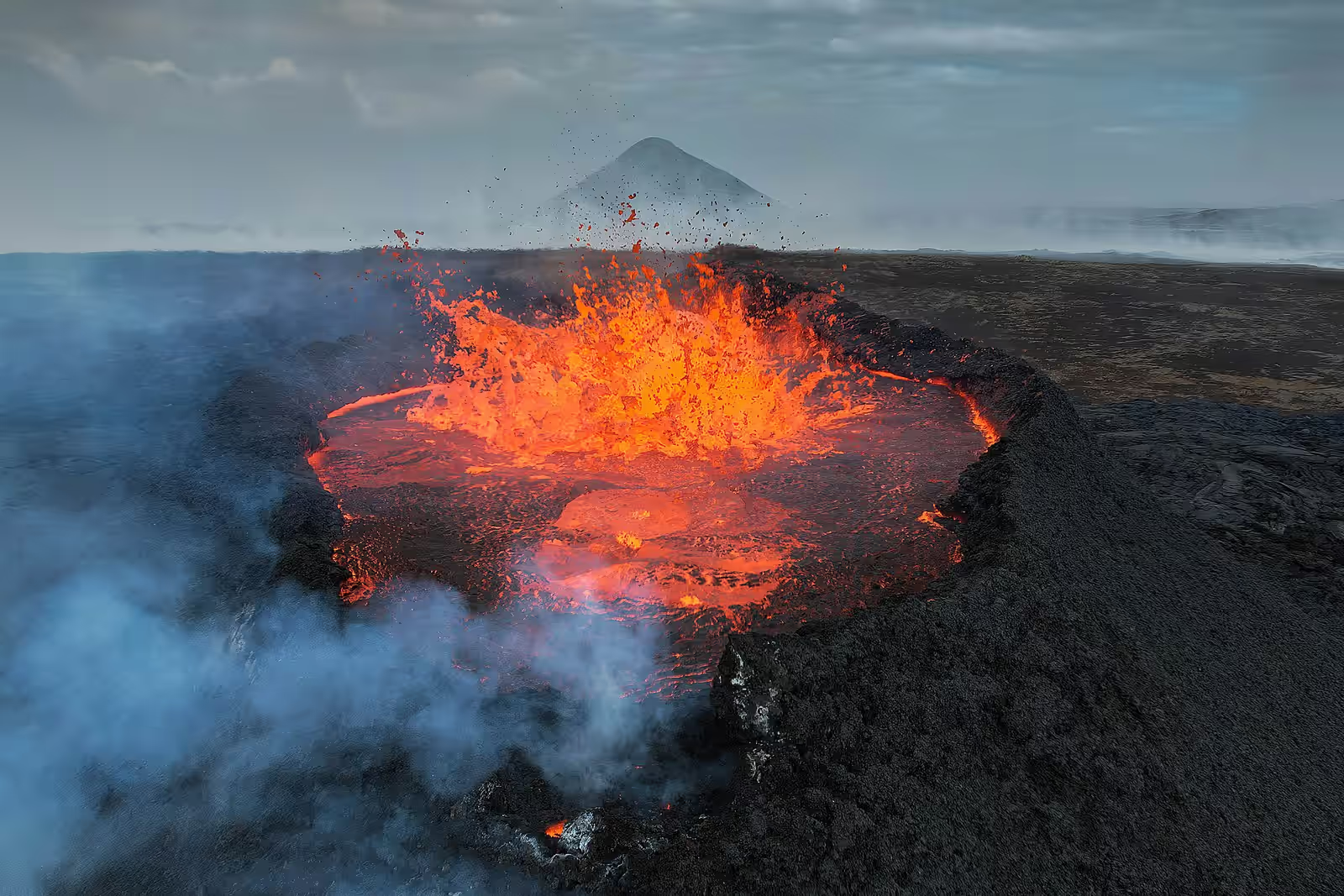
Hiking to an active fissure when one opens — fresh lava a short drive from Reykjavík.
SnorkellingIceland
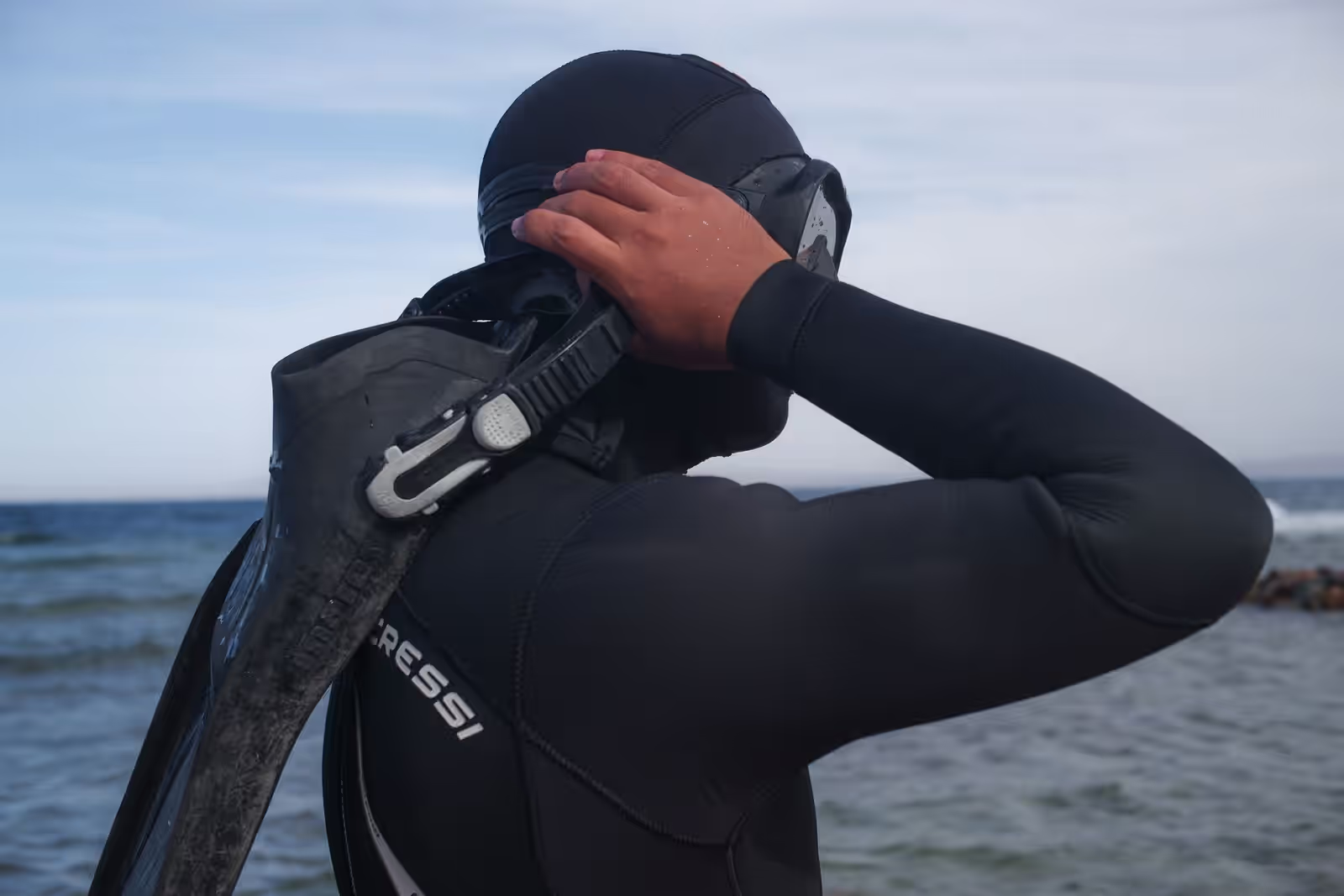
Kleifarvatn — snorkelling a rift lake with geothermal vents bubbling up beneath you.
Morocco
A point break town with a wave and a school for every level.
SurfingPortugal
Europe's first World Surfing Reserve.
SurfingFrance
La Gravière and the Landes beach breaks — Europe's heaviest, most powerful sand barrels.
A short note when a batch of places worth the trip goes up. No spam, no operators, unsubscribe anytime.