Ski touring- Length
- Flexible
- Kids
- Teen+
- Cost
- $$$$
- Permit
- Not needed
- Crowd
- Quiet
Ski touring in North Iceland
Iceland
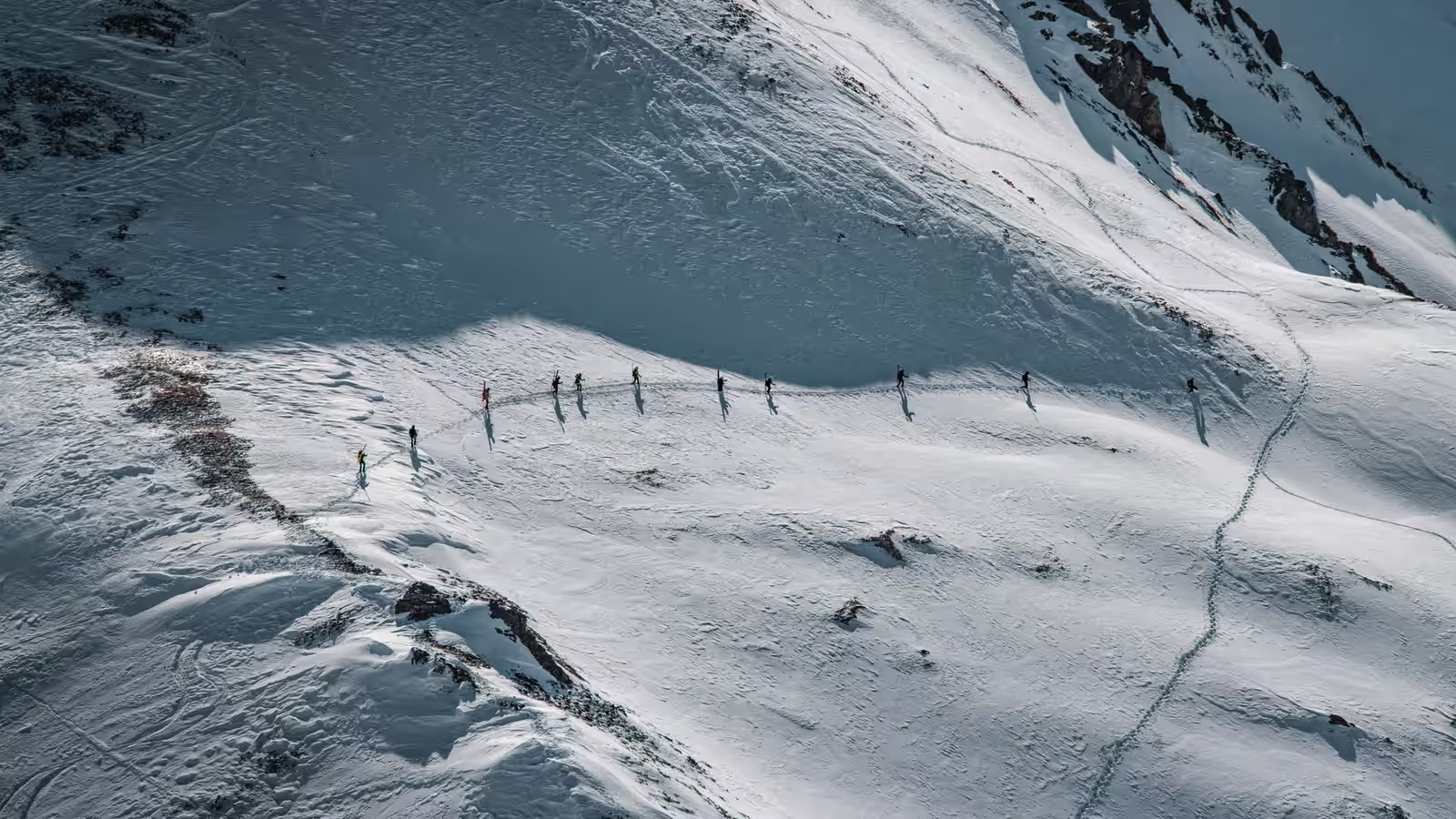
Troll Peninsula summit-to-sea descents, skinnable and skiable at midnight in April.
North Iceland·Iceland

Photo: Bernd Dittrich · Pexels
Húsavík, a small fishing town on the north coast, calls itself the whale-watching capital of Iceland — and the claim holds up.
The rich, cold waters of Skjálfandi Bay draw a remarkable range of whales through the summer, and this is one of the most reliable places in Europe to see humpbacks breaching and, on lucky days, the blue whale, the largest animal that has ever lived.
Trips head out under the midnight sun past snow-topped mountains, often into feeding grounds where whales lunge and dive around the boat. The combination of high sighting rates, the chance of a blue whale, dolphins and huge seabird numbers, and the dramatic Arctic setting makes this a bucket-list wildlife experience.
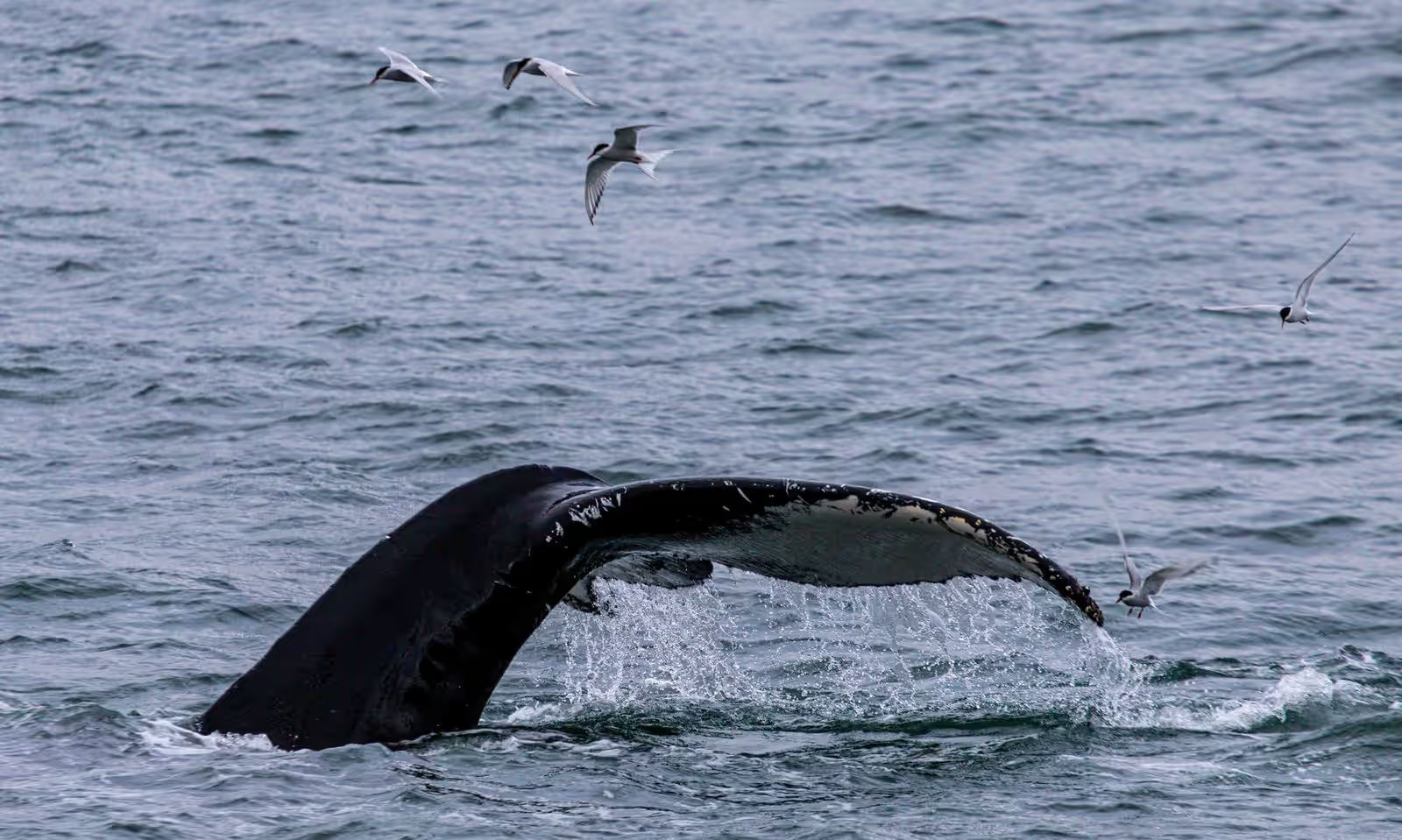
Watching a humpback throw its tail against a backdrop of northern mountains is something you don't forget.
In season: Apr–Oct
A boat-based whale-watching trip of a few hours from Húsavík harbour, on a traditional oak schooner, a larger vessel or a fast RIB depending on the operator.
Sightings are never guaranteed but the success rate here is high in season, with humpbacks the mainstay, plus white-beaked dolphins, harbour porpoises, minke whales and, less often, the huge blue and fin whales.
Expect cold, wind and spray on the water even in summer — warm, waterproof layers are essential, and operators lend overalls on the open boats. It's physically undemanding and family-friendly, with the drama supplied by the animals and the mountainous Arctic coast.
Long summer daylight means evening and midnight-sun departures are possible. Bring binoculars, a camera and something warm.
The whale season runs roughly April to October, peaking in June to August; midsummer adds the midnight sun. Book a trip from Húsavík with a reputable operator — choose a traditional schooner or larger boat for comfort and families, or a RIB for a faster, closer ride.
Dress for cold and spray whatever the forecast: warm layers, waterproofs, hat and gloves, with operators lending flotation overalls on open boats. Bring binoculars and a camera with some zoom. Take seasickness precautions if you're prone.
Accept that sightings depend on nature and weather, and pick a calmer day if you can, as rough seas cancel trips. No experience is needed, making it ideal for all ages, and a guide/naturalist on board helps you find and understand what you're seeing.
Ski touringIceland
Troll Peninsula summit-to-sea descents, skinnable and skiable at midnight in April.
DivingIceland
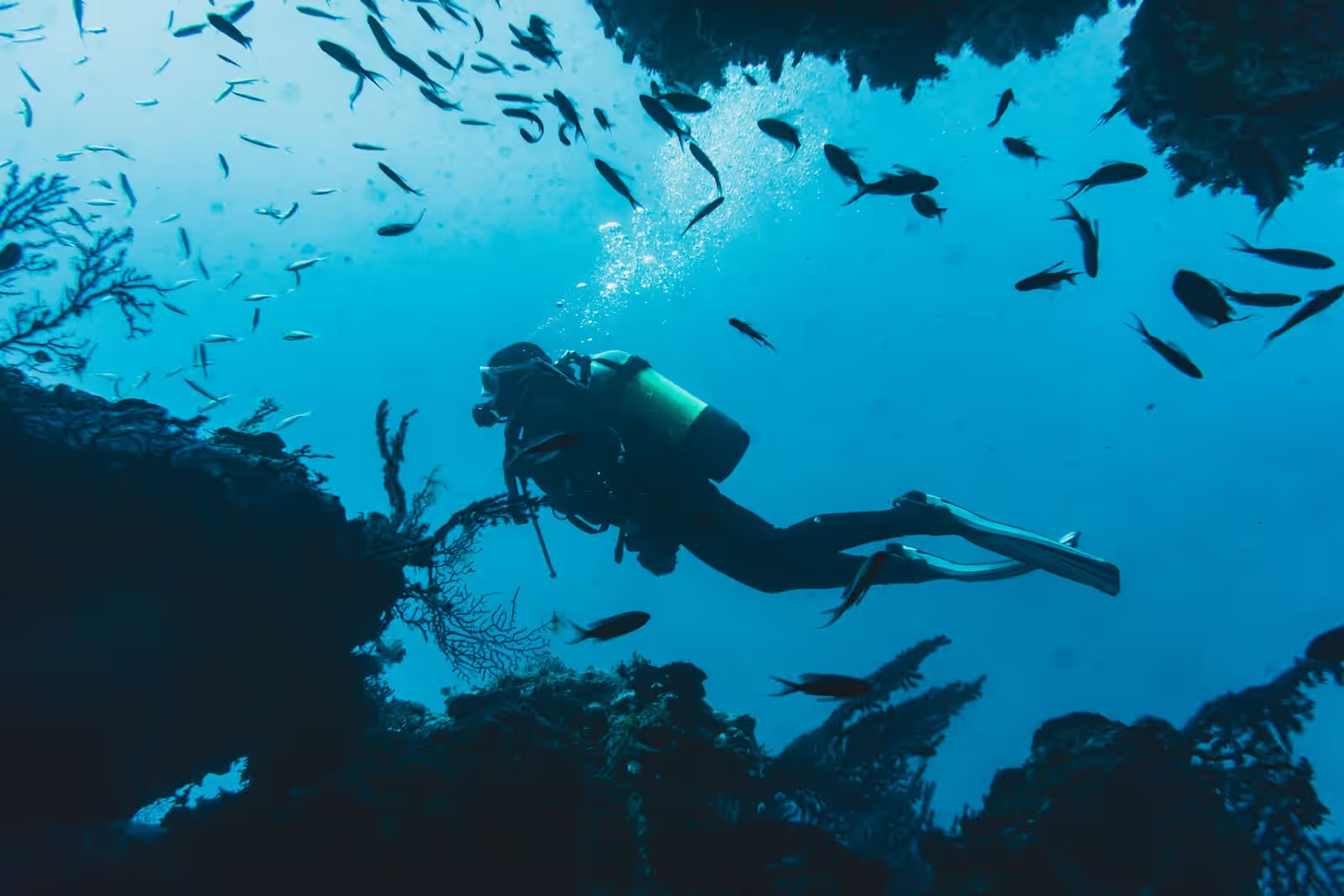
Strýtan — a 55 m geothermal chimney rising from the fjord floor, the only divable one on earth.
Iceland
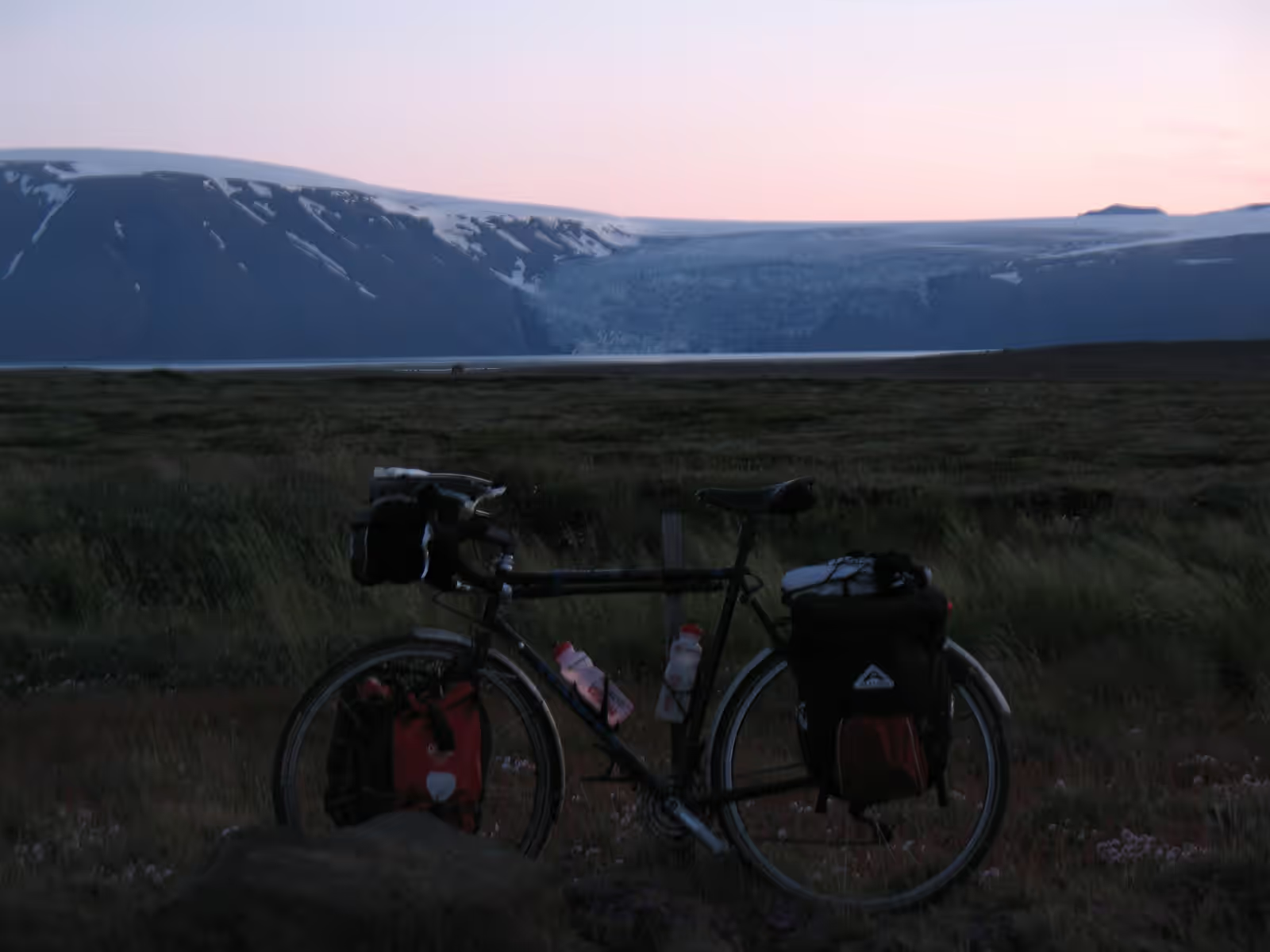
Skagafjörður highland treks on Icelandic horses, and the September réttir round-up.
Wildlife watchingTanzania
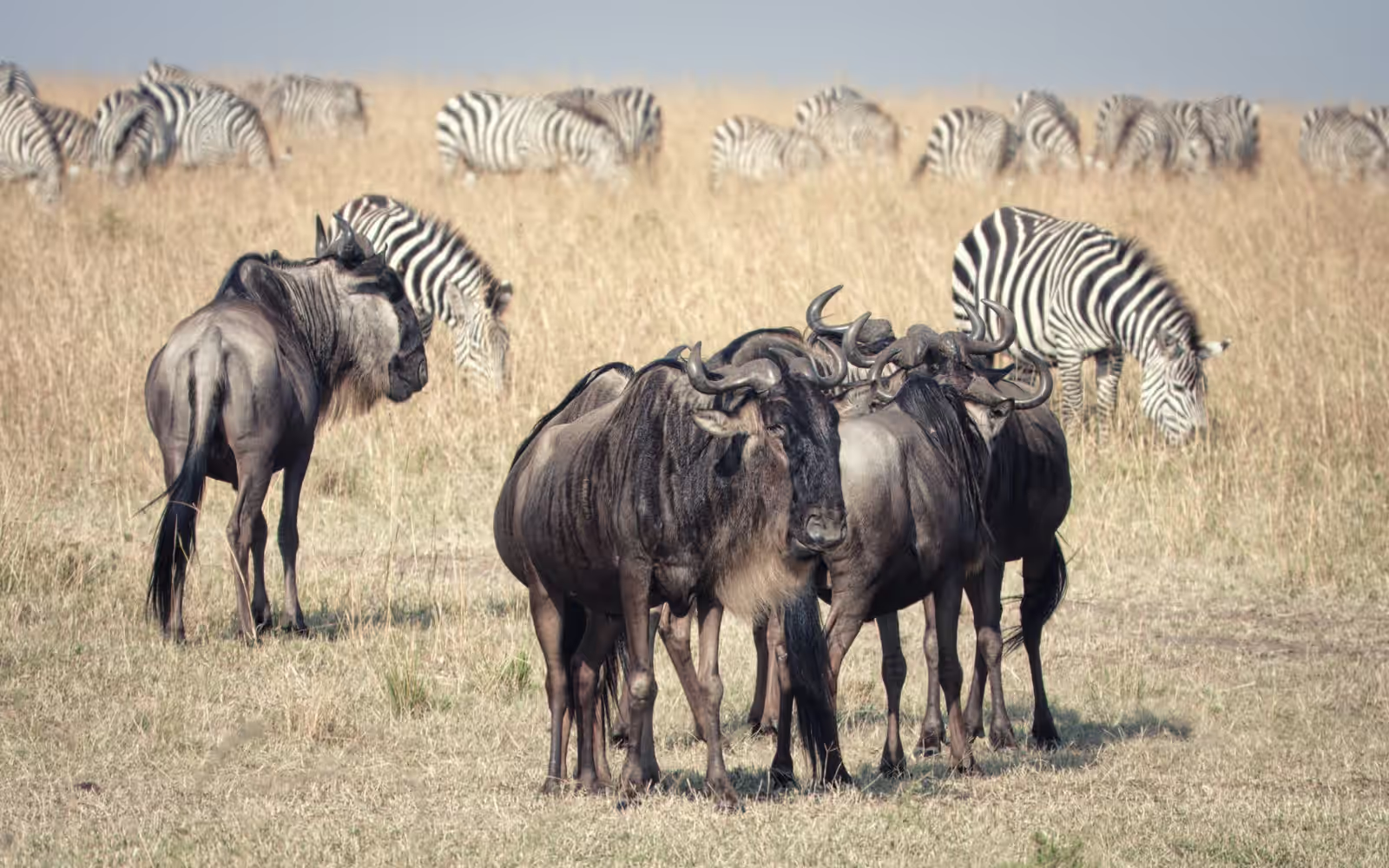
A week in the northern Serengeti timed to the migration, watching a million wildebeest decide to cross.
Wildlife watchingUganda
An hour with a habituated gorilla family, at the end of days of steep forest walking.
Poland · Belarus
The most reliable place in Europe to see free-ranging bison.
A short note when a batch of places worth the trip goes up. No spam, no operators, unsubscribe anytime.