- Length
- 14 days
- Kids
- Adults only
- Cost
- $$$$$
- Permit
- Not needed
- Crowd
- Empty
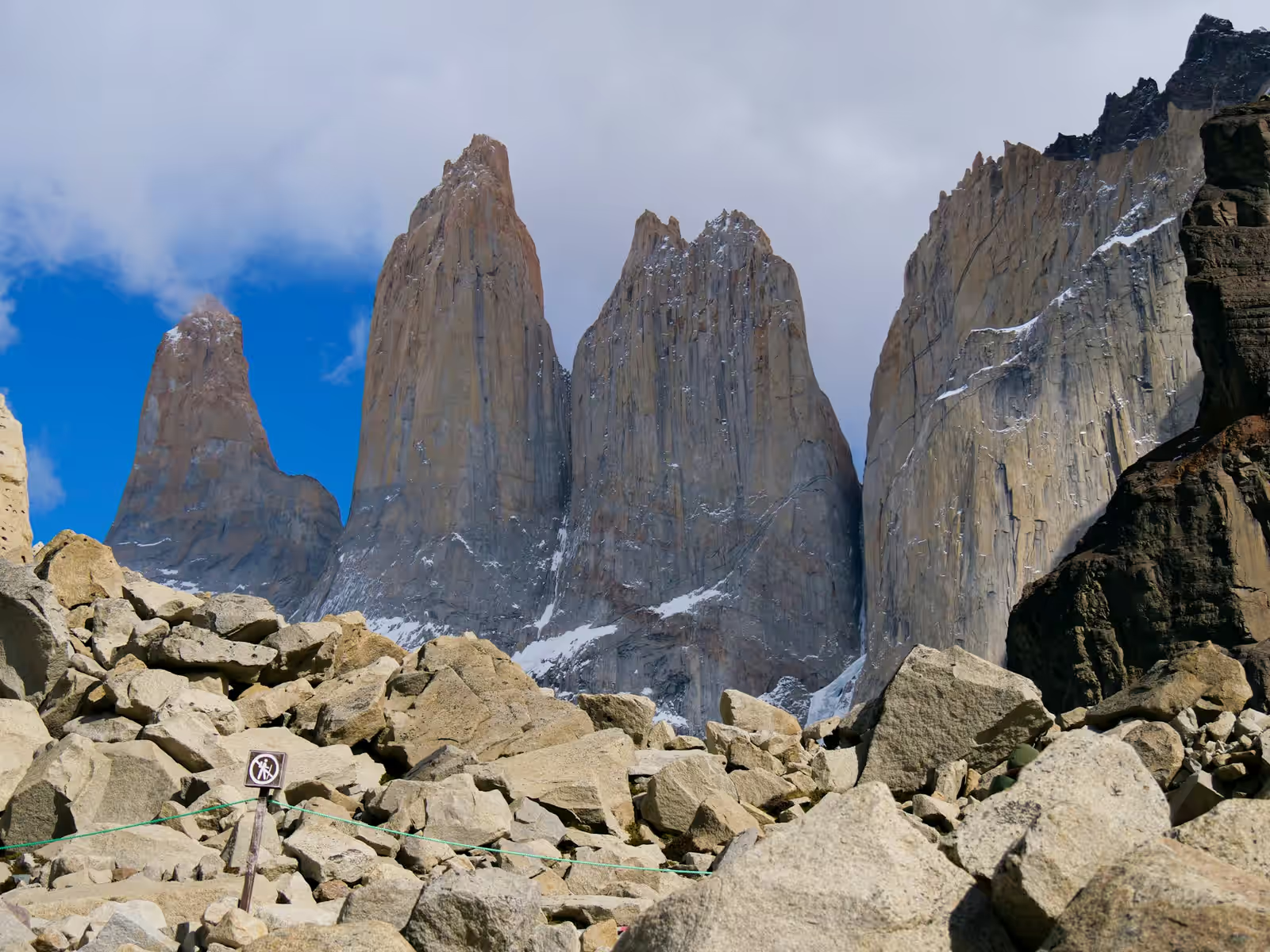
Climbing in Patagonia
Chile · Argentina
Some of the most technical and committed granite towers on earth.
Rjukan·Norway
Photo: Original version: Valentin Chapuis Derivative version: Subsidiary account (image rotated 90 degrees CCW) · Wikimedia · CC BY-SA 3.0
Rjukan sits in a narrow, shaded valley in Telemark that the winter sun barely reaches, and that gloom is precisely why ice climbers love it: the cold, spray from the river and countless side-streams combine to freeze hundreds of waterfalls into climbable pillars and curtains, all within easy reach of the valley road.
It is often called the ice-climbing capital of Europe, offering an astonishing density and variety of routes from gentle beginner flows to steep, technical test-pieces, reliably in condition through the depths of winter.
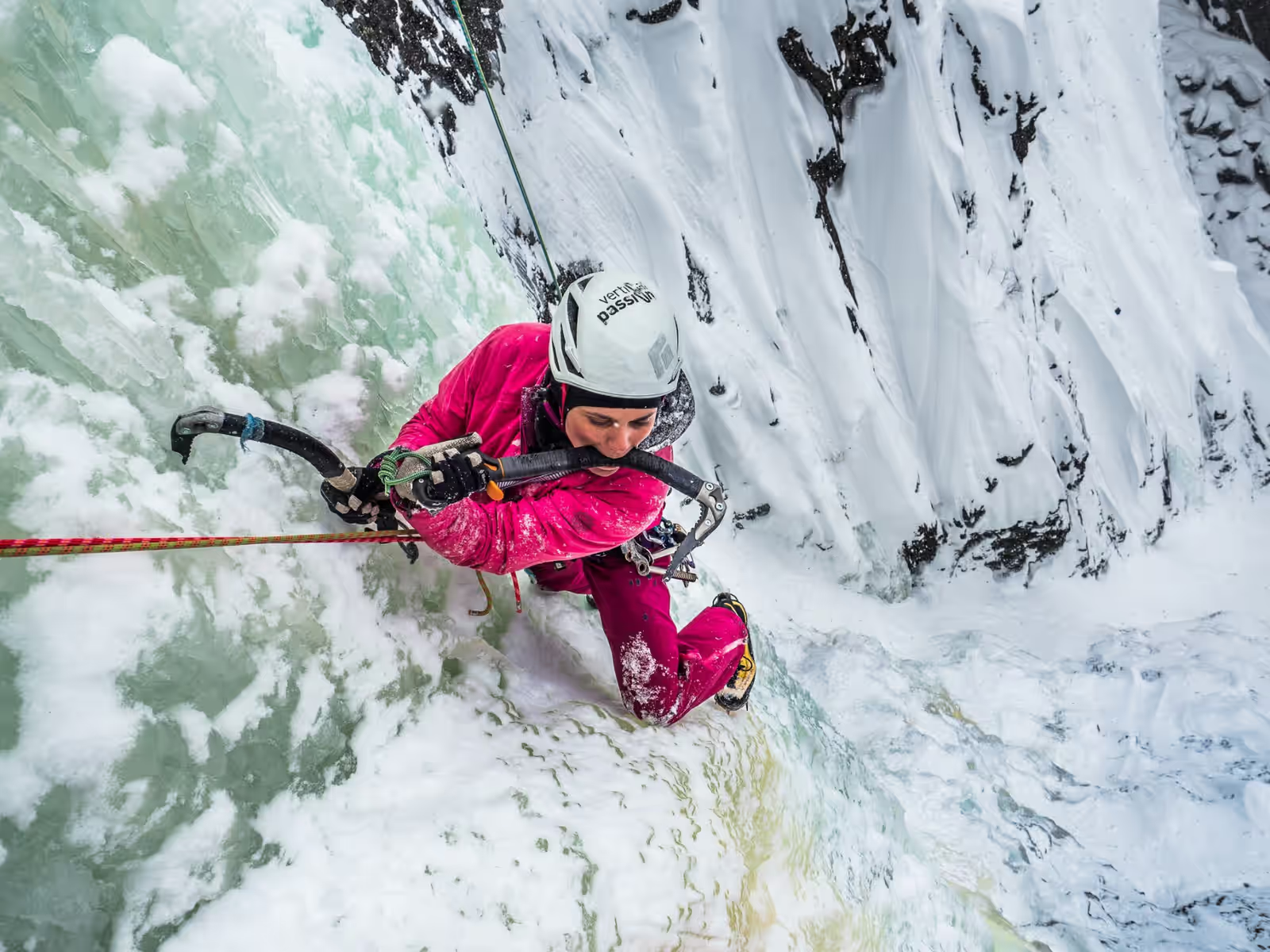
Swinging axes and kicking crampons up a blue-white frozen cascade, with the ice cracking and settling around you, is a uniquely absorbing thing to do, and Rjukan's concentration of climbs makes it the perfect place to learn the craft or to rack up classic routes day after short winter day.
In season: Dec–Mar
Climbing frozen waterfalls with two ice axes and crampons, on vertical or near-vertical water ice, protected by ice screws and usually climbed on a rope with a partner or guide.
Routes are graded by water-ice difficulty (roughly WI2 to WI6), from low-angle beginner flows to steep, sustained pillars, and many sit just a short walk from the road.
It is cold, strenuous and technical: you must manage numb hands, brittle or dinner-plating ice, and the real hazards of a winter mountain environment. Beginners can top-rope easy flows and progress fast under instruction, while experts find serious challenges nearby.
Days are short in the Norwegian winter, so climbing is efficient and social. Warmth management and solid technique matter as much as raw strength.
The ice season runs roughly December to March, when the falls are reliably frozen.
Unless you are already an experienced ice climber, book a certified guide or an ice-climbing course based in Rjukan — they provide axes, crampons, screws and helmets, teach the technique, and, crucially, judge which routes are safely in condition.
Dress in warm, layered clothing with spare gloves, and be ready for genuinely cold, short days. Start on beginner-graded flows to learn to place your feet and swing efficiently before stepping up the grades. Check ice conditions and avalanche or rockfall risk locally, and never climb below other parties.
With a guide it is remarkably accessible for a fit, adventurous beginner; independent climbing demands proper winter and avalanche awareness.
Chile · Argentina
Some of the most technical and committed granite towers on earth.
ClimbingGreece
The place sport climbing goes on holiday — the most concentrated bolted crag network in Europe.
Norway
Vestpillaren on Presten and the airy Svolværgeita horn jump — Arctic granite you can climb at midnight.
A short note when a batch of places worth the trip goes up. No spam, no operators, unsubscribe anytime.