 Climbing
- Duration
- Flexible
- Kids
- Teen+
- Cost
- $$
- Permit
- Not needed
- Crowd
- Quiet
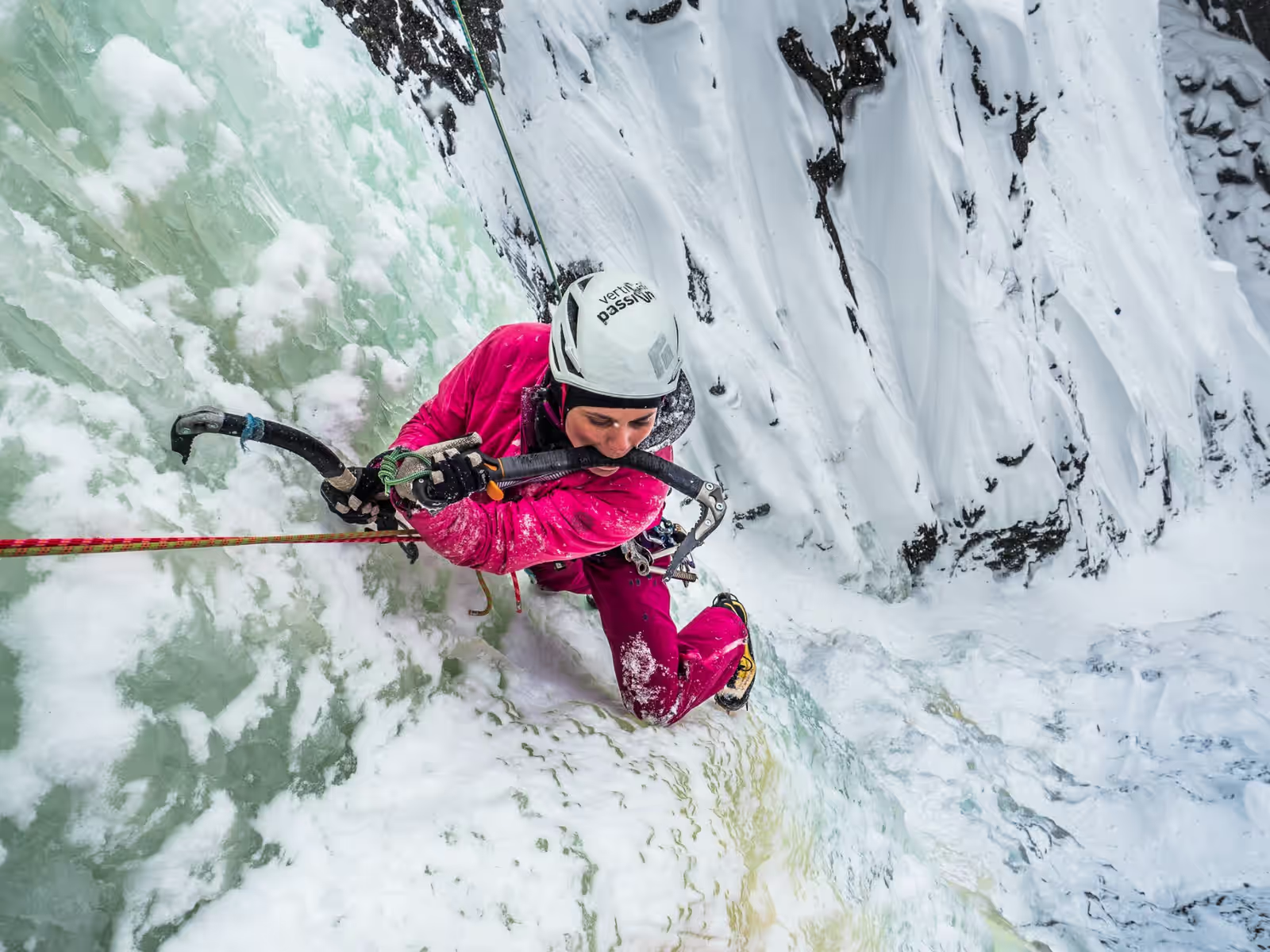
Climbing in Rjukan
Norway
Europe's ice-climbing capital — hundreds of frozen waterfalls concentrated in one deep valley.
Skill · Intermediate–Advanced
Telemark·Norway
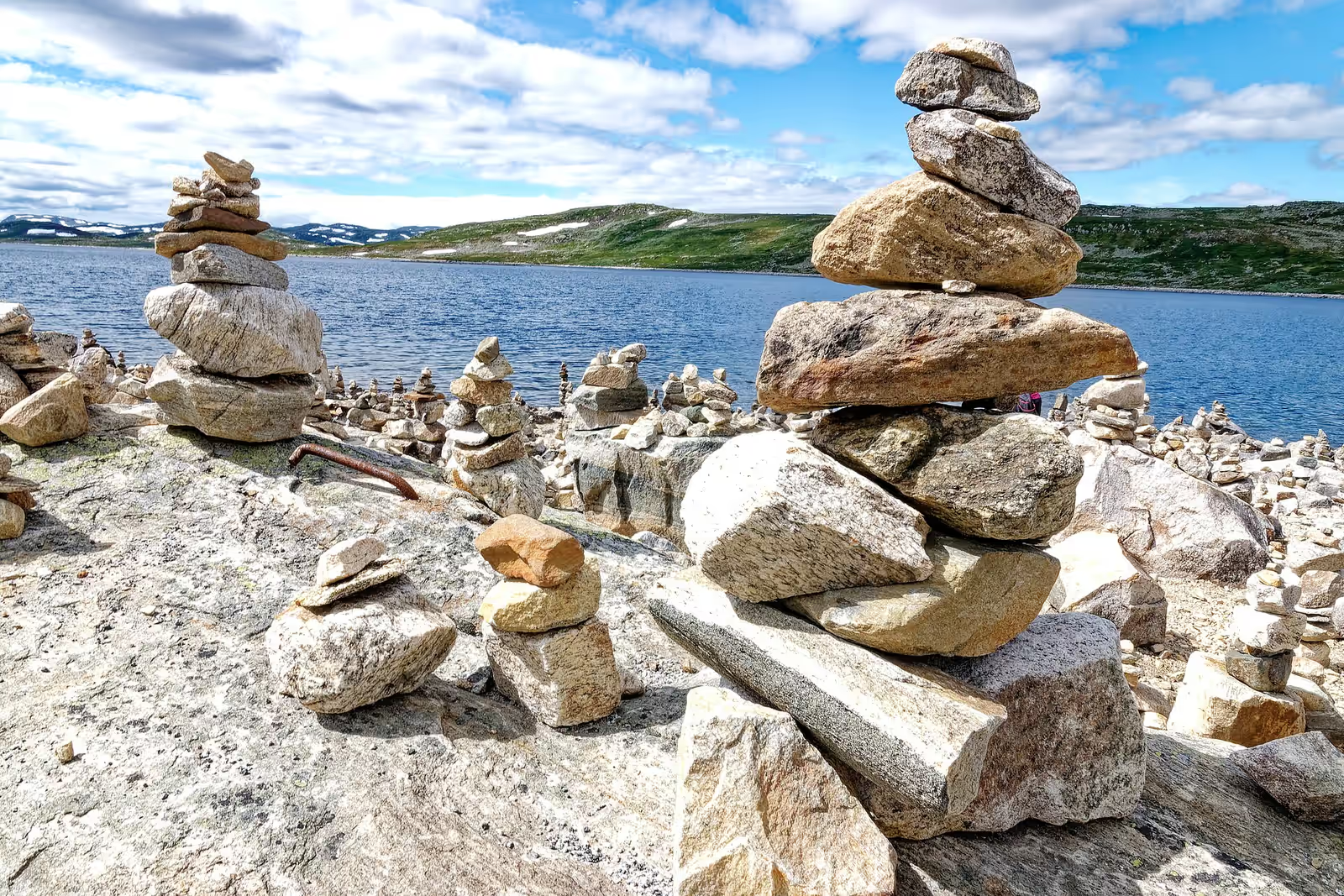
Photo: Holger Uwe Schmitt · Wikimedia · CC BY-SA 4.0
Hardangervidda is the biggest mountain plateau in Europe, a treeless expanse of tundra, lakes and rounded fells that spreads across central Norway and shelters the continent's largest herd of wild reindeer.
Trekking here is about space and solitude rather than summits: days of walking under enormous skies, crossing rivers, rounding lake shores and rarely seeing another soul, then arriving at one of the red-painted DNT huts that make multi-day travel possible without a tent.
It is the classic Norwegian fjellvandring — mountain wandering — and one of the purest hut-to-hut experiences anywhere.
The terrain is gentle by alpine standards, but the scale, the weather and the sheer emptiness demand self-reliance and give the reward: a rare, elemental quiet that is getting harder to find in Europe.
In season: Jul–Sep
Long, moderate days across open, rolling plateau on marked but often boggy and rocky paths, linking mountain huts spaced a comfortable day apart.
Distances of fifteen to twenty-five kilometres are typical, with modest climbs but frequent river crossings, exposed sections and unpredictable weather — sun, wind, fog and cold rain can all arrive in one day even in summer. Navigation matters, as marking can be faint and the terrain featureless in mist.
Accommodation is in DNT staffed lodges or self-service huts stocked with food and bunks, accessed with a membership key. There are no shops or roads out on the vidda, so you carry what you need between huts. It suits fit, self-reliant walkers rather than nervous beginners.
Short, easy hut-to-hut on the old navvy road, good in poor weather
The classic hut chain across the northern plateau
The anvil-shaped landmark visible from half the plateau
The long north–south crossing of the whole vidda
The trekking season is short — roughly July to mid-September, once the snow has gone and the huts and boat links are running. Join Den Norske Turistforening (DNT) to use the hut network and get the standard key for self-service cabins; book staffed lodges ahead in peak weeks.
Plan a route between huts using the DNT maps and app, and always carry a paper map and compass for navigating in fog. Pack for four seasons: waterproofs, warm layers, sturdy boots and river-crossing sandals.
Tell someone your itinerary, respect the wild-reindeer zones, and be ready to sit out bad weather. No guide is required for the popular routes, but solid navigation and self-sufficiency are non-negotiable out here.
 Trekking
Norway
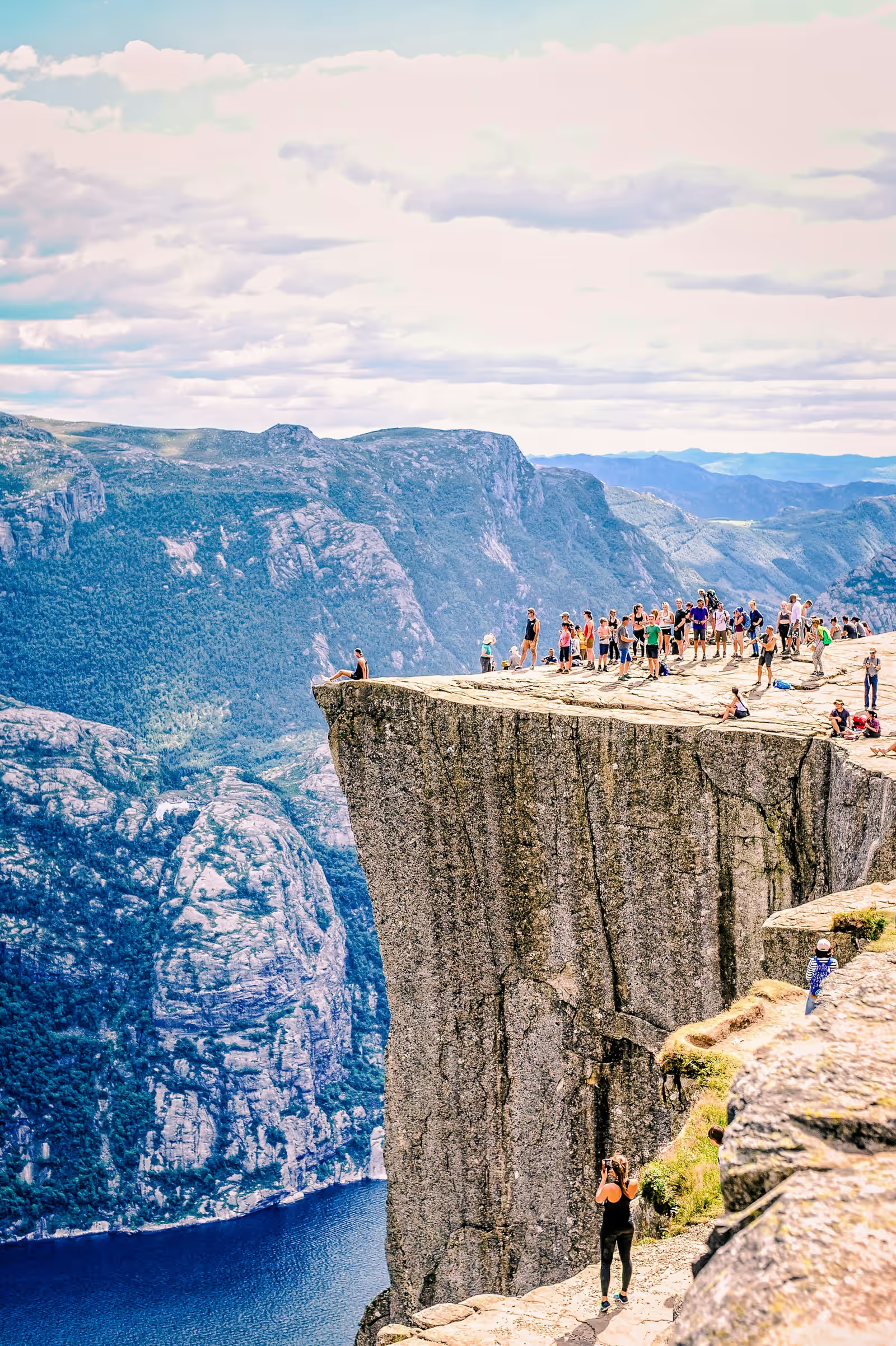
The single most photographed viewpoint in Norway.
 Trekking4 routes
Nepal
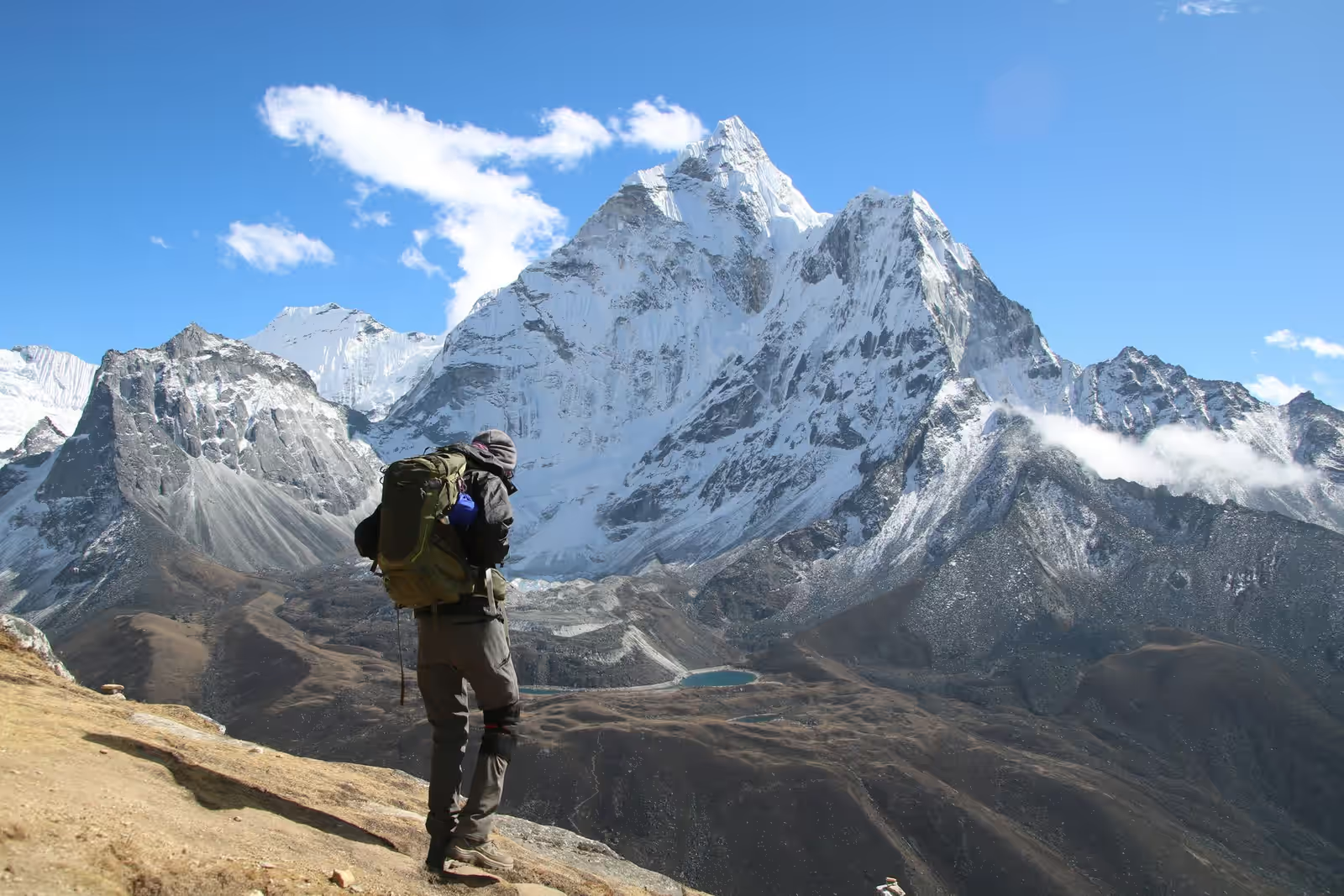
Eighteen days in the Khumbu taking the high circuit rather than the base camp highway.
 Trekking4 routes
United States
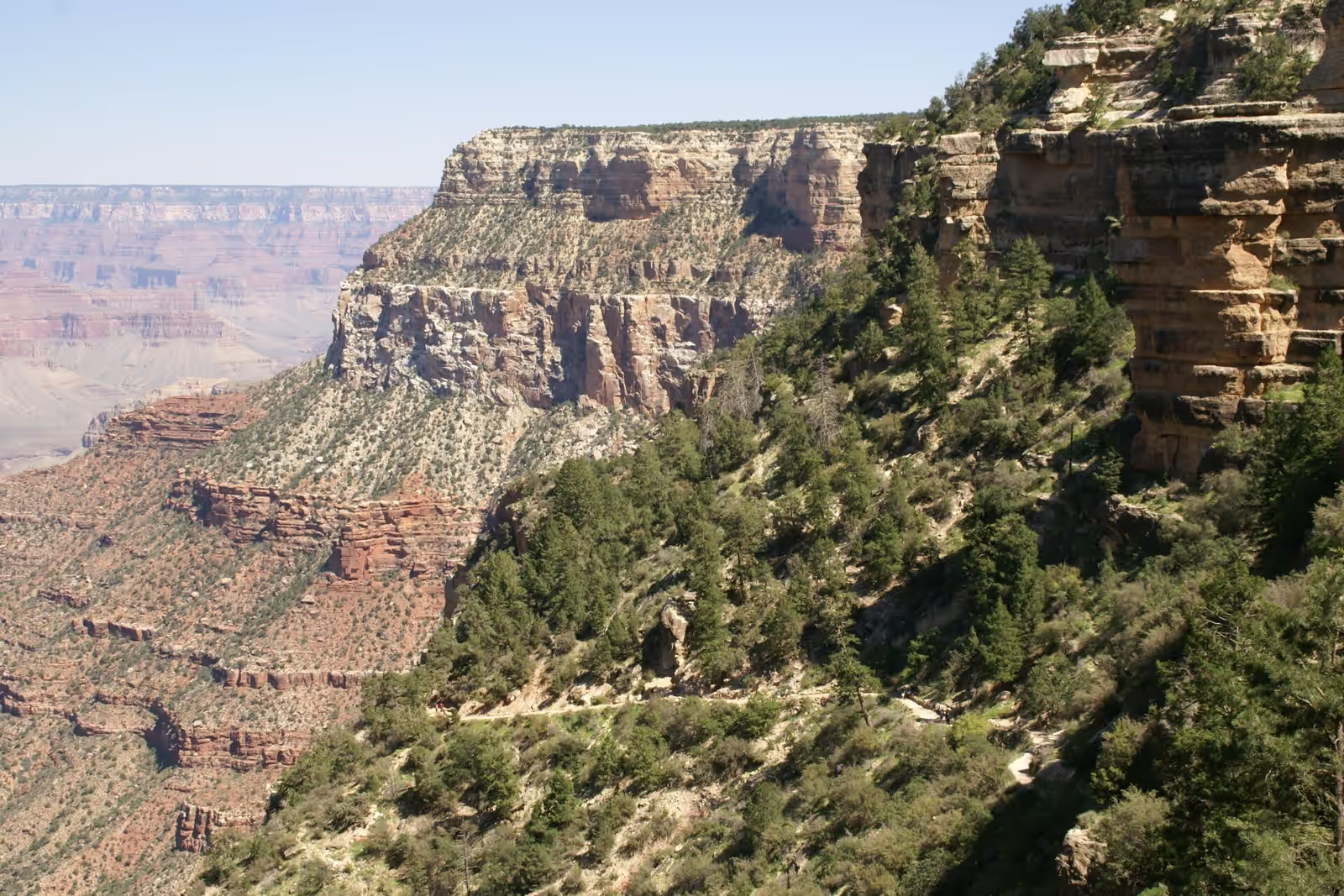
Walking rim to rim across the Grand Canyon, down a mile of rock layers to the Colorado River and up the other side.
A short note when a batch of places worth the trip goes up. No spam, no operators, unsubscribe anytime.