- Length
- Flexible
- Kids
- Teen+
- Cost
- $$$$
- Permit
- Not needed
- Crowd
- Quiet
Ski touring in Lofoten
Norway
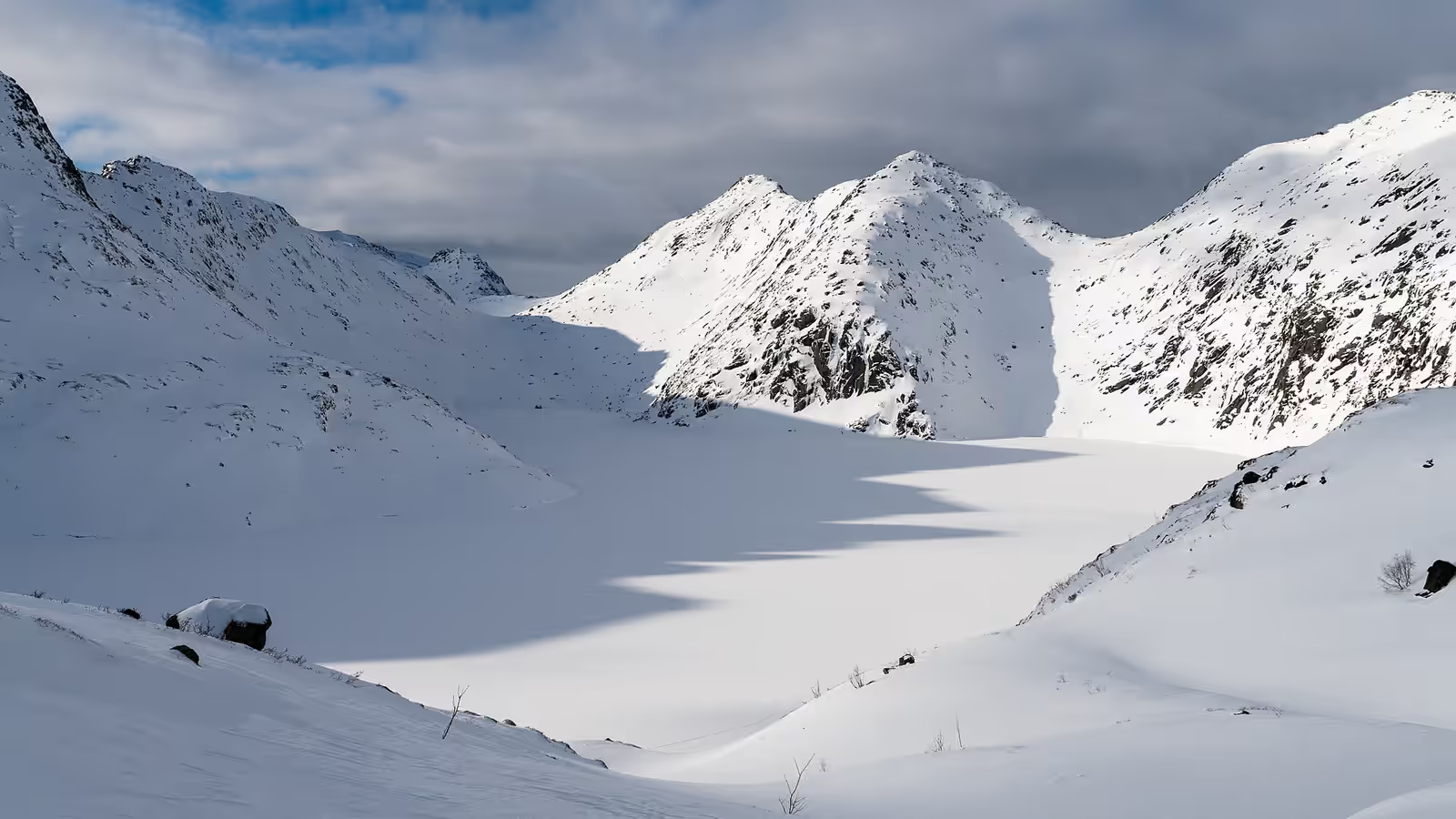
Summit-to-sea descents launched from a boat — skin up from the shoreline, ski back down to it.
Lofoten·Norway
Photo: Gerd Eichmann · Wikimedia · CC BY-SA 4.0
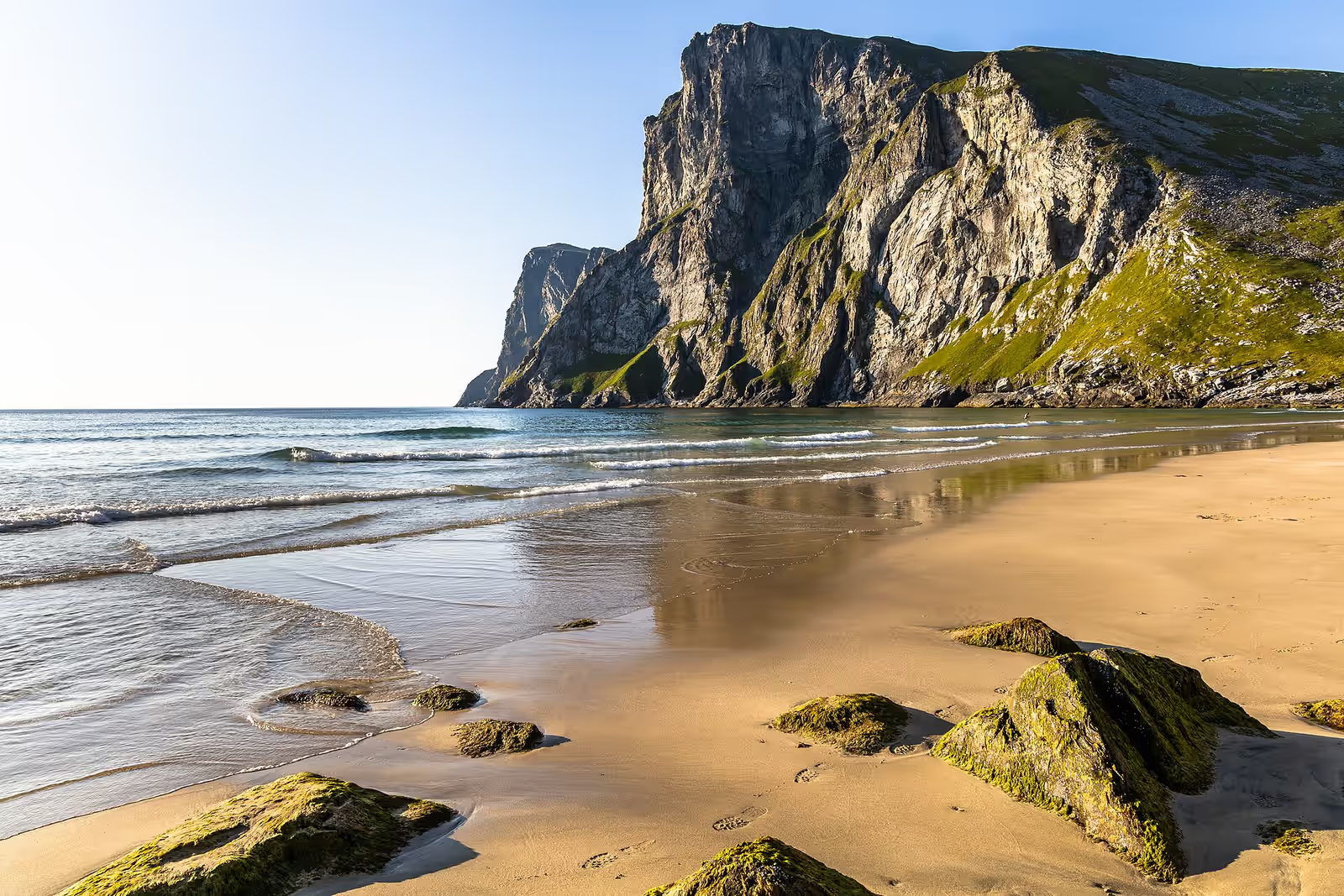
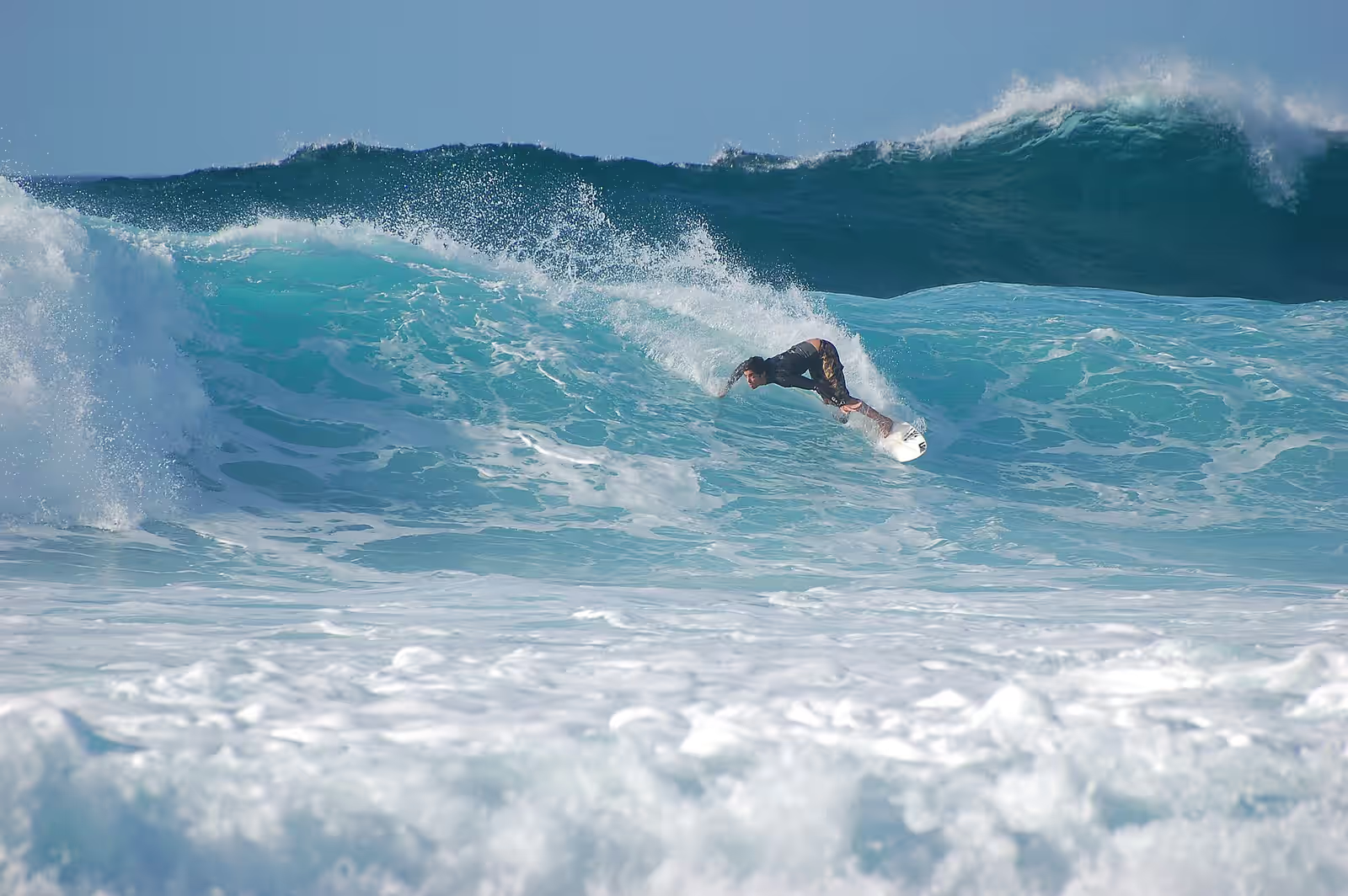
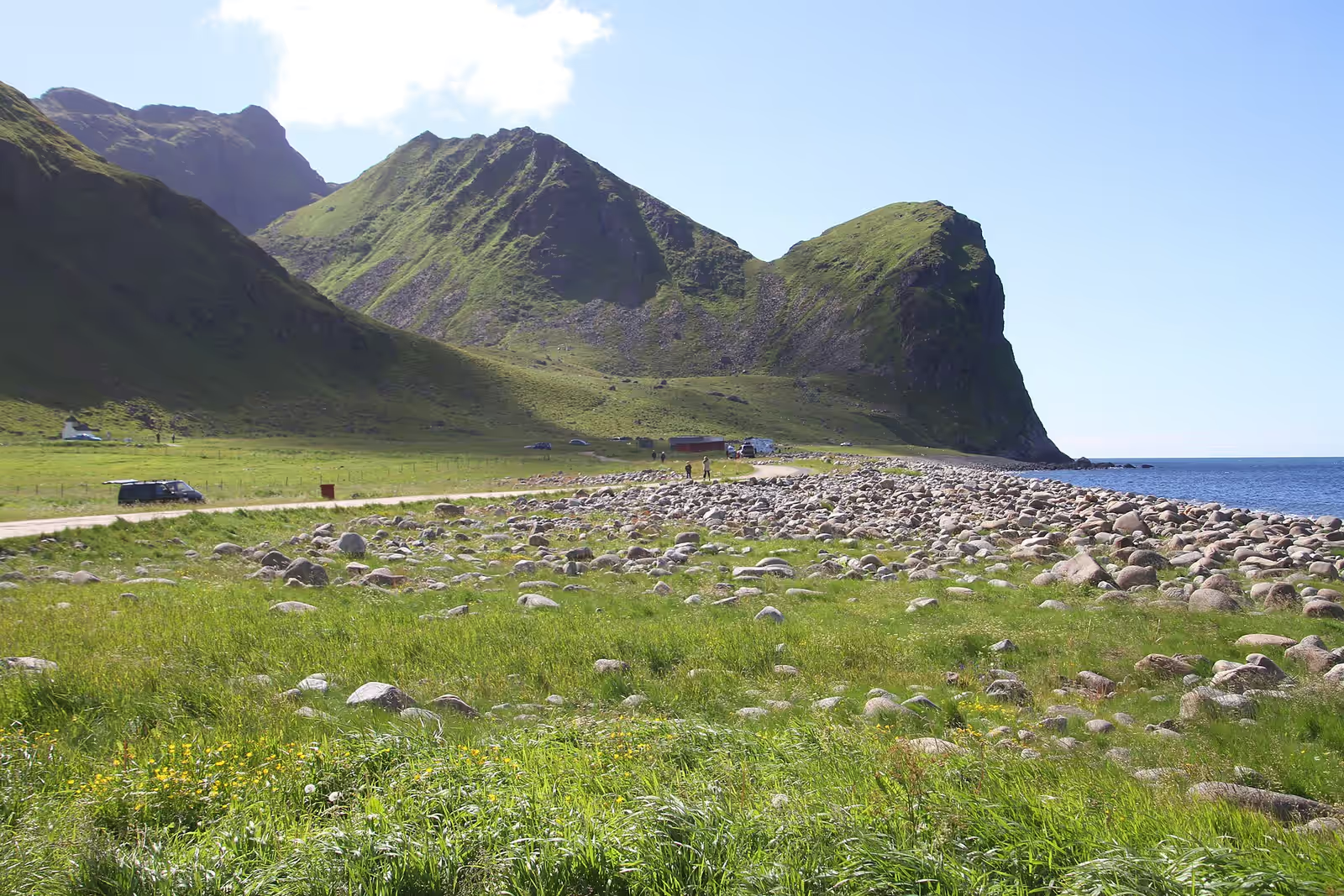
Surfing above the Arctic Circle sounds absurd until you see Unstad — a horseshoe bay on Lofoten's exposed outer coast where clean Atlantic swells peel in beneath snow-dusted peaks.
It is the northernmost established surf break on the planet, warmed just enough by the Gulf Stream to be surfable year-round in a thick wetsuit, and every September it hosts the Lofoten Masters, the world's northernmost surf competition and a joyful gathering of the cold-water tribe.
The appeal is the sheer surreal contrast: paddling out among mountains, sometimes with snow on the beach and the northern lights overhead after dark.
The water is cold and the waves can be powerful, but riding a wave in this Arctic amphitheatre, with granite summits as your backdrop, is one of surfing's most extraordinary experiences.
In season: Sep–Mar
Cold-water surfing on an exposed Atlantic beach break, best from autumn through winter when the swells arrive — which also means short days, air temperatures near or below freezing, and water that demands a thick (5–6 mm) wetsuit with hood, boots and gloves.
The waves at Unstad range from mellow, learner-friendly days to powerful, serious swells, so conditions vary hugely; some days suit beginners taking a lesson, others are for experienced surfers only. Beyond the cold, the hazards are the usual beach-break rips and the remoteness.
You need to be comfortable in cold water and, ideally, an intermediate surfer to make the most of it, though schools do run beginner lessons. The setting — mountains, Arctic light, occasional snow and aurora — is the unforgettable part.
The main swell season is roughly September to March, with September's Lofoten Masters a highlight; summer is quieter and gentler.
Head to Unstad, the hub, where a surf camp and school rent boards and thick cold-water wetsuits (5/6 mm plus hood, boots and gloves are essential) and run lessons for beginners.
Be honest about your level — cold, powerful winter waves are no place to learn, so take a lesson or pick a mellow day if you're new. Dress for genuine cold in and out of the water, and mind the short daylight in winter.
No permit or guide is required for competent surfers, but check the forecast and local advice on conditions, and never surf alone in this remote, cold environment.
Norway
Summit-to-sea descents launched from a boat — skin up from the shoreline, ski back down to it.
Norway
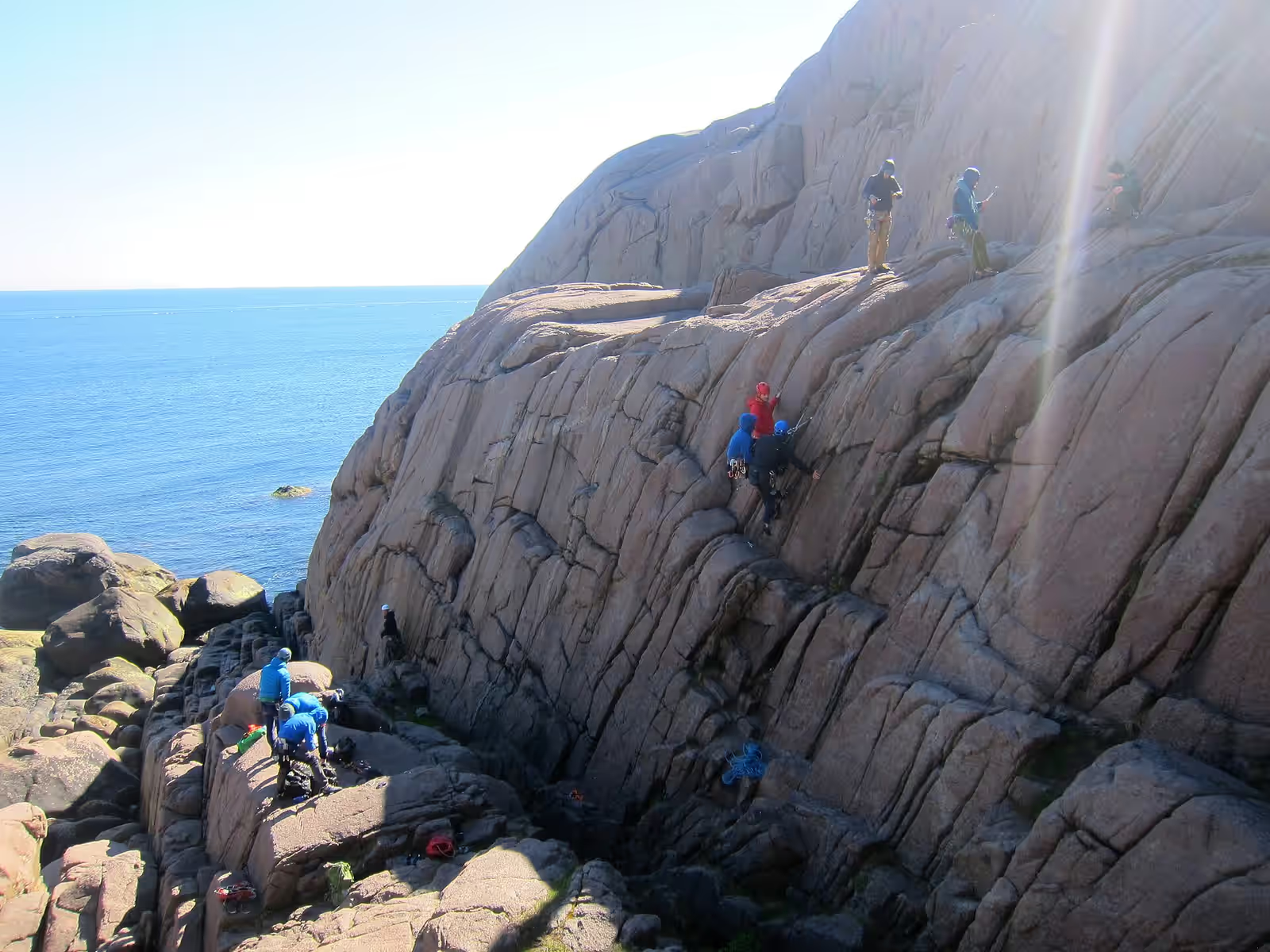
Vestpillaren on Presten and the airy Svolværgeita horn jump — Arctic granite you can climb at midnight.
Norway
Reinebringen's 1,566-step Sherpa staircase to the postcard view over Reine — some 90,000 a year.
Morocco
A point break town with a wave and a school for every level.
SurfingPortugal
Europe's first World Surfing Reserve.
SurfingFrance
La Gravière and the Landes beach breaks — Europe's heaviest, most powerful sand barrels.
A short note when a batch of places worth the trip goes up. No spam, no operators, unsubscribe anytime.