- Length
- Flexible
- Kids
- Kid+
- Cost
- $$$
- Permit
- Not needed
- Crowd
- Busy
Hiking in Dolomites
Italy
Day loops under the Dolomites' limestone towers, including the ten-kilometre Tre Cime circuit that starts at 2,320 m.
Dolomites·Italy
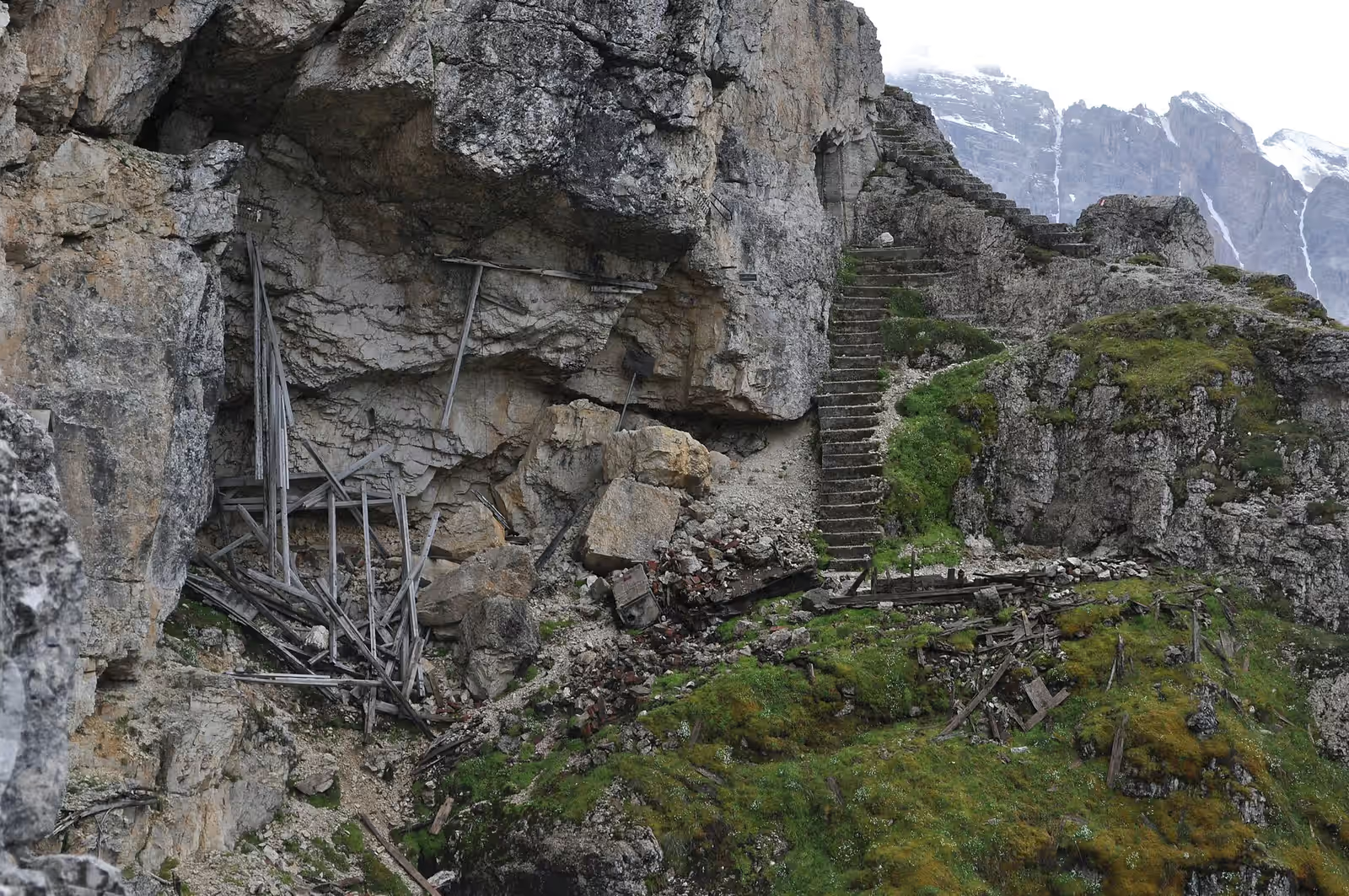
Photo: Murray Foubister · Wikimedia · CC BY-SA 2.0
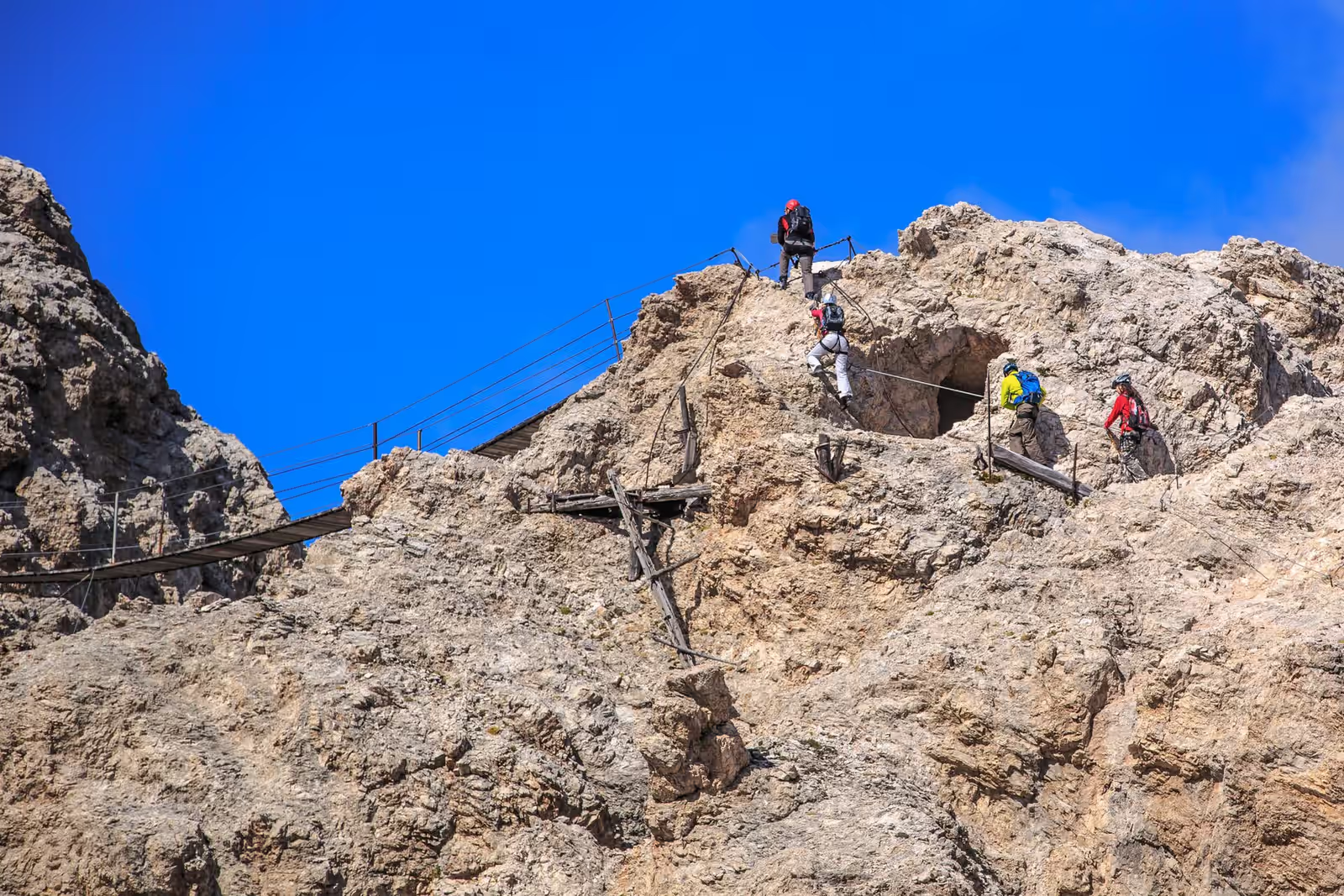
Via ferrata — the 'iron way' — was born in the Dolomites, where routes fixed with cable, rungs and ladders let ordinary mountaineers travel terrain that would otherwise demand rock-climbing skill.
Many of the classic lines follow paths cut by soldiers during the brutal mountain warfare of the First World War, so climbing them is to move through history as well as vertical limestone.
From the exposed ledges of the Brenta to the glaciated flanks of the Marmolada, the region offers the greatest concentration of ferrata anywhere, graded from friendly to ferociously steep.
Clipped to the cable with a shock-absorbing lanyard, you can stand in places that feel utterly out of reach for a walker — spires, notches and airy traverses — with the pale Dolomite peaks glowing around you. It is thrilling, historic and unforgettable.
In season: Jun–Sep
Protected climbing on near-vertical and traversing rock, moving along a fixed steel cable that you clip into with a via-ferrata lanyard, using metal rungs, pegs and ladders plus the rock itself for hands and feet.
Routes range from short, gentle outings to long, strenuous days with big exposure and sustained overhanging sections. You are always attached to the cable, which makes a fall very unlikely, but the drops are real and the effort — especially on the arms — is significant on harder lines.
High routes cross snow patches and demand alpine awareness of weather and rockfall. It is far more accessible than roped climbing yet delivers genuine mountaineering exposure, which is exactly why the Dolomites' iron ways are so beloved.
The ferrata season is roughly mid-June to September, once the high routes are clear of snow. Essential kit is a via-ferrata set (a Y-lanyard with two shock-absorbing karabiners), a climbing helmet and a harness — never improvise these, as a normal sling will not absorb a fall.
If you are new to it, hire a mountain guide or alpine instructor for your first routes; they teach clipping technique and pick lines matched to your level. Start on an easy graded route to learn the movement before attempting the famous hard ones.
Check the forecast and get off the cables well before afternoon storms — lightning on a steel cable is deadly. Bring gloves, water and a head for heights.
Italy
Day loops under the Dolomites' limestone towers, including the ten-kilometre Tre Cime circuit that starts at 2,320 m.
TrekkingItaly
Multi-day hut-to-hut traverses across the Dolomites, sleeping in rifugi with a view most hotels cannot buy.
SkiingItaly
The only lift-linked circumnavigation of its kind, and the anchor of the Dolomiti Superski network.
A short note when a batch of places worth the trip goes up. No spam, no operators, unsubscribe anytime.