Ski touring- Duration
- 7 days
- Kids
- Teen+
- Cost
- $$$$
- Permit
- Not needed
- Crowd
- Steady
Ski touring in Hokkaido
Japan
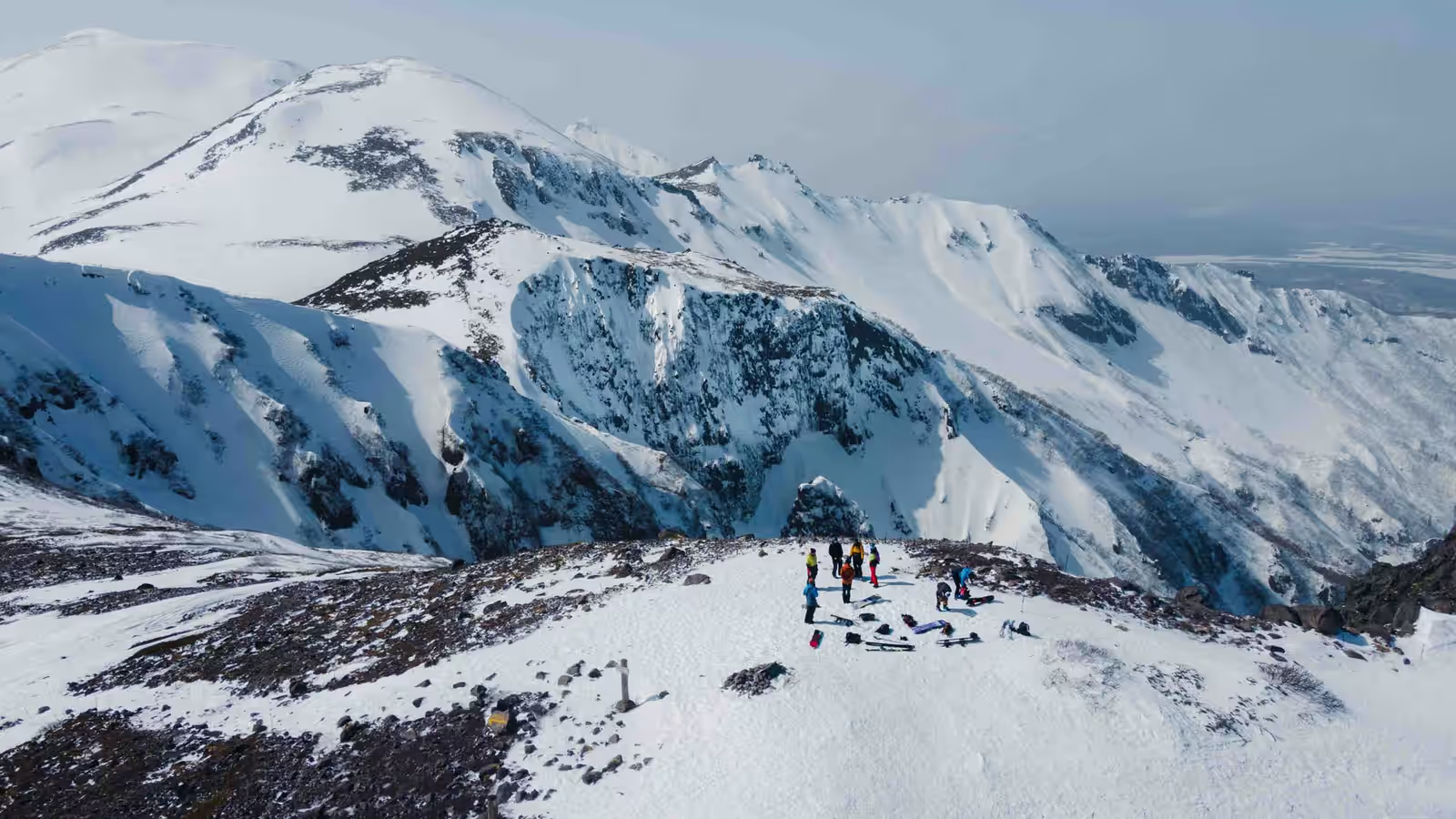
A week timed to Siberian storms that drop fifteen metres of the lightest snow on earth over a season.
Hokkaido·Japan

Photo: Yasu (talk) · Wikimedia · CC BY-SA 3.0
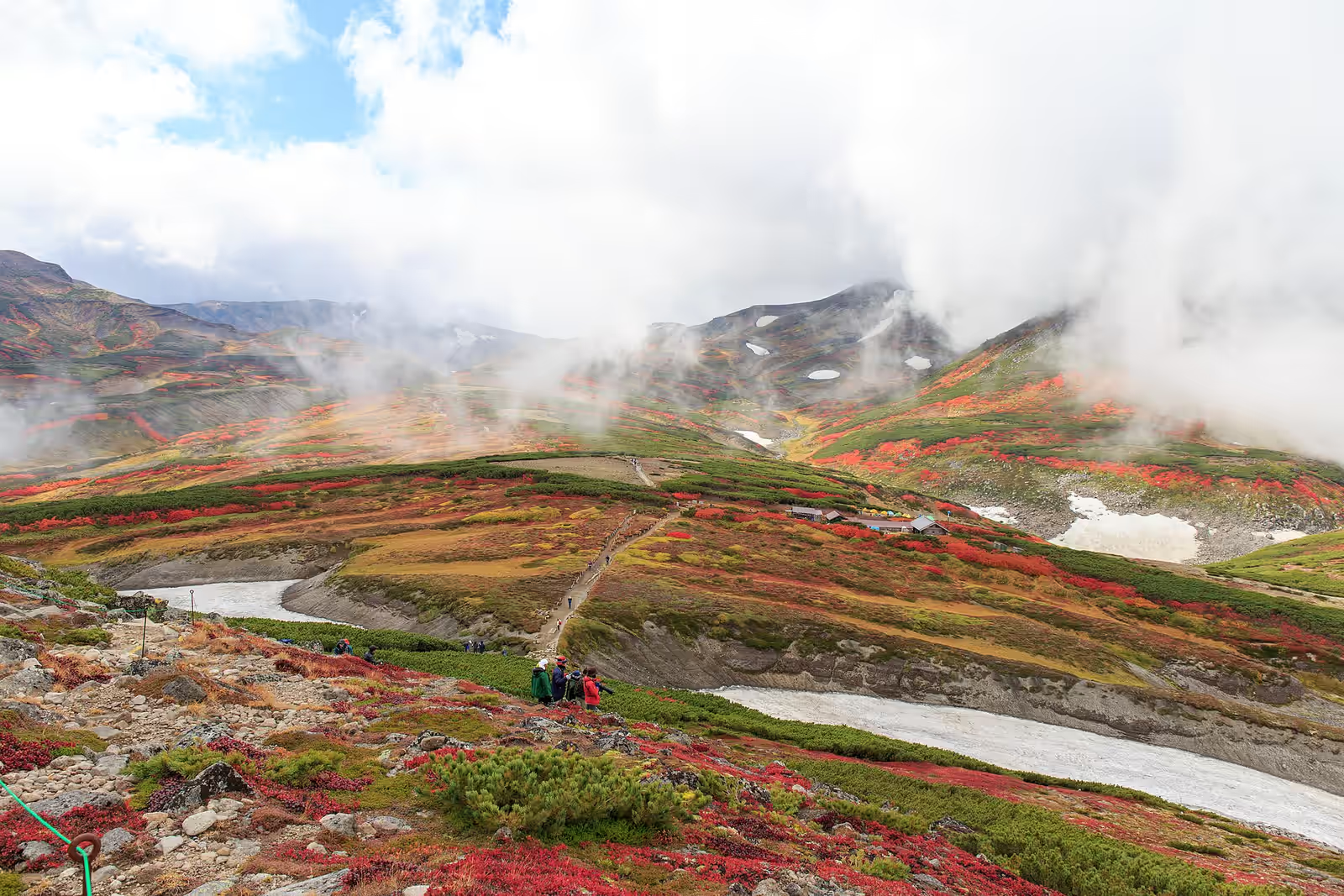
Daisetsuzan is the emptiest corner of Japan — a high volcanic plateau of steaming vents, alpine tundra and lingering snowfields that Ainu tradition calls the playground of the gods. The grand traverse crosses it in the best part of a week, linking the major peaks across sixty-odd kilometres of trail with no villages and only basic, unstaffed emergency huts. You carry everything.
And you carry it in bear country: this is some of the most densely brown-bear-populated terrain in Japan, where bells and proper food storage are not optional. The landscape is a strange composite — part Iceland, part Siberia, part Scottish Highlands — and in September, weeks before anywhere else in the country, the whole plateau turns red and gold.
The emergency huts have no food or bedding, so full self-sufficiency is the price of entry. Go in late summer or very early autumn, carry proper bear precautions, and treat the weather up here as the serious variable it genuinely is.
In season: Jul–Sep
The emptiest corner of Japan — a high volcanic plateau of steaming vents, alpine tundra and lingering snowfields that Ainu tradition calls the playground of the gods.
The grand traverse crosses it in the best part of a week, linking the major peaks across sixty-odd kilometres of trail with no villages and only basic, unstaffed emergency huts, so you carry everything.
And you carry it in bear country — some of the most densely brown-bear-populated terrain in Japan, where bells and proper food storage are not optional.
The landscape is a strange composite of Iceland, Siberia and the Scottish Highlands, and in September, weeks before anywhere else in Japan, the plateau turns red and gold.
Tundra ponds and autumn colour, the easiest real day here
The popular day crossing between the two ropeways
Active volcanoes at the southern end, steam and bare rock
Six days across the volcanic plateau, fully self-supported
Go fully self-sufficient: the emergency huts have no food, no bedding and no staff, so carry a tent or bag, stove, and all your food for the traverse. The season is late summer to early autumn, July to September, with mid-to-late September for the colours.
Carry proper bear precautions — a bell and a bear-proof way to store food — throughout. This is advanced-to-expert terrain with real navigation and weather exposure on the high plateau, so come experienced and watch the forecast closely. Access the plateau via Asahidake or Sōunkyō and their ropeways.
Treat the weather up here as the serious variable it is.
Ski touringJapan
A week timed to Siberian storms that drop fifteen metres of the lightest snow on earth over a season.
Ski touringJapan
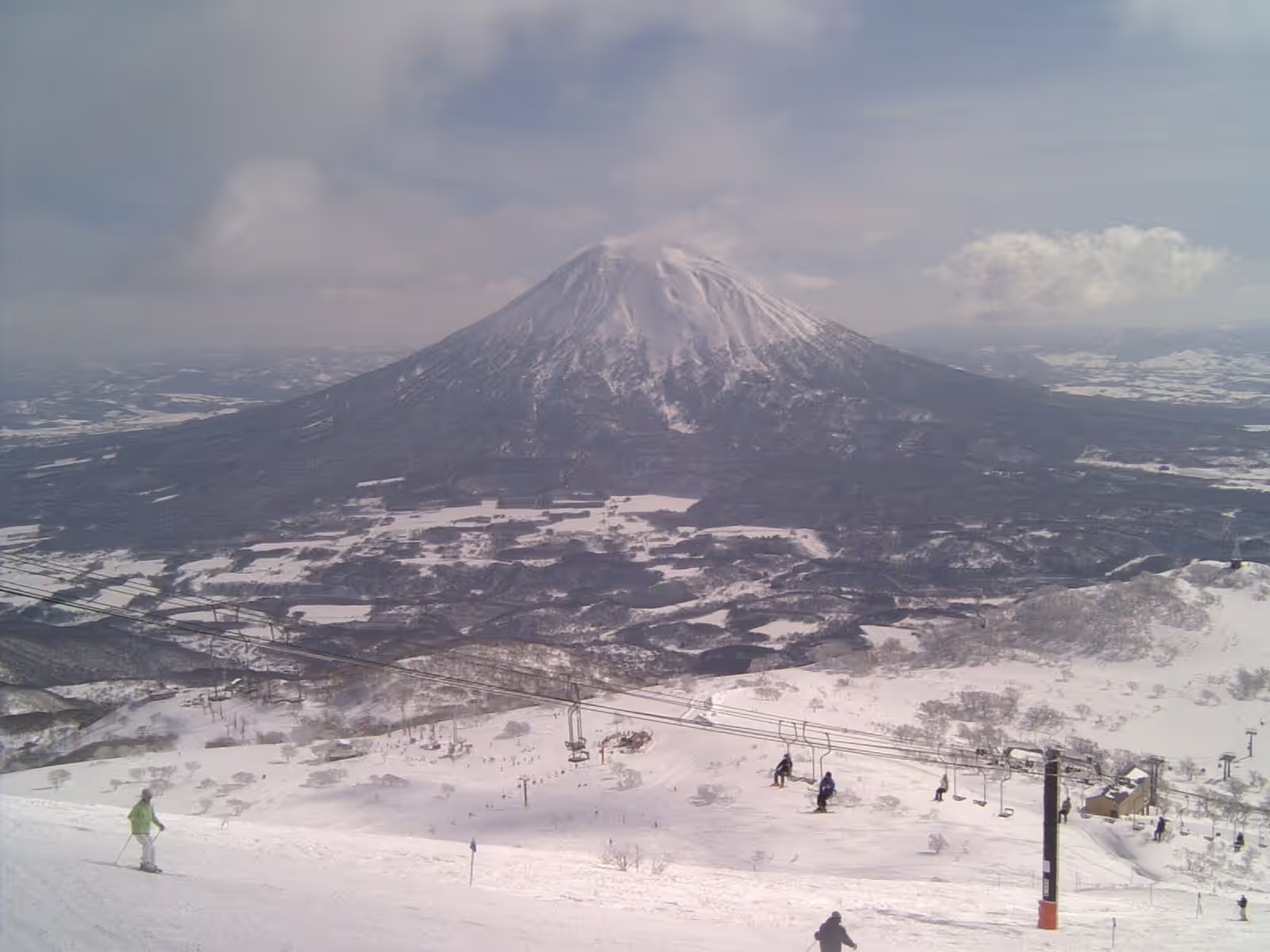
Three days climbing Hokkaido's perfect volcanic cone on skins, then dropping into the crater itself.
Ice walkingJapan
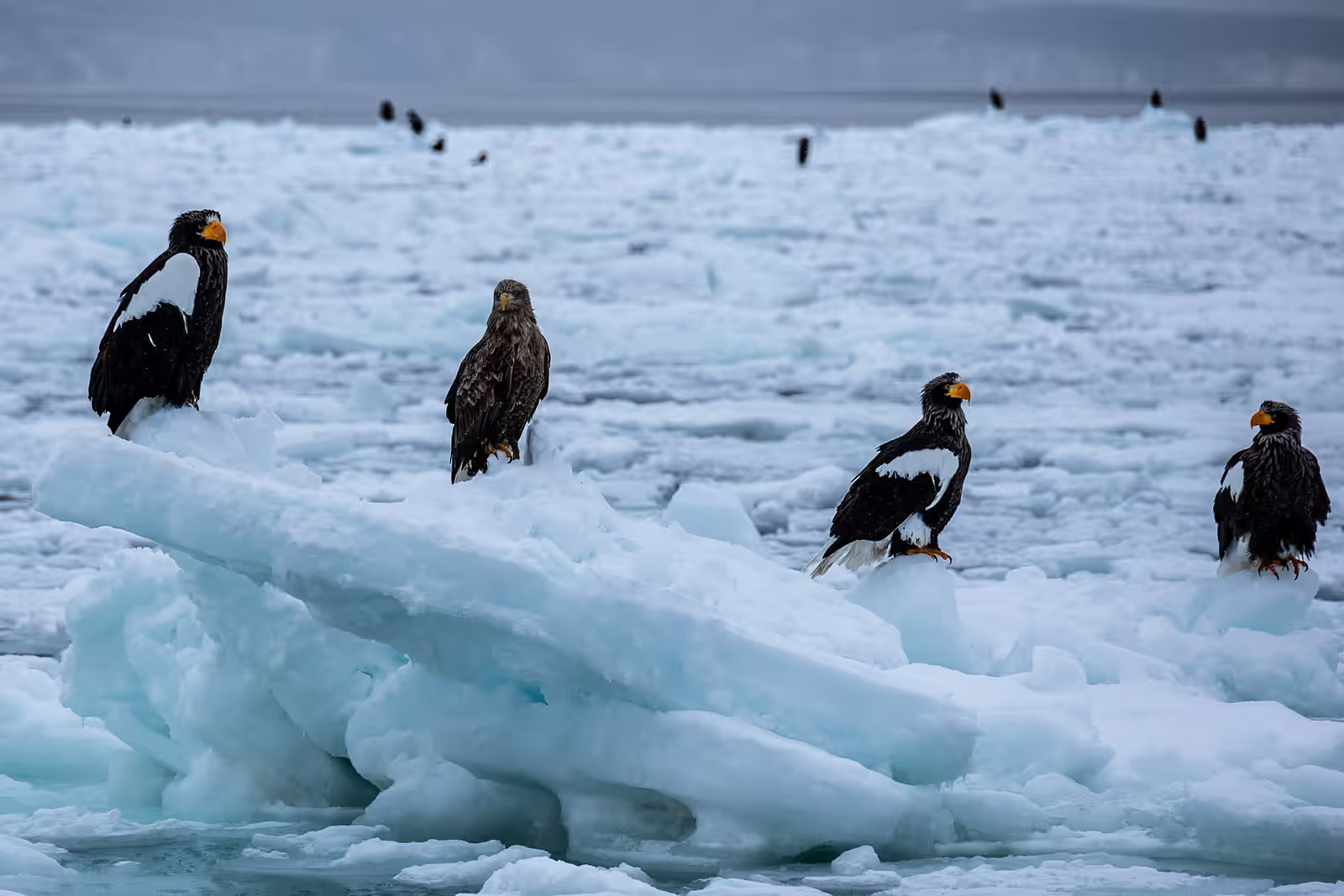
Four days on the Sea of Okhotsk in February, walking and floating on pack ice that arrived from Siberia.
TrekkingNorway
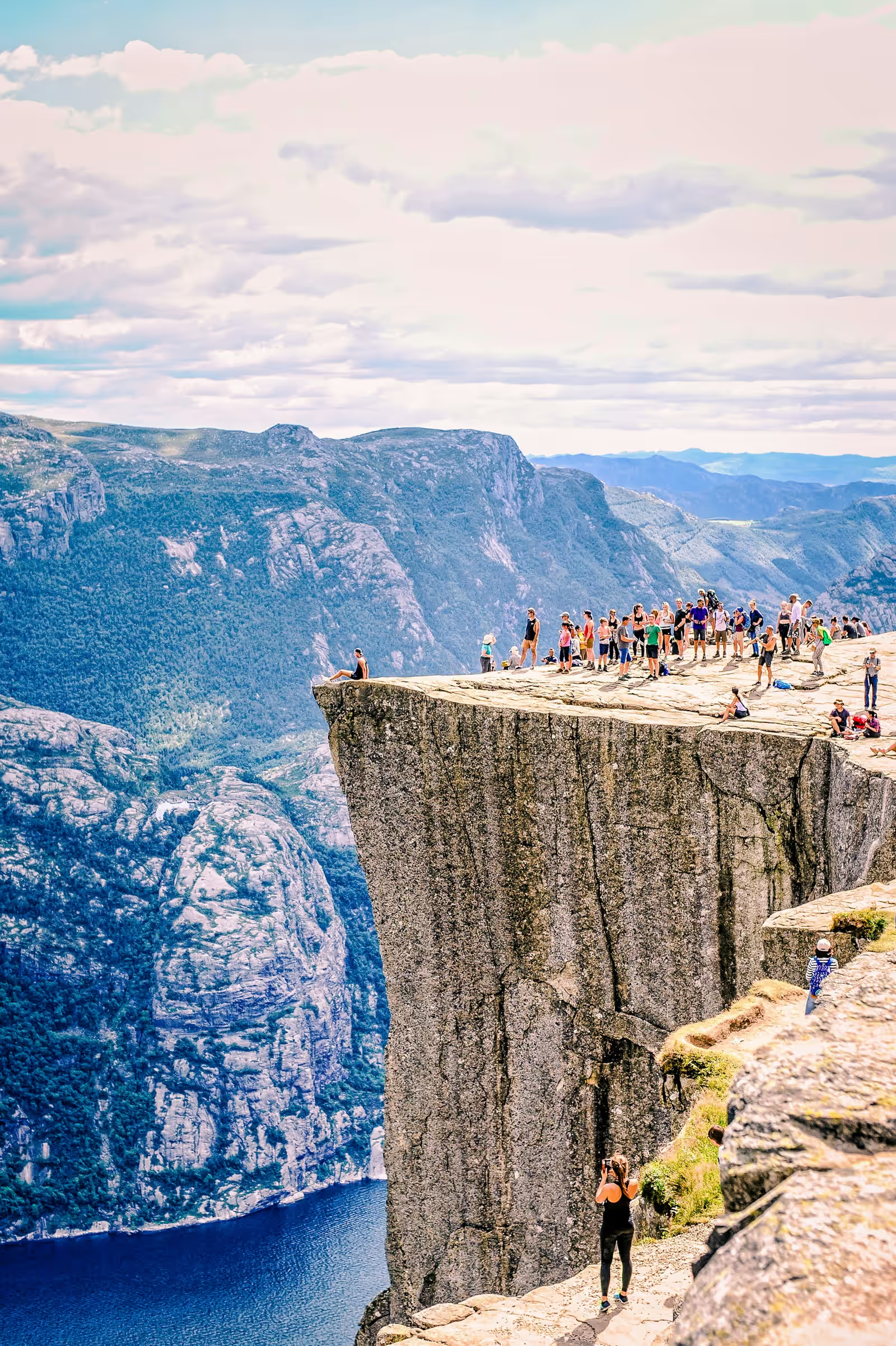
The single most photographed viewpoint in Norway.
Trekking4 routesNepal
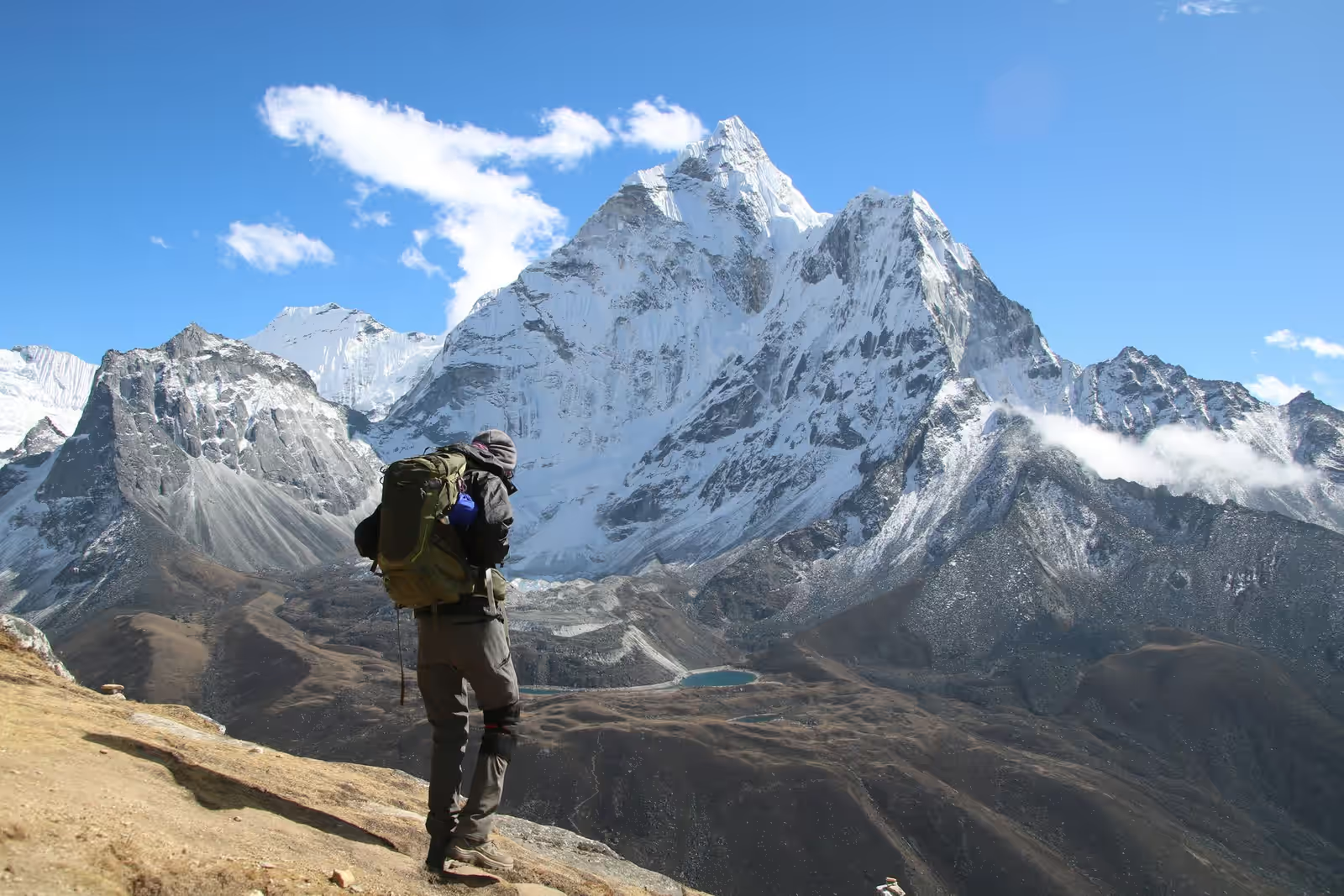
Eighteen days in the Khumbu taking the high circuit rather than the base camp highway.
Trekking4 routesUnited States
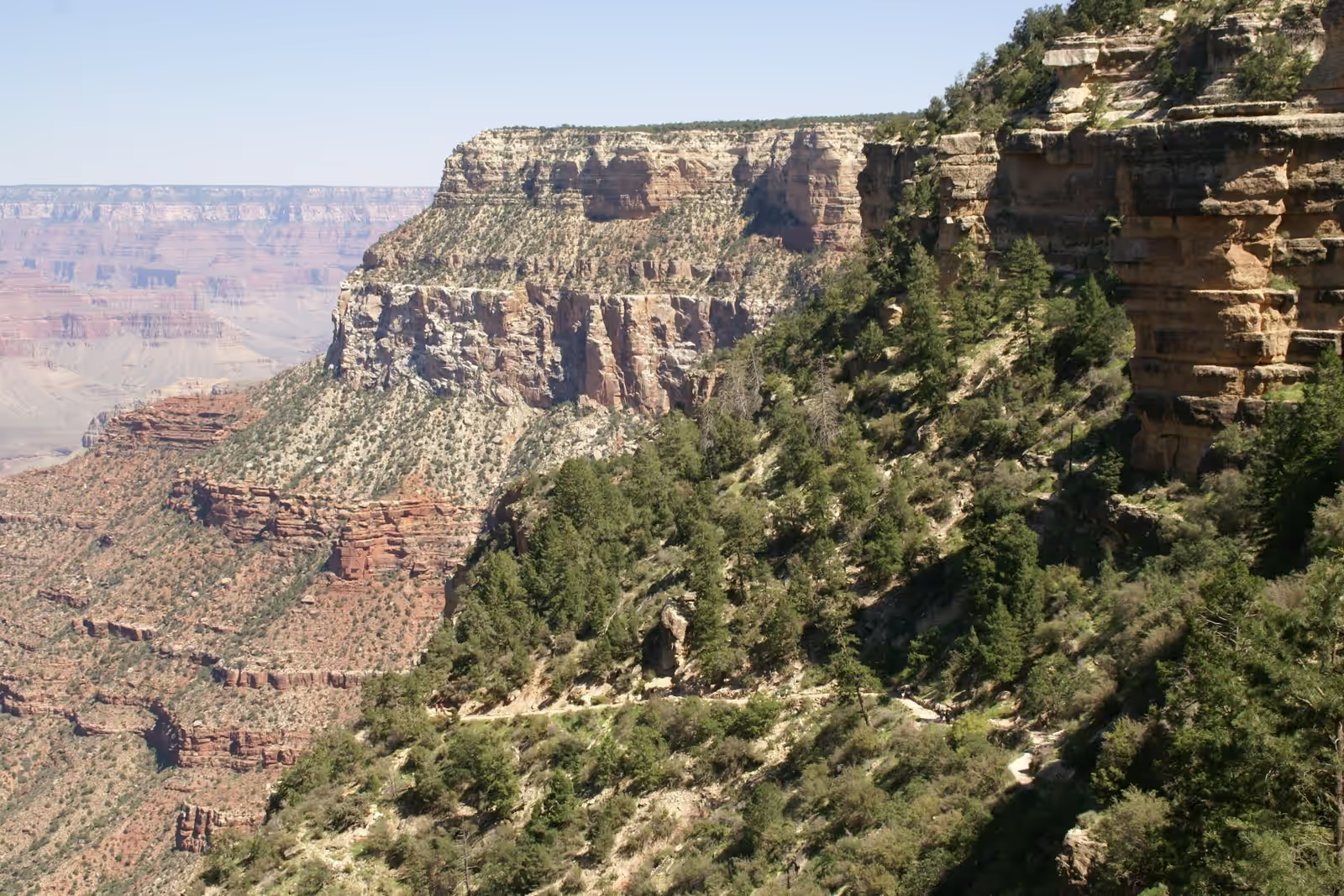
Walking rim to rim across the Grand Canyon, down a mile of rock layers to the Colorado River and up the other side.
A short note when a batch of places worth the trip goes up. No spam, no operators, unsubscribe anytime.