Skip to content
Getaway

Walking in Nakasendo

Chubu·Japan

Walking in Nakasendo

Photo: takami torao (Koiroha (talk) 14:55, 9 December 2009 (UTC)) · Wikimedia · Public domain

Epic~11 days

Why go

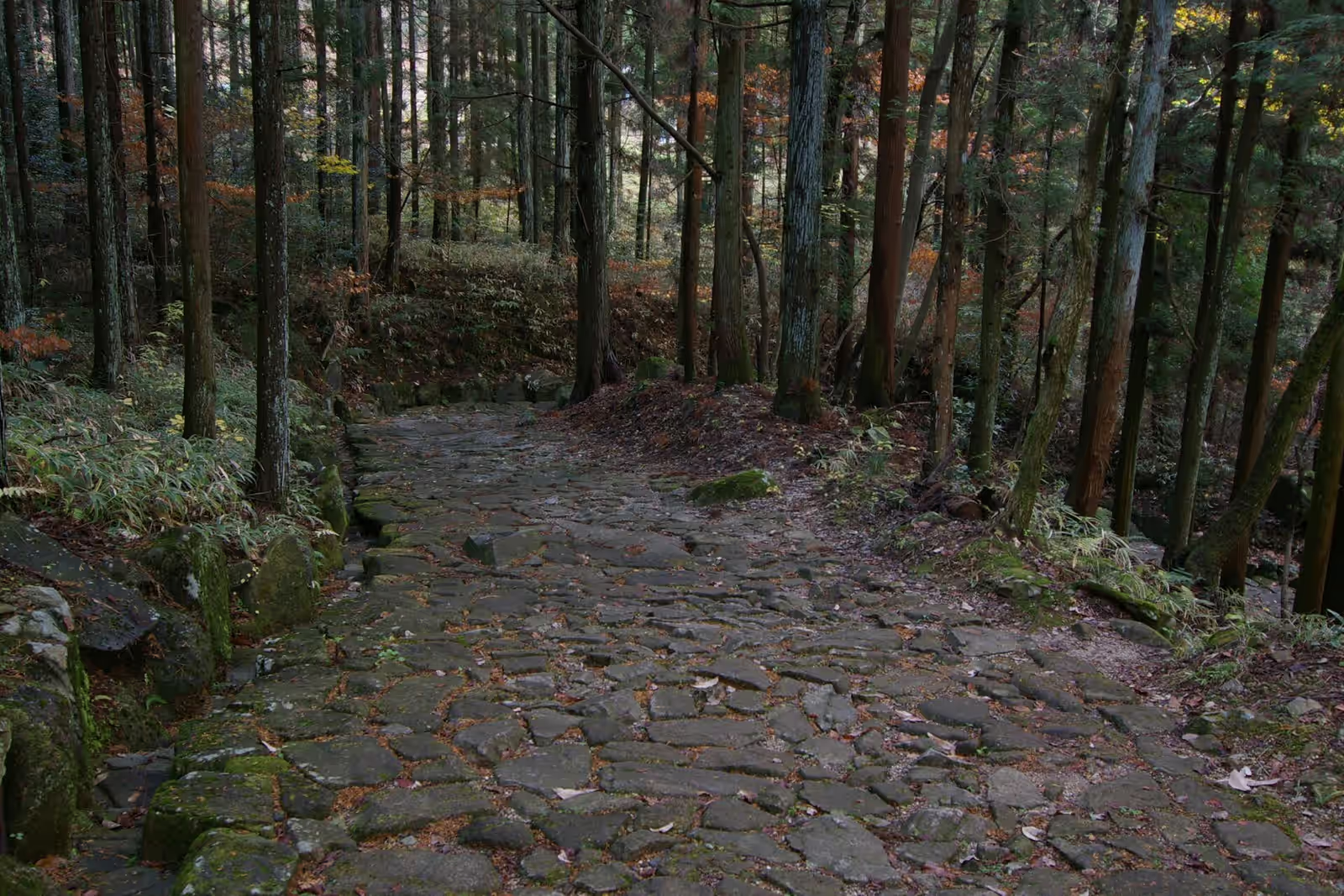
The Nakasendo was the inland highway that samurai, merchants and messengers walked between Edo and Kyoto, and stretches of it survive almost untouched. Much of the full route is now tarmac, but the Kiso Valley section runs on original stone paving through post towns — Magome, Tsumago, Narai — that look very nearly as they did two hundred years ago, and staying in a centuries-old inn at the end of a walking day is the entire point.

The appeal is gentle and civilised: forest paths between preserved wooden towns, cedar-lined passes, and ryokan dinners where the walking earns the hot bath. It is far less demanding than the mountain pilgrim trails, which makes it a rare long walk in Japan that suits mixed ability and even teenagers.

Be honest about the modern sections — many walkers do the preserved Kiso Valley stretch on foot and train past the urban parts, which is no cheat. Spring and autumn are loveliest; book the old inns ahead in peak weeks.
When

In season: Apr–May, Oct–Nov

Who it’s for

Skill
Intermediate–Advanced
Effort
Moderate
Suitable from
13+ · Teen+
Crowds
Steady
Cost
$$$

Walking specifics

Distance
534 km
Surface
mixed original paving and road
Post towns
69
Best section
Kiso Valley, Magome to Narai
Accommodation
ryokan and minshuku

What to expect

The Nakasendo was the inland highway samurai, merchants and messengers walked between Edo and Kyoto, and stretches survive almost untouched.

Much of the full route is now tarmac, but the Kiso Valley section runs on original stone paving through post towns — Magome, Tsumago, Narai — that look very nearly as they did two hundred years ago, and staying in a centuries-old inn at the end of a walking day is the whole point.

The appeal is gentle and civilised: forest paths between preserved wooden towns, cedar-lined passes, and ryokan dinners where the walking earns the hot bath. It is far less demanding than the mountain pilgrim trails.

How to start

Be honest about the modern sections — many walkers do the preserved Kiso Valley stretch on foot and take the train past the urban parts, which is no cheat and makes for a far better trip.

Walk in spring or autumn, loveliest for the passes, and book the old ryokan and minshuku ahead in peak weeks, as they are small. It suits mixed ability and even teenagers, so no special skill is needed beyond walking fitness.

The Kiso Valley is well served by train, making it easy to string preserved sections together. Carry a day pack; some inns arrange luggage forwarding between towns.

What else is in Chubu

Walking elsewhere

Good to know

Who it's for
Teenagers and up. Skill: intermediate to advanced.
How long
11 days on the ground, excluding travel.
Permits and guides
No permit and no guide required. Turn up and go.
When to go
Best months: Apr, May, Oct, Nov.

New adventures, now and then

A short note when a batch of places worth the trip goes up. No spam, no operators, unsubscribe anytime.